
Space Coast new construction market: prices, trends, guides & homes as of October 2026
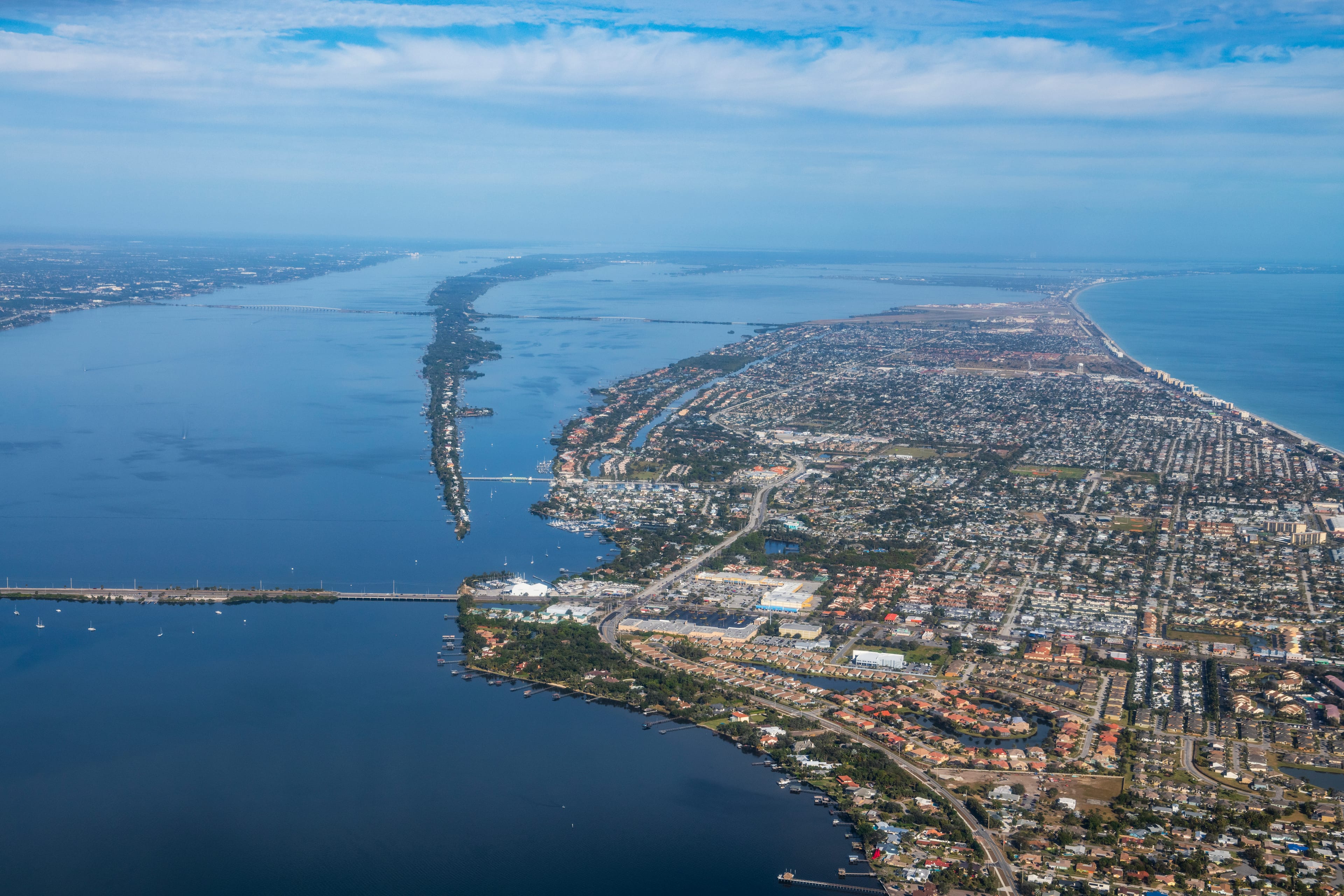
How much does a new home in Space Coast cost?
How are new home prices changing in Space Coast, FL?
Home price data reflects current listings in Space Coast, Florida, sourced from Jome and updated regularly
*Based on Jome markets

Get free consultation with Space Coast expert
Get a free, no-pressure consultation with our top Space Coast new-construction expert. They know every major builder, the best deals and incentives, and exactly what's happening in the local new-construction market.
Space Coast market overview
- Overall inventory873
- Single-family inventory816
- Townhouse inventory44
- Condo inventory9
- Multi-family inventory2
- Penthouse inventory0
- 1 bed inventory0
- 2 beds inventory38
- 3 beds inventory383
- 4+ beds inventory451
- Median home price$373,819
- Median sqft price$195.23
- Median 1 bed price$0
- Median 2 beds price$329,950
- Median 3 beds price$344,552.5
- Median 4+ beds price$391,010.5
- Min listing price$239,577
- Max listing price$2,695,000
- Min community price$239,577
- Max community price$996,950
Space Coast median price change
| Month | Median price | Change |
|---|---|---|
| October 2025 | $371,533 | - |
| November 2025 | $372,750 | +0.33% |
| December 2025 | $370,059.5 | -0.72% |
| January 2026 | $374,900 | +1.31% |
| February 2026 | $375,000 | +0.03% |
| March 2026 | $369,000 | -1.60% |
What are the most popular buyers' searches?
What it's like to live in Space Coast?
The Space Coast operates as Florida's aerospace and defense hub, where Kennedy Space Center and Cape Canaveral Space Force Station anchor an economy that literally launches rockets into space, where defense contractors including SpaceX, Blue Origin, Boeing, Lockheed Martin, and Northrop Grumman employ thousands of engineers and technicians earning $85,000 to $160,000 supporting America's space program and commercial launch industry, where Patrick Space Force Base provides military stability, and where the combination creates a unique economy mixing high-tech aerospace employment with beach tourism, retiree settlement, and service industries serving the region's 600,000 residents.
The metro spanning Brevard County along Florida's Atlantic coast from Titusville south through Melbourne and Palm Bay has experienced substantial growth over the past decade as SpaceX's massive expansion transformed the region's aerospace industry from declining Space Shuttle-era employment to a booming commercial space sector that added thousands of high-wage jobs, while retirees from the Northeast and Midwest discovered 72 miles of Atlantic beaches offering year-round warmth at costs running 30% to 40% below South Florida alternatives. However, this growth combined with pandemic-era migration has driven appreciation of 35% to 50% from 2020 to 2024 in many submarkets, transforming the Space Coast from Florida's affordable beach alternative into an increasingly expensive market where quality new construction ranges from $380,000 to $580,000 in desirable coastal and suburban locations, where Florida's insurance crisis creates annual property premiums of $4,500 to $9,000 plus mandatory flood insurance adding another $2,000 to $6,000 for many properties, and where traffic on US-1 and I-95 has worsened substantially as infrastructure struggles to accommodate growth. The common thread is the Space Coast's position as the technical Florida alternative, where aerospace engineers purchase homes on salaries impossible to afford in California's aerospace centers, where military families at Patrick Space Force Base discover beach access and moderate costs compared to other coastal installations, where retirees find Atlantic beach living without Miami's chaos or prices, and where the trade-offs involve accepting hurricane risk that materialized through direct hits including Frances and Jeanne in 2004, Matthew in 2016, and Irma in 2017, embracing small-city character with limited cultural amenities beyond what space launches and beach lifestyle provide, and recognizing that the Space Coast's economy depends heavily on federal NASA budgets and defense spending that can fluctuate with political cycles.
Why the space program and defense contractors create unique high-tech employment
Kennedy Space Center and Cape Canaveral Space Force Station represent the Space Coast's economic foundation, creating aerospace employment density unmatched outside of California's Vandenberg and Houston's NASA Johnson Space Center. However, the character has transformed dramatically over the past decade from the NASA-dominated Space Shuttle era to the current commercial space boom led by SpaceX. The Space Shuttle program's 2011 end devastated the region, with thousands of aerospace workers facing layoffs as the shuttle workforce contracted from roughly 15,000 at peak to a fraction maintaining legacy systems and preparing for future programs. The region faced genuine economic crisis as engineers, technicians, and skilled workers either left for other aerospace centers or struggled through years of reduced opportunities.
SpaceX's decision to establish major operations at Cape Canaveral transformed this trajectory entirely. The company now employs approximately 3,000-plus workers in Florida supporting Falcon 9 and Falcon Heavy launch operations, Starlink satellite deployment, Dragon spacecraft operations, and development programs. SpaceX positions pay competitively—aerospace engineers earn $95,000 to $160,000 depending on experience and specialization, propulsion engineers and vehicle integration specialists earn $100,000 to $170,000, technicians earn $65,000 to $95,000, and production workers earn $50,000 to $75,000. The work involves intense schedules when launches approach, with engineers and technicians working extended hours during integration campaigns and launch windows, but the excitement of participating in cutting-edge space technology and witnessing launches regularly attracts workers who embrace the mission over pure compensation maximization. SpaceX's rapid launch cadence—sometimes multiple launches monthly from the Space Coast—creates constant operational tempo and employment stability.
Blue Origin established presence developing the New Glenn heavy-lift rocket at Exploration Park near Kennedy Space Center, employing several hundred workers in engineering, manufacturing, and launch operations with plans to expand substantially as New Glenn approaches first flight. The company pays competitively with other aerospace firms—engineers earn $90,000 to $155,000, with positions requiring security clearances commanding premiums.
Boeing, Lockheed Martin, and Northrop Grumman maintain substantial Space Coast operations supporting various NASA programs, military space missions, and commercial activities. United Launch Alliance (Boeing-Lockheed joint venture) conducts Atlas V and Vulcan launches from the Space Coast, employing engineers, launch controllers, and technical staff earning $85,000 to $150,000. Northrop Grumman supports various programs including solid rocket motors. These legacy aerospace giants offer more traditional corporate employment compared to SpaceX's startup intensity—better work-life balance, established processes, and comprehensive benefits packages, though typically with somewhat lower absolute compensation and less cutting-edge excitement.
NASA Kennedy Space Center itself employs approximately 2,000 civil servants plus thousands of contractors supporting Artemis lunar program, Commercial Crew operations, launch facilities management, and various space exploration initiatives. NASA civil service positions pay $75,000 to $145,000 depending on grade level and position, with job security and federal benefits including pensions creating attractive total compensation packages despite lower cash salaries than private aerospace. The work involves supporting America's space exploration goals, providing mission satisfaction that money can't replicate. NASA contractor positions through companies including Jacobs, ASRC Federal, and others employ thousands more in technical support, facility operations, and engineering roles paying $60,000 to $120,000 depending on specialization.
Patrick Space Force Base provides military employment stability through the 45th Space Wing (recently redesignated 45th Space Delta) responsible for launch support and Eastern Range operations, plus various other military units. The base employs approximately 9,000 military and civilian personnel including Air Force and Space Force members, defense contractors, and Department of Defense civilians. Military personnel range from junior enlisted earning $30,000 to $45,000 in base pay plus housing allowances to field-grade officers earning $90,000 to $120,000, while civilian employees and contractors earn $55,000 to $115,000 depending on positions and security clearance levels. Patrick's mission supporting all space launches from the Eastern Range creates stable employment that continues regardless of which companies or agencies conduct launches. The military presence generates economic activity beyond direct employment, with defense contractors supporting various programs and military families creating housing demand throughout the region.
The aerospace concentration creates an economy where engineers, technicians, and skilled workers earn solid middle-class to upper-middle-class incomes allowing comfortable lifestyles, purchasing new homes from $380,000 to $580,000 in desirable coastal suburbs and established areas throughout the county. However, the dependence on federal budgets and space program funding creates vulnerability—when Space Shuttle ended, the region experienced genuine economic distress. The current commercial space boom provides more diversification than NASA-only dependence, but sustained growth requires continued federal support for NASA programs, military space spending, and commercial launch demand supporting multiple companies.
Healthcare employment through Holmes Regional Medical Center in Melbourne (Steward Health Care's Florida flagship), Parrish Medical Center in Titusville, and various other facilities employs thousands of nurses, physicians, medical technicians, and administrators serving Brevard County and surrounding regions. Nurses earn $64,000 to $92,000, allowing comfortable homeownership particularly for dual-nurse households. Physicians earn $185,000 to $400,000 depending on specialty, finding the Space Coast allows excellent lifestyles with beach access and costs well below South Florida despite Florida's insurance challenges.
The tourism economy built around beaches, Kennedy Space Center Visitor Complex (attracting 1.7 million annual visitors), Port Canaveral (major cruise port and second-busiest in the world by passenger count), and coastal recreation employs thousands in hospitality, restaurants, and service positions paying $28,000 to $55,000. Cocoa Beach in particular concentrates tourism employment with hotels, restaurants, surf shops, and beach-related businesses. However, tourism workers face increasing affordability challenges as home prices appreciated beyond service industry wages.
The tax structure delivers Florida's zero state income tax, creating savings of $4,000 to $10,000 annually for aerospace engineer and defense contractor households earning $90,000 to $160,000—meaningful amounts that make Florida aerospace employment attractive versus California alternatives. Property taxes in Brevard County run approximately 0.95% to 1.10% of assessed value, lower than South Florida and many other regions. Florida's Save Our Homes caps assessment increases at 3% annually for homesteaded properties.
The cost of living has increased substantially but remains moderate relative to South Florida or major metros. Quality new construction ranges from $380,000 to $580,000 in desirable areas including Viera (master-planned community in central Brevard offering amenities and newer development), Melbourne suburbs, Satellite Beach and beachside communities, and Suntree (established master-planned community). Premium beachfront properties command $650,000 to $1.2 million-plus. The appreciation has been substantial—35% to 50% from 2020 to 2024 in many submarkets—creating wealth for existing owners while pricing out many working-class buyers. However, the Space Coast still offers better value than Tampa or Orlando, making it attractive for relocators seeking Florida coastal living without South Florida's extreme costs.
The climate delivers year-round warmth with genuine beach access along 72 miles of Atlantic coastline. Temperatures remain above 60 degrees most winter days, with occasional cool snaps bringing 40s but rarely freezing. Summer heat and humidity from May through October create conditions typical of coastal Florida, with afternoon sea breezes providing relief compared to inland areas. Afternoon thunderstorms develop regularly during summer months. Hurricane season from June through November creates serious risk that has materialized repeatedly—Hurricanes Frances and Jeanne in 2004 (hitting within three weeks), Hurricane Matthew's 2016 near-miss, and Hurricane Irma's 2017 impacts demonstrated the Space Coast's Atlantic exposure. The combination of hurricane risk and Florida's insurance crisis creates the most significant housing cost challenge beyond purchase prices.
Understanding the Space Coast by buyer profile and aerospace culture
The Space Coast's aerospace concentration, military presence, beach access, and moderate costs relative to other Florida coastal areas create buyer profiles where engineers and defense contractors achieve comfortable lifestyles, military families discover quality of life, and retirees find beach living at reasonable prices.
For Aerospace Engineers and Space Industry Professionals: SpaceX, Blue Origin, Boeing, Lockheed Martin, Northrop Grumman, and various aerospace contractors employ engineers creating the Space Coast's core professional buyer segment. Aerospace engineers, propulsion engineers, systems engineers, and software engineers earning $95,000 to $160,000 find the Space Coast's costs allow comfortable homeownership impossible at comparable salaries in California's aerospace centers where housing runs double or triple despite similar compensation. A SpaceX engineer earning $115,000 can purchase a $450,000 to $520,000 home—2,400 to 2,800 square feet with quality finishes in solid neighborhoods—something that same aerospace salary couldn't achieve in Los Angeles, Hawthorne, or Bay Area locations where SpaceX and other aerospace companies maintain major operations. Senior engineers and technical leads earning $130,000 to $180,000 purchase homes from $500,000 to $700,000 in premium locations including Viera, Suntree, Melbourne Beach, and Satellite Beach. Dual-income aerospace households where both spouses work engineering positions creating combined incomes of $190,000 to $300,000 access higher-end properties from $650,000 to $900,000 including beachfront or near-beach locations. Aerospace professionals often relocate to the Space Coast specifically for positions at SpaceX or other companies, finding the combination of cutting-edge space work, beach lifestyle, zero income tax, and moderate costs (relative to California) creates appealing packages despite the trade-off of small-city character with limited cultural amenities beyond what space launches provide. They prioritize locations offering reasonable commutes to Kennedy Space Center and Cape Canaveral (though Brevard's geography means commutes rarely exceed 35 minutes even from southern Melbourne to northern launch facilities), communities with strong schools when raising families, and neighborhoods with other educated professionals in a county where aerospace workers represent substantial percentages of professional employment. New construction serves this market from $380,000 in southern Palm Bay or western suburbs to $650,000-plus in premium coastal locations. Aerospace buyers typically establish roots for extended periods—unlike military communities' constant turnover—often purchasing homes anticipating 5 to 15-year ownership while building careers through project assignments and company progressions. Many aerospace professionals embrace the Space Coast's unique culture where rocket launches become routine background events (though still exciting), where conversations at neighborhood gatherings discuss propulsion systems and orbital mechanics, and where the sense of contributing to space exploration creates mission satisfaction beyond pure compensation. However, some aerospace workers—particularly those who relocated from larger metros—struggle with the Space Coast's limited dining and entertainment options, cultural amenities that can't match major cities, and the reality that beyond space and beaches, the region offers relatively little compared to Austin, Seattle, or other tech hubs that aerospace professionals might consider as alternatives.
For Military Families and Defense Contractors at Patrick Space Force Base: Patrick Space Force Base and Cape Canaveral Space Force Station create concentrated military demand from active-duty Space Force and Air Force personnel, defense contractors supporting launch operations and military space programs, and civilian DoD employees. Active-duty personnel range from junior enlisted (E-1 to E-4) earning $28,000 to $48,000 in base pay plus housing allowances to NCOs and junior officers (E-5 to O-3) earning $50,000 to $90,000 to senior enlisted and field-grade officers (E-7 to O-5) earning $70,000 to $120,000. Defense contractors supporting Patrick and Cape operations earn $60,000 to $115,000 depending on positions and security clearance levels. Military families use VA loans' zero down payment advantage to purchase homes from $280,000 for junior enlisted families (often townhomes or starter single-family homes in southern Palm Bay or inland areas) to $350,000 to $480,000 for NCOs and junior officers (solid suburban homes throughout the county) to $480,000 to $650,000 for senior officers (premium locations including beachside communities or Viera). Military buyers prioritize locations offering reasonable commutes to Patrick gates, communities with strong schools (Brevard County Schools shows quality variation across individual schools requiring research into specific attendance zones), and neighborhoods with other military families though Patrick's smaller footprint means military buyers represent a minority compared to Jacksonville's Navy dominance. The Space Coast appeals to military families offering beach lifestyle, reasonable housing costs compared to other coastal bases (substantially cheaper than San Diego or Virginia Beach), and quality of life balancing military service with Florida living. Many military retirees choose to remain in the area after 20-plus year careers, purchasing homes using retirement income plus civilian employment while maintaining Patrick base access for medical care, commissary, and exchange privileges. Defense contractors often establish longer-term roots than active-duty families who face potential reassignments, purchasing homes anticipating extended careers supporting military space programs.
For Healthcare Professionals Serving Regional Needs: Holmes Regional Medical Center, Parrish Medical Center, and various healthcare facilities employ nurses, physicians, medical technicians, therapists, and administrators. Nurses earning $64,000 to $92,000 find the Space Coast accessible for homeownership, particularly for dual-nurse households earning combined $130,000 to $180,000, purchasing homes from $360,000 to $520,000 in solid suburban areas throughout Brevard County. A registered nurse earning $72,000 can comfortably purchase a $330,000 home, achieving homeownership that similar nursing salaries struggle to access in Tampa, Orlando, or South Florida. Physicians earning $185,000 to $400,000 purchase homes from $480,000 to $850,000-plus in premium locations including Melbourne Beach, Satellite Beach, Viera, and Suntree. Healthcare professionals often relocate to the Space Coast for positions, finding the combination of reasonable career opportunities, beach access, and moderate costs (relative to other Florida coastal markets) appealing despite the small-city character. They prioritize locations offering short hospital commutes, communities with strong schools, and neighborhoods away from tourist concentrations. New construction serves this market from $340,000 for nurses and technicians to $680,000-plus for established physicians seeking premium coastal locations.
For NASA Employees and Civil Servants: Kennedy Space Center's NASA civil servants and contractors create demand from mission-focused professionals who prioritize space exploration work over maximum compensation. NASA civil service positions paying $75,000 to $145,000 offer federal job security, comprehensive benefits including pensions, and reasonable work-life balance compared to SpaceX's sometimes-intense schedules. NASA contractor positions pay $60,000 to $120,000. These professionals purchase homes from $320,000 to $520,000 throughout the county, often choosing locations in Titusville (closest to KSC), Viera, or Melbourne areas. NASA employees often establish very long-term roots—20 to 30-year careers at Kennedy are common—purchasing homes anticipating decades of ownership while supporting multiple space programs through career progressions. They value the Space Coast's unique position as one of only a few places worldwide where space exploration occurs daily, where contributing to NASA's mission provides satisfaction beyond financial compensation, and where living near Kennedy Space Center creates genuine connection to America's space program.
For Retirees Seeking Beach Living at Moderate Costs: The Space Coast attracts substantial retiree settlement from the Northeast and Midwest, seeking Atlantic beach access, year-round warmth, and costs running 30% to 40% below South Florida alternatives. Demographics skew toward active retirees in their 60s and early 70s still enjoying beach and outdoor lifestyles. They purchase homes from $300,000 for modest communities in western Melbourne or Palm Bay to $580,000-plus for properties near beaches or in 55-plus communities with amenities. Single-story layouts accommodate aging, master-on-main configurations provide flexibility, and proximity to healthcare matters with age. The zero income tax benefits retirees living on Social Security, pensions, and investment income, creating savings of $2,800 to $7,000 annually versus states taxing retirement income. However, Florida's insurance crisis affects even the Space Coast, with property insurance premiums of $4,500 to $9,000 annually plus flood insurance for many coastal properties adding another $2,000 to $5,000 creating ongoing costs that consume portions of fixed retirement incomes. Many retirees maintain active lifestyles including beach activities, witnessing space launches (Kennedy Space Center Visitor Complex provides viewing opportunities, while public beaches offer free launch viewing), and participating in outdoor recreation that year-round warmth enables. The large retiree population creates communities and services catering to older adults, though the Space Coast maintains younger demographics than Southwest Florida's concentrated retirement areas given the aerospace employment drawing working-age professionals.
For Growing Families Prioritizing Schools and Beaches: School district quality drives decisions for families throughout Brevard County. Brevard Public Schools shows varying quality across individual schools, with some elementary schools rated 8-10/10 attracting families while others struggle. Families research specific school attendance zones rather than trusting district-wide reputation. Areas including Viera, Suntree, portions of Melbourne and Palm Bay, and beachside communities contain top-rated schools. However, even in weaker overall zones, specific schools may offer quality requiring individual research. Families prioritize school ratings, accepting 2,200 square foot homes in top-rated attendance zones over 2,700 square foot alternatives in weaker zones. The beach proximity creates additional appeal, with families valuing addresses allowing weekend beach access and coastal lifestyle. Price points range from $380,000 in solid suburban areas to $580,000-plus in top school zones near beaches where elementary ratings and location command premiums. Many families are dual-income households where one or both spouses work aerospace, healthcare, or professional positions, creating combined incomes of $110,000 to $190,000 allowing comfortable purchases.
For Remote Workers and Coastal Lifestyle Seekers: The pandemic accelerated remote worker migration to the Space Coast, with professionals maintaining expensive-market salaries while discovering Brevard's beach access and moderate costs. Software engineers, marketing professionals, corporate workers, and various white-collar employees earning $85,000 to $160,000 who can work from anywhere chose the Space Coast for beaches, year-round warmth, and costs running substantially below Miami, Tampa, or Orlando. These buyers drove substantial appreciation, purchasing homes from $420,000 to $650,000 in beachside communities and Viera. They research the Space Coast carefully, discovering the small-city character, limited dining and entertainment beyond beach activities, geographic position requiring driving to reach Orlando (60 miles) or Tampa (140 miles), and the reality that beyond space launches and beaches, cultural amenities remain modest. However, many embrace these trade-offs for beach lifestyle, lower costs than other options, and slower pace the Space Coast provides.
For First-Time Buyers Facing Affordability Challenges: The Space Coast's appreciation has reduced but not eliminated first-time buyer accessibility. Townhomes start around $280,000 in Palm Bay and inland areas, requiring $9,800 down with FHA loans. Starter single-family homes begin at $320,000 in southern Palm Bay or western areas, requiring $11,200 down. Young aerospace engineers, healthcare workers, military personnel, and service industry workers earning $60,000 to $95,000 combined income can achieve homeownership within several years of employment, though prices that appreciated 40% to 50% over four years have made saving down payments challenging. These buyers often accept locations farther from beaches or in less-established areas to achieve ownership, prioritizing building equity over premium locations. Many first-time buyers are young aerospace professionals who relocated for SpaceX or other company positions, or military families using VA loans, or healthcare workers at early career stages.
For Investors and Short-Term Rental Operators: The Space Coast's tourism economy and beach access create investment opportunities, though regulations vary by municipality. Cocoa Beach and some other areas allow short-term rentals with proper licensing, attracting investors purchasing properties from $320,000 to $600,000 for vacation rental income. Launch viewing creates unique demand spikes—when SpaceX launches occur, short-term rental rates surge as space enthusiasts and tourists seek viewing locations, creating premium income opportunities for properties with launch views or near beaches. However, insurance costs of $6,000 to $11,000 annually for investment properties plus property taxes and management fees consume substantial portions of rental income. Some investors maintain properties specifically for launch-related rentals, pricing premium during launches then adjusting rates for non-launch periods.
The real costs beyond mortgage payments in Atlantic hurricane exposure
Your actual monthly housing expense on the Space Coast extends beyond principal and interest, with Florida's insurance crisis creating substantial costs though somewhat less catastrophic than South Florida's worst-case conditions.
- Property taxes in Brevard County run approximately 0.95% to 1.10% of assessed value when combining city, county, school district, and various entities, lower than South Florida though similar to other Florida regions. On a $450,000 home, annual property tax bills range from roughly $4,275 to $4,950. Florida's Save Our Homes caps assessment increases at 3% annually for homesteaded properties, protecting long-term owners but creating disparity where recent buyers pay substantially higher taxes than neighbors in identical homes purchased years earlier. The homestead exemption reduces assessed value by $50,000 for primary residences.
- Sales tax in Brevard County runs 7.0%, with Florida collecting 6% and county adding 1%.
- Homeowner's insurance represents the Space Coast's most dramatic housing cost challenge, with Florida's insurance crisis creating premiums that have increased substantially over the past five years. Annual premiums typically range from $4,500 to $9,000 for standard single-family homes depending on coverage levels, home value, construction type, roof age, and proximity to coast. Properties near beaches or directly on barrier islands including Cocoa Beach, Satellite Beach, and Melbourne Beach face premiums at the upper end, sometimes reaching $10,000 to $15,000 annually. Hurricane deductibles typically apply as 2% to 5% of dwelling value, meaning a $480,000 home carries $9,600 to $24,000 hurricane deductible applying when named storms strike. Major national carriers have reduced Florida exposure, forcing buyers toward Citizens Property Insurance or surplus lines carriers charging 60% to 100% higher premiums than standard market previously charged. Roof age drives availability absolutely—insurers refuse coverage or demand full replacement for roofs over 10 to 15 years old, forcing buyers to replace $22,000 to $35,000 roofs to obtain insurance. New construction with impact-resistant windows, reinforced roof systems, and current code compliance earns better rates, though "better" still means $5,000 to $7,000 annually in many cases.
- Flood insurance affects substantial percentages of Space Coast properties given Atlantic coastal location and low-lying terrain in many areas. Properties in FEMA Special Flood Hazard Areas require flood insurance when using mortgages, with costs ranging from $2,000 to $6,500 annually depending on elevation relative to base flood elevation and coverage limits. However, major hurricanes have demonstrated that flooding extends beyond mapped zones when storm surge and extreme rainfall combine. Hurricane Irma's 2017 impacts showed that even inland properties can flood during major events. Prudent buyers purchase flood coverage even outside designated zones, adding $1,400 to $3,500 annually. The National Flood Insurance Program caps structure coverage at $250,000. The combined wind and flood insurance burden—often $6,500 to $12,500 annually—creates substantial housing costs.
- Utility costs favor new construction given Florida's year-round cooling requirements. Florida Power & Light (FPL) serves the area. Air conditioning runs continuously, most intensely May through October. Older homes see bills exceeding $260 monthly for 2,300 square foot homes during peak summer. New construction with modern insulation, efficient HVAC systems, and proper air sealing runs 30% to 35% lower, though bills still reach $170 to $220 during peak months.
- HOA fees vary by community type. Standard single-family communities charge $60 to $180 monthly. Viera's master-planned community charges higher fees of $150 to $280 monthly funding extensive amenities including pools, fitness centers, trails, and golf courses. Beachside communities carry fees maintaining beach access, pools, and common areas. These represent permanent costs that increase 3% to 6% annually.
- Traffic and commute considerations don't create the catastrophic conditions characterizing Miami or Orlando, though US-1 and I-95 have worsened substantially with growth. Commutes from southern Palm Bay to Kennedy Space Center can approach 45 to 55 minutes during peak hours despite only 35 to 40 miles distance, as US-1 functions as the primary north-south route through much of the county with limited alternative routes given the barrier island geography. The combined cost structure—property taxes around $385 monthly, insurance $450 to $750 monthly, potential flood insurance $180 to $380 monthly, HOA fees $80 to $200 monthly—creates $1,095 to $1,710 monthly in expenses beyond principal and interest, substantially less than South Florida's crisis levels but still requiring careful budgeting and creating challenges for working-class buyers.
What new construction delivers in aerospace beach community
Choosing new construction on the Space Coast provides advantages addressing Atlantic hurricane exposure, flood risk, insurance cost management, and the practical needs of aerospace professionals and military families.
- Hurricane-Resistant Construction Meeting Florida Standards: Post-Andrew Florida building codes require substantial hurricane protection. New construction includes hurricane straps securing roof trusses to walls, reinforced roof decking with enhanced attachment, impact-resistant windows eliminating storm shutter requirements, impact-resistant garage doors, and construction techniques providing wind resistance. These features earn insurance discounts of 25% to 45% depending on specific features, creating premium savings compounding over ownership. New construction built to current code significantly outperforms older homes during hurricanes.
- Flood Elevation and Drainage Engineering: New construction addresses the Space Coast's low-lying coastal terrain through proper elevation above base flood levels where applicable, advanced drainage systems, and engineered stormwater management. Modern communities include retention ponds and drainage infrastructure managing water during heavy rain events and storm surge scenarios.
- Modern Floor Plans for Professional Lifestyles: Aerospace engineers and military families need practical spaces. Floor plans include dedicated home offices for engineers conducting remote work or on-call rotations, open-concept designs, and primary suites with quality finishes. Garages accommodate vehicles plus storage for beach equipment, kayaks, surfboards, and recreational gear that coastal lifestyle enables.
- Energy Efficiency Delivering Year-Round Savings: The Space Coast's year-round cooling requirements make energy efficiency valuable. New construction with modern insulation, efficient HVAC systems with dehumidification capacity, Low-E windows, and proper air sealing reduces utility costs during extended cooling season. The difference between a new home using $165 monthly in cooling versus an older home requiring $245 represents $960 annual savings.
- Smart Home Infrastructure: Aerospace professionals and military buyers expect reliable home technology. New construction includes structured wiring providing strong WiFi coverage, electrical capacity for home offices, and systems accommodating smart home integration. Backup generator pre-wiring or installation matters for hurricane preparedness.
- Comprehensive Warranty Protection: Builder warranties covering structural issues for 10 years, major systems for 2 to 5 years, and workmanship for the first year provide protection particularly valuable in Florida's hurricane-exposed environment where storm damage can create issues manifesting over time.
Understanding construction timelines with launch operations backdrop
The timeline from contract signing to receiving keys on the Space Coast involves considerations shaped by Florida weather patterns and construction practices in a growing market.
For inventory homes where construction has progressed substantially, closings typically happen within 50 to 90 days depending on remaining work and loan processing. Brevard County permitting processes maintain reasonable timelines given construction volumes that remain steady rather than boom-driven.
For to-be-built homes where you're selecting lots before site work begins, realistic expectations run 8 to 12 months in most Space Coast markets. Site preparation takes 2 to 5 weeks. Foundation work typically uses concrete slab construction, taking 2 to 4 weeks. Framing and construction consume 6 to 10 weeks. Rough-in work takes 3 to 5 weeks. Insulation, drywall, and interior finishing require 8 to 13 weeks. Final landscaping adds 2 to 3 weeks.
Hurricane season from June through November creates construction uncertainty. When tropical systems develop in the Atlantic or Caribbean, builders secure job sites and halt work even when storms ultimately track away. Direct hits or near-misses halt construction for weeks as contractors prioritize emergency repairs. Hurricane Irma's 2017 impacts demonstrated that major storms create substantial disruptions.
Summer weather brings afternoon thunderstorms developing almost daily June through September, briefly halting exterior work and creating damp conditions. Winter provides better construction weather, with optimal windows running November through April.
Brevard contracts should address hurricane delays while protecting buyers from indefinite extensions. Reasonable contracts might allow 30 to 45-day extensions for documented hurricane-related delays while capping total weather-related delays at 75 to 90 days.
The pre-closing walkthrough scheduled 3 to 5 days before closing represents your final opportunity to document issues. Pay particular attention to drainage and lot grading given flood risk, impact-resistant window and door installation, HVAC cooling and dehumidification performance, and any signs of moisture intrusion. Document any issues with photos and detailed descriptions.
Financing in aerospace and military beach market
New construction financing on the Space Coast requires understanding how aerospace and military salaries translate to qualification, how VA loans dominate military buyer segments, and how Florida's moderate costs create opportunities.
Most builders maintain preferred lender relationships offering incentives from $5,500 to $14,000 in closing cost credits, appraisal fee waivers, and occasionally rate concessions. Compare multiple lenders to ensure competitive terms.
Florida's zero income tax benefits aerospace engineers and military personnel. On a $450,000 home with approximately $380 monthly property tax, $520 monthly property insurance, and potential $280 monthly flood insurance for properties in zones, total housing payment including principal, interest, taxes, and insurance reaches approximately $3,650 monthly. This positions the Space Coast as accessible for aerospace engineers earning $105,000, dual-income professional households earning $150,000 to $220,000, or senior military officers and defense contractors earning $90,000 to $130,000.
Get accurate insurance quotes including both property and flood coverage for the specific property address before making offers. Insurance costs vary dramatically by proximity to coast, elevation, construction type, and roof age.
Rate locks over 8 to 12 month construction periods follow standard patterns, with extended lock programs adding 0.25% to 0.375% to rates.
Most lenders use single-close construction loans converting automatically when construction completes. Verify structure and understand rate lock terms.
Down payment requirements range from 3.5% for FHA to zero for VA loans to 5% to 20% for conventional loans. Many aerospace engineers and healthcare professionals use conventional loans with 10% to 20% down. Military buyers overwhelmingly use VA loans—zero down payment, no PMI, funded fee that can be financed—making homeownership accessible with minimal upfront cash.
Why Space Coast-specialist representation matters
The Space Coast's aerospace character, military presence, beach access, insurance complexity, and hurricane risk make specialized representation valuable for navigating new construction while understanding genuine advantages and significant challenges.
Sales representatives at model homes work for builders but provide no assistance comparing options, understanding neighborhood characters, evaluating flood and hurricane risk, or protecting buyer interests.
Independent buyer's agents represent your interests throughout the process. These professionals help identify which communities offer best value for specific priorities, evaluate realistic commute times to Kennedy Space Center and Patrick Space Force Base accounting for US-1 and I-95 traffic patterns, assess school district quality and specific school attendance zones, understand flood zone implications and insurance cost variations, compare builder reputations, and ensure contracts protect buyers when conditions change.
Where can I find new homes?
Browse currently available new construction homes, communities, and floor plans across the Space Coast. All listings are updated daily with the latest inventory from builders. Browse all communities & new homes in Space Coast
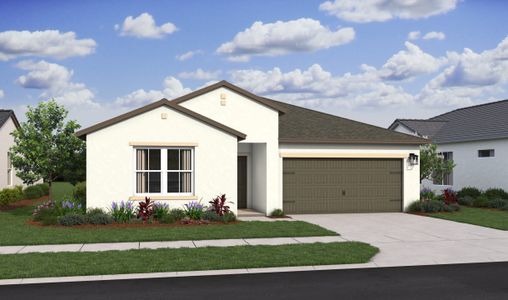
Top-rated new construction communities in Space Coast
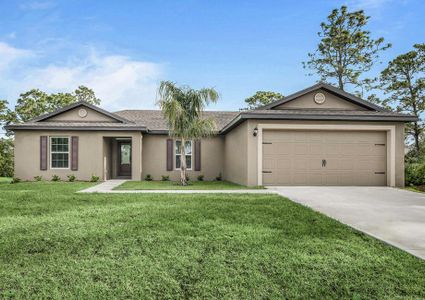
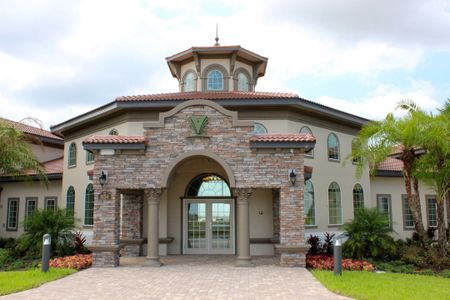
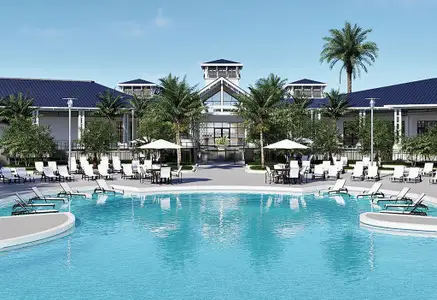
Watermark
by Stanley Martin Homes, Cocoa, FL
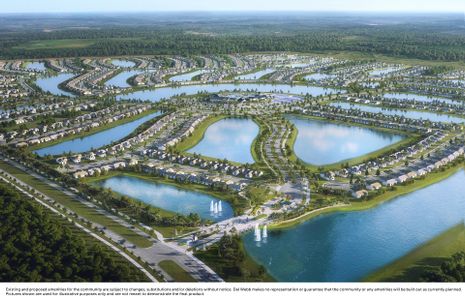
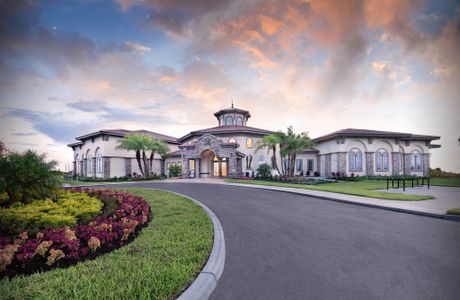
Master planned communities in Space Coast
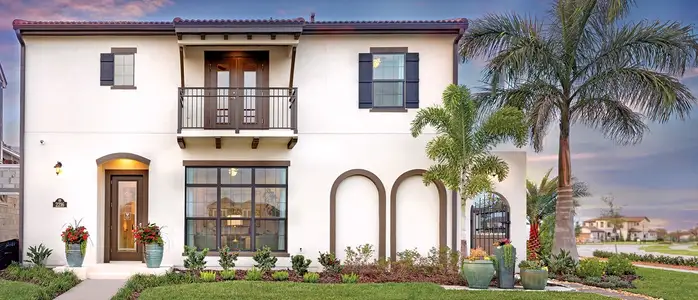
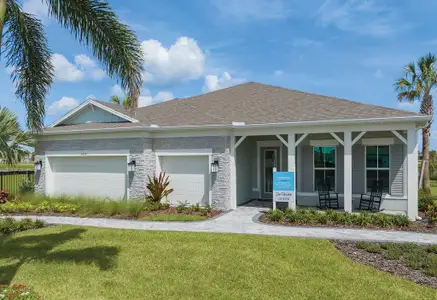
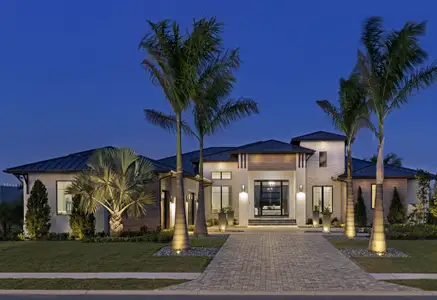
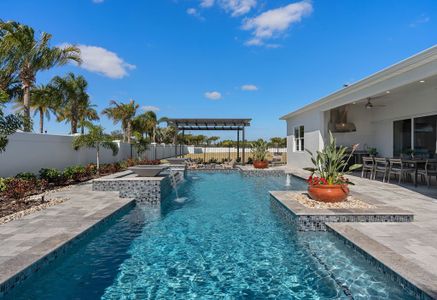
Browse communities & homes in Space Coast cities
Real estate in Space Coast
As of early 2026, the Space Coast real estate market continues to benefit from a booming aerospace sector while offering a balanced environment for homebuyers. The median home price has stabilized near $385,000, maintaining its reputation as one of Florida’s most affordable coastal regions. Unlike the inventory crunches of the past, a surge in new construction—particularly in expanding hubs like Palm Bay and Titusville—has restored healthy supply levels. For prospective owners, this growth translates to opportunity. Buyers now enjoy increased leverage to negotiate terms, and the region’s strong connection to defense and tech industries makes the Florida Hometown Heroes program especially relevant. With eligible workers qualifying for up to 5% in down payment assistance, securing a home near the launchpads has never been more attainable.
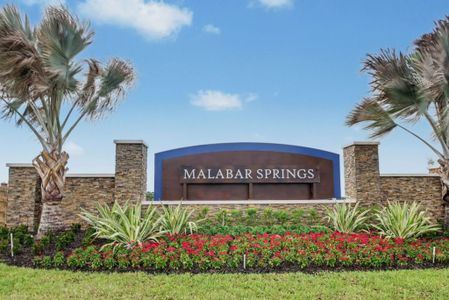
Newly released communities


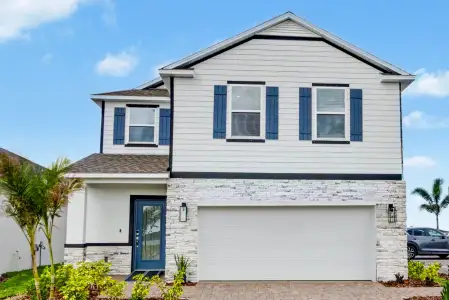
Recently listed homes
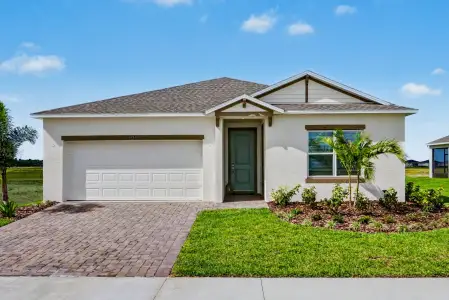

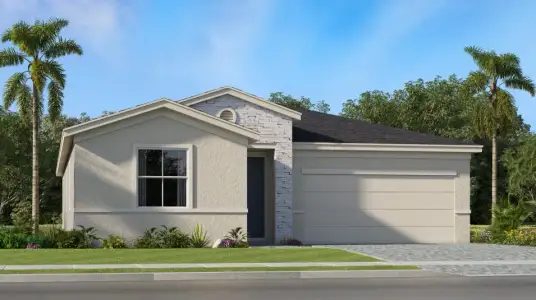
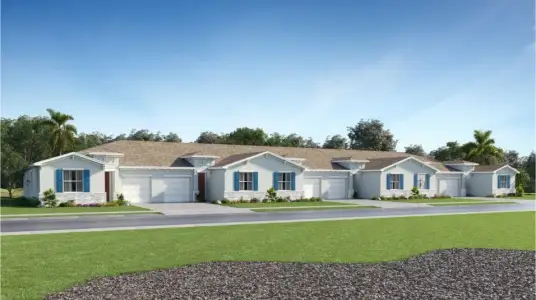
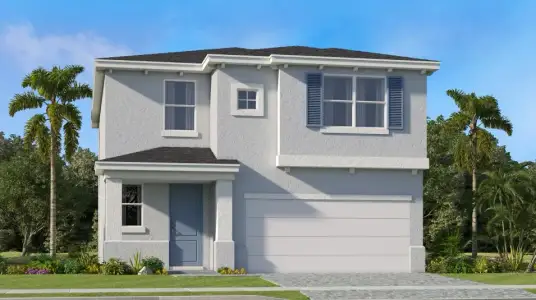
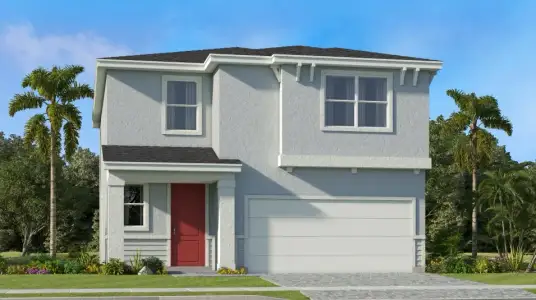
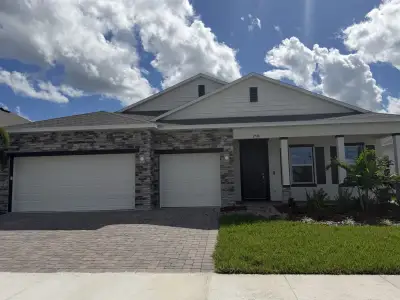
Recently published floor plans
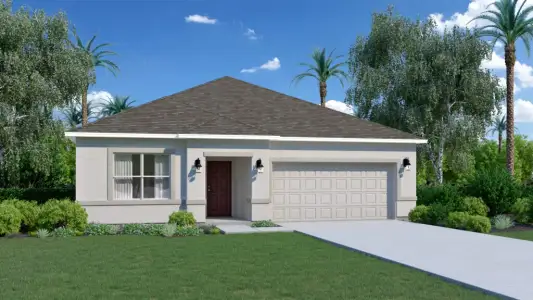
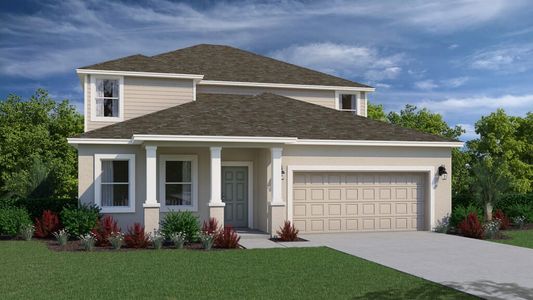
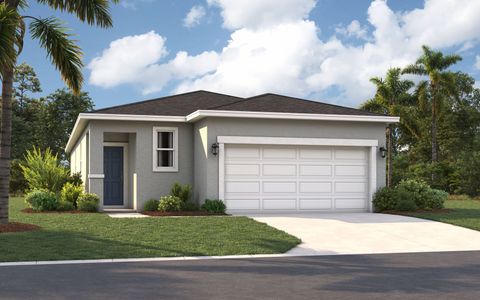
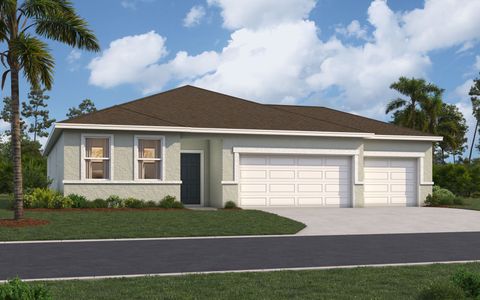
The most popular new construction builders in Space Coast










How does Space Coast, FL compare to other real estate markets in Florida?
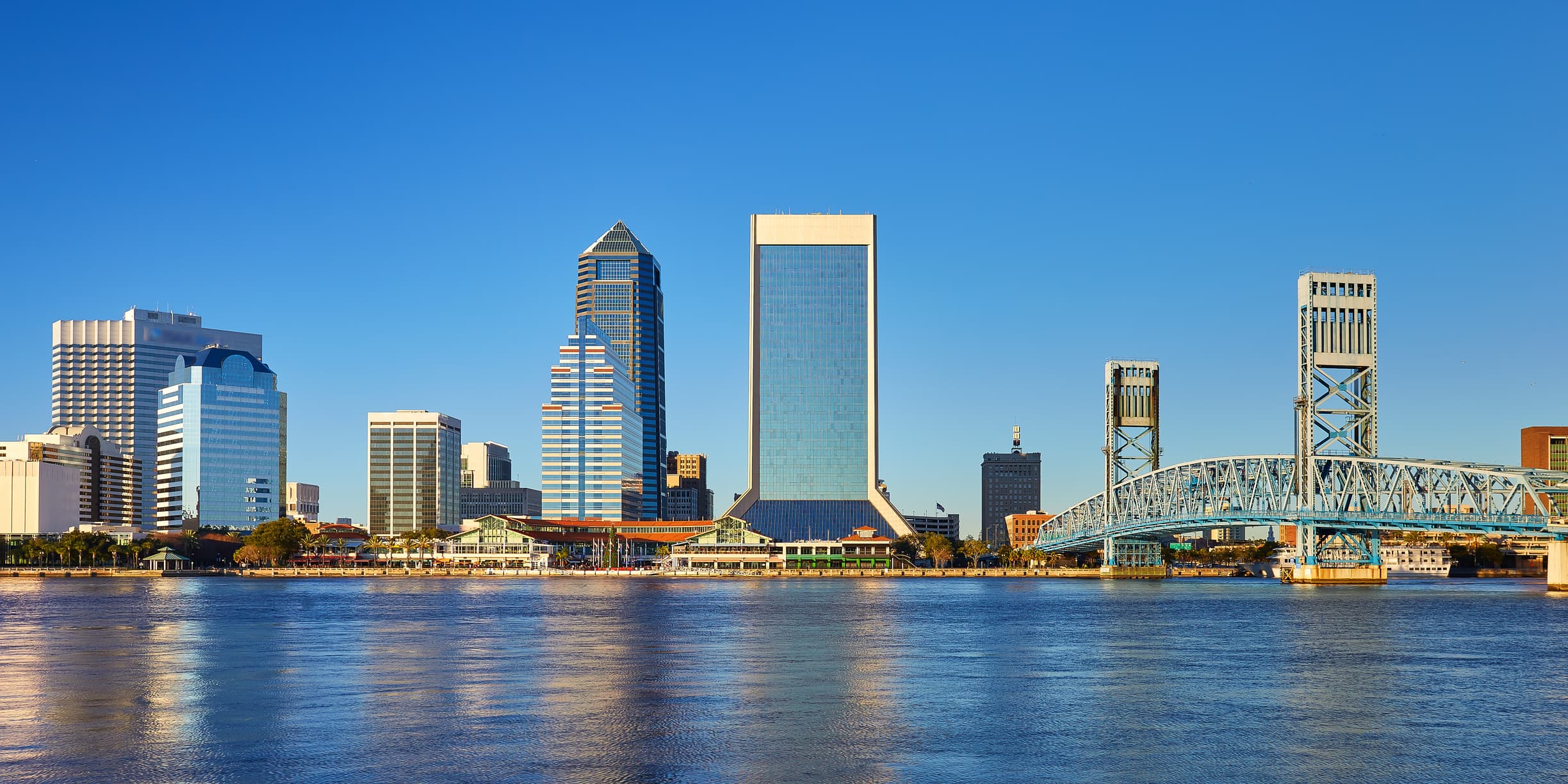 Jacksonville Metropolitan Area2,566 homes194% more homes than in Space Coast, FL2% higher median price
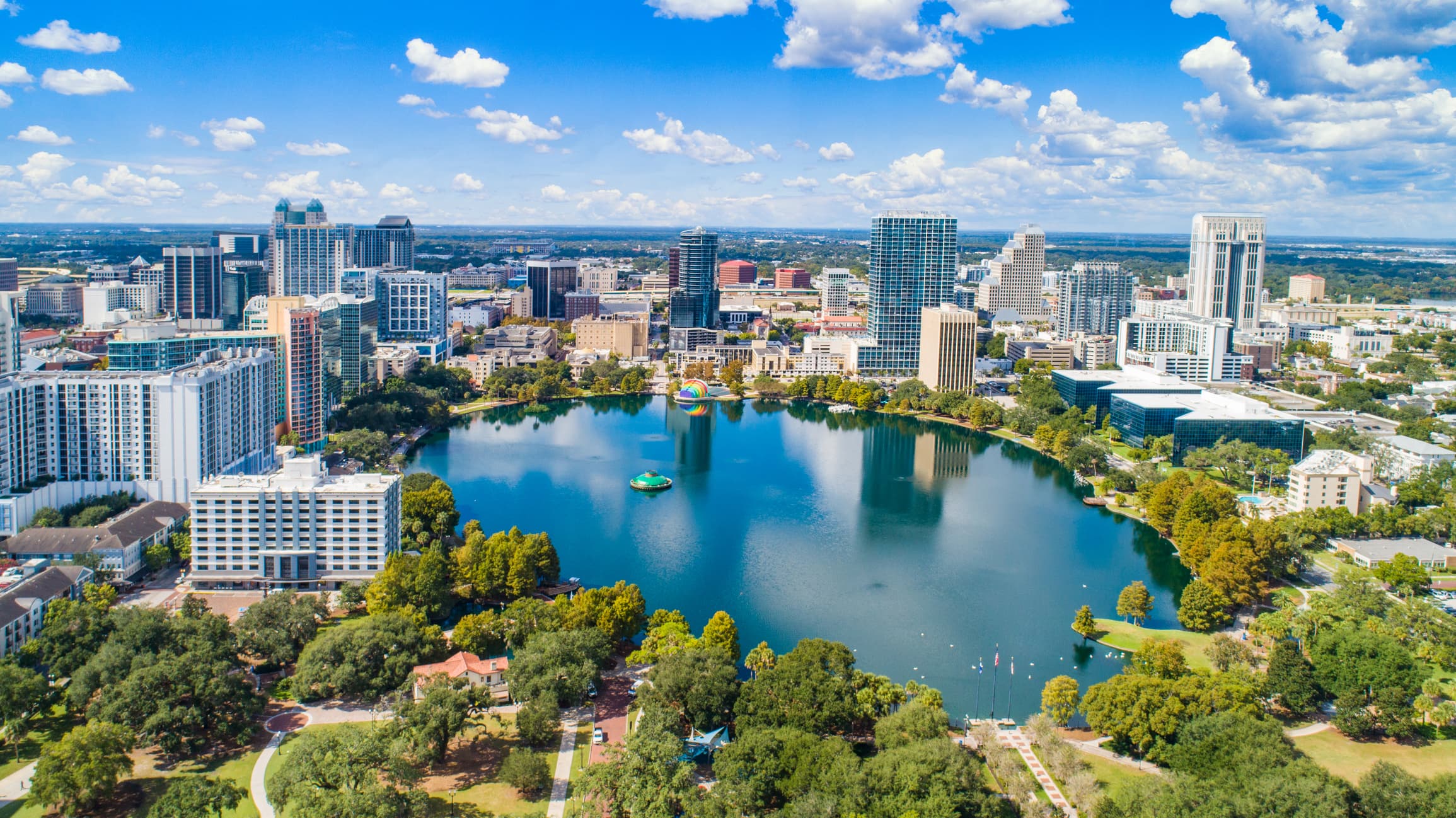 Greater Orlando Area7,527 homes762% more homes than in Space Coast, FL8% higher median price
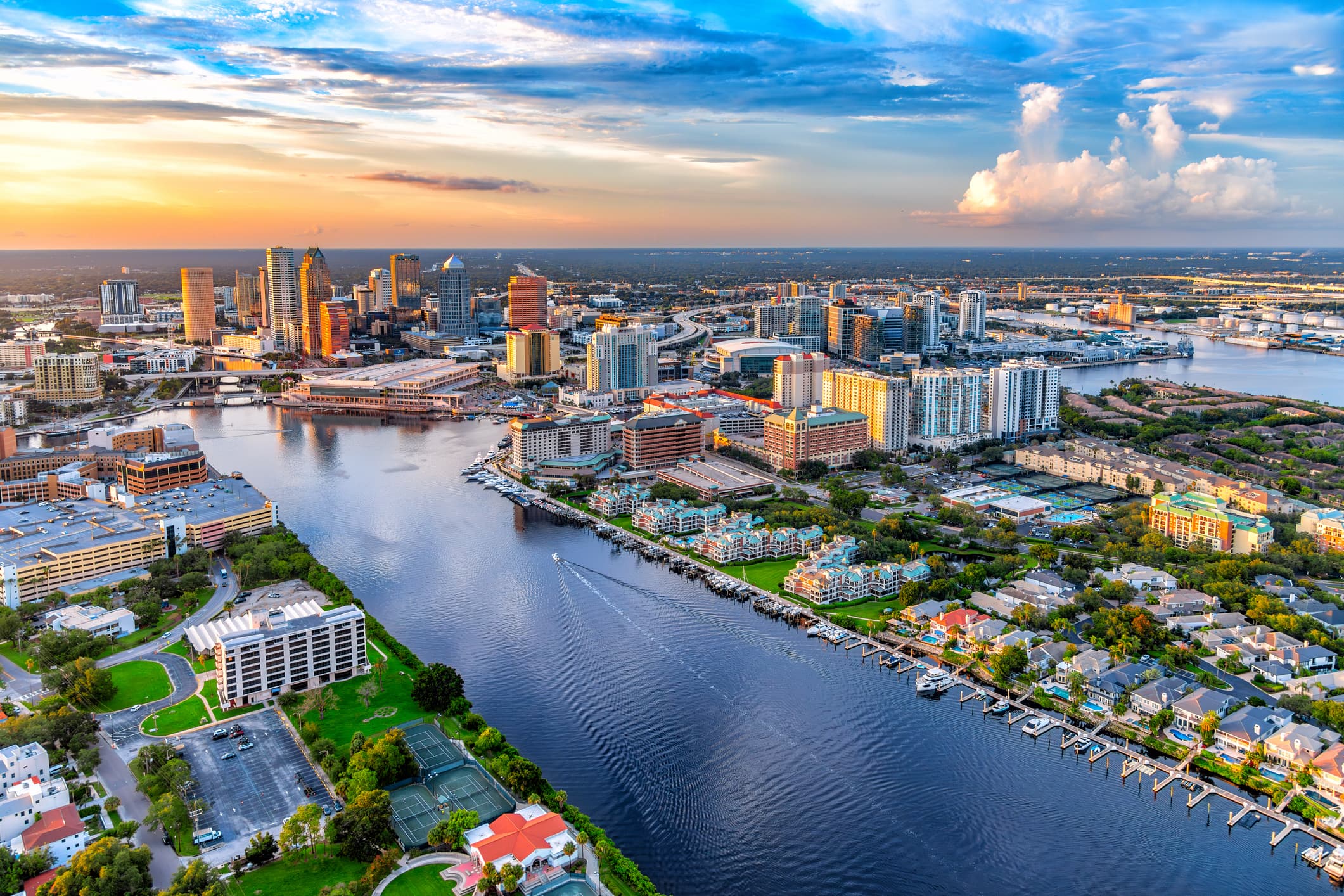 Tampa Bay Area7,500 homes759% more homes than in Space Coast, FL25% higher median price
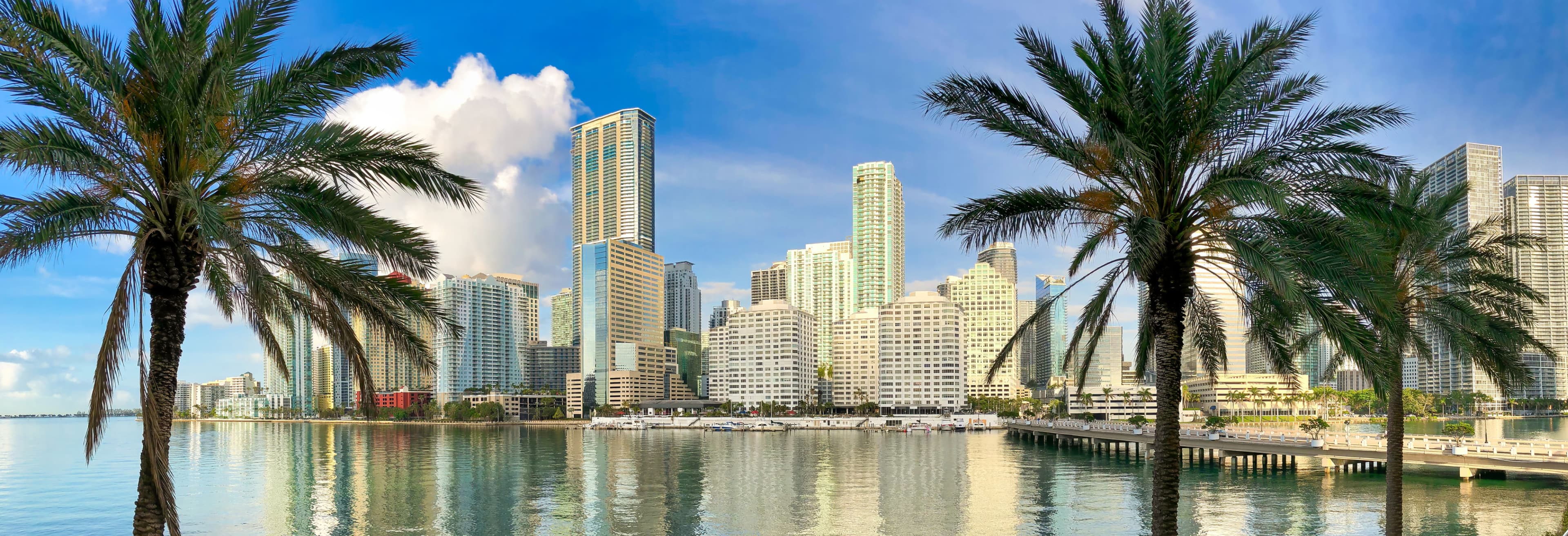 Miami Metropolitan Area3,953 homes353% more homes than in Space Coast, FL367% higher median price
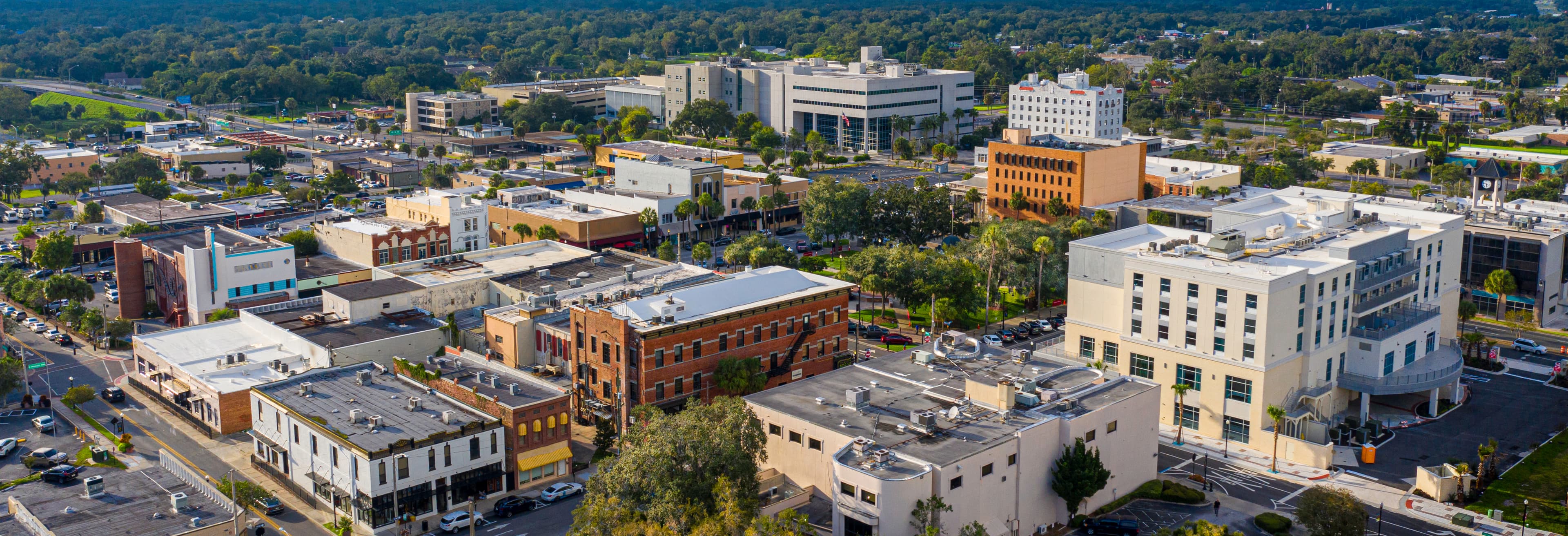 Gainesville–Ocala Area3,284 homes276% more homes than in Space Coast, FL17% lower median price
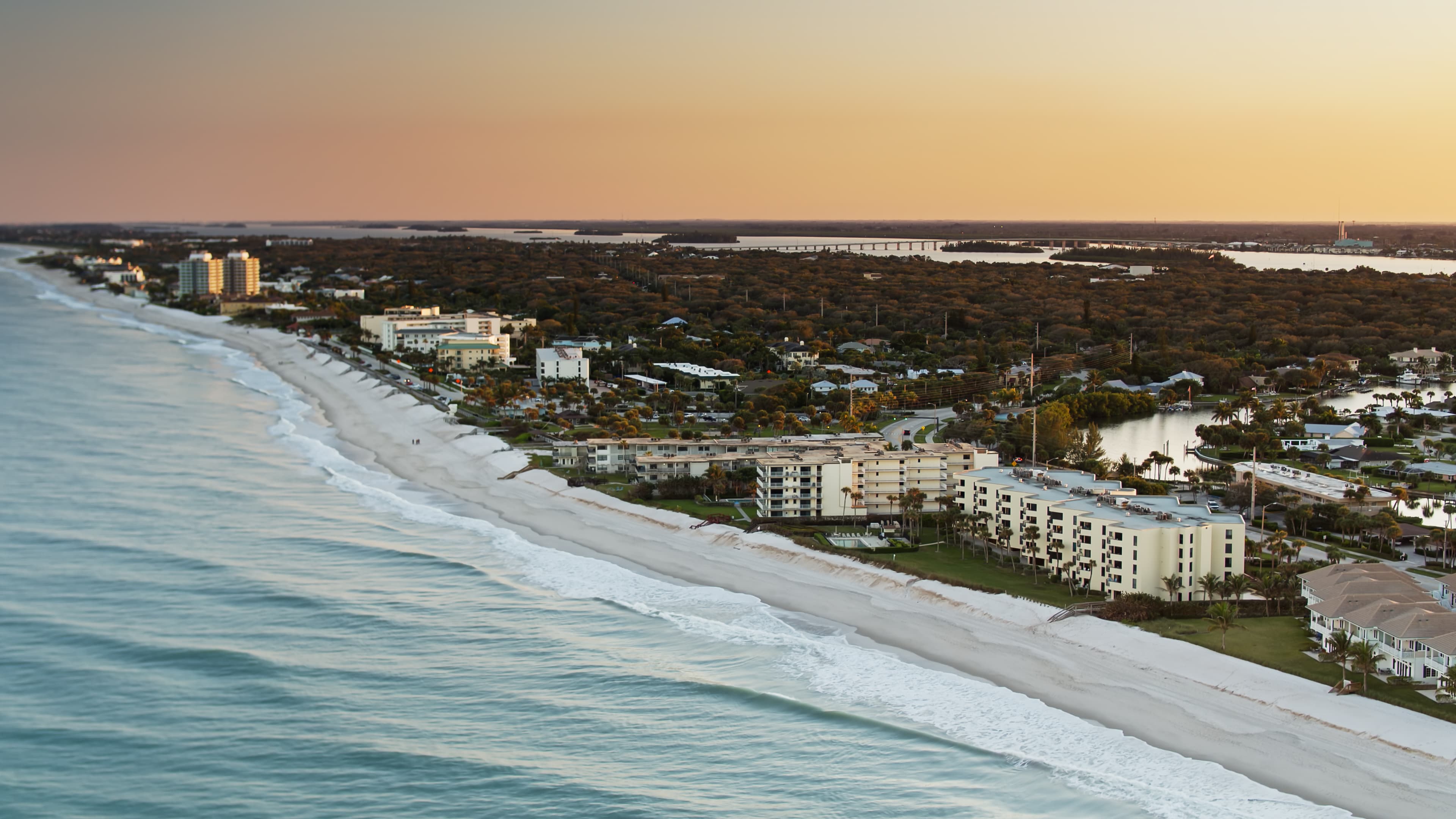 Treasure Coast1,916 homes119% more homes than in Space Coast, FL36% higher median price
Read about new construction on Jome blog


Frequently asked questions
What is the current median sale price for a property in Space Coast?
Property buyers interested in the Space Coast will find a median sale price of $373,819, according to August 2026 market data. This price point reflects 873 newly built homes, crafted by 25 reputable construction firms, offering a variety of living options.
Who are the major developers of new construction homes in Space Coast?
Homebuyers looking for new construction in Space Coast often choose homes built by Holiday Builders, D.R. Horton, Lennar, Maronda Homes and Adams Homes. These developers are known for delivering quality new homes across various price ranges.
What are the extra fees in Viera?
Viera is beautiful, but you need to budget for the CDD (Community Development District) fee. This is an annual assessment added to your tax bill that pays for the parks, trails, and drainage infrastructure that make the community so desirable. Depending on the specific neighborhood within Viera, this can add $1,000 to $2,500+ to your annual taxes. While most residents feel the amenities justify the cost, you should ask for the specific "Total Tax Load" before signing a contract. If you prefer a lower tax bill, look for Brevard Communities without CDD Fees.
How does the "Space Race" affect the housing market?
The explosion of commercial spaceflight (SpaceX, Blue Origin) has fundamentally changed the local economy. We are seeing a massive influx of high-income engineers and aerospace professionals, which has insulated the Space Coast market from national downturns. This "Space Race 2.0" demand is particularly strong in North Brevard (Titusville) and the Space Coast Regional Airport area. For buyers, this means home values near these employment hubs are projected to remain stable or grow. To live near the high-tech action, check out New Homes near Kennedy Space Center.
Is it better to buy in Viera or Palm Bay?
This is the classic "Lifestyle vs. Value" debate of Brevard County. Viera is the premium, master-planned choice—think golf carts, A-rated schools, and manicured landscaping—but you pay for it with higher home prices and significant CDD fees. Palm Bay, located just south, is the "value engine" of the Space Coast. Here, you can often find a brand-new home on a quarter-acre lot for $100,000 less than a comparable Viera property, usually with no HOA fees. If you want the country club vibe, choose Viera; if you want maximum square footage and freedom from rules, search for Affordable New Homes in Palm Bay.
Do I need flood insurance if I don't live on the beach?
Geography is everything here. If you buy "Beachside" (on the barrier island like Satellite Beach or Cocoa Beach), flood insurance is expensive and mandatory. However, the vast majority of new construction is happening on the "Mainland" (west of the Indian River/Intracoastal). In areas like West Melbourne, Viera, and Palm Bay, most new homes are built in Flood Zone X, where lenders typically do not require flood insurance. Buying on the mainland is the single easiest way to slash your monthly housing costs. To see these lower-risk options, filter for Mainland New Construction Homes.
Is Titusville making a comeback?
Absolutely. For years, Titusville was quiet after the Shuttle program ended, but it is now the epicenter of the new aerospace boom. With major manufacturing facilities opening nearby, Titusville is seeing a wave of new construction that offers a more affordable entry point than Melbourne or Viera. It is currently the "smart buy" for those who want to be close to the launch pads and nature (Canaveral National Seashore) without paying the premium prices of the southern county. To see the revitalization firsthand, explore New Homes in Titusville.