
Treasure Coast new construction market: prices, trends, guides & homes as of October 2026
How much does a new home in Treasure Coast cost?
How are new home prices changing in Treasure Coast, FL?
Home price data reflects current listings in Treasure Coast, Florida, sourced from Jome and updated regularly
*Based on Jome markets

Get free consultation with Treasure Coast expert
Get a free, no-pressure consultation with our top Treasure Coast new-construction expert. They know every major builder, the best deals and incentives, and exactly what's happening in the local new-construction market.
Treasure Coast market overview
- Overall inventory1,916
- Single-family inventory1,682
- Townhouse inventory201
- Condo inventory14
- Multi-family inventory9
- Penthouse inventory0
- 1 bed inventory10
- 2 beds inventory253
- 3 beds inventory915
- 4+ beds inventory736
- Median home price$506,900
- Median sqft price$243.33
- Median 1 bed price$557,000
- Median 2 beds price$448,814
- Median 3 beds price$477,900
- Median 4+ beds price$534,970
- Min listing price$179,000
- Max listing price$51,900,000
- Min community price$227,990
- Max community price$3,225,000
Treasure Coast median price change
| Month | Median price | Change |
|---|---|---|
| October 2025 | $489,000 | - |
| November 2025 | $479,992.5 | -1.84% |
| December 2025 | $481,705.5 | +0.36% |
| January 2026 | $482,375 | +0.14% |
| February 2026 | $483,419 | +0.22% |
| March 2026 | $479,900 | -0.73% |
What are the most popular buyers' searches?
What it's like to live in Treasure Coast?
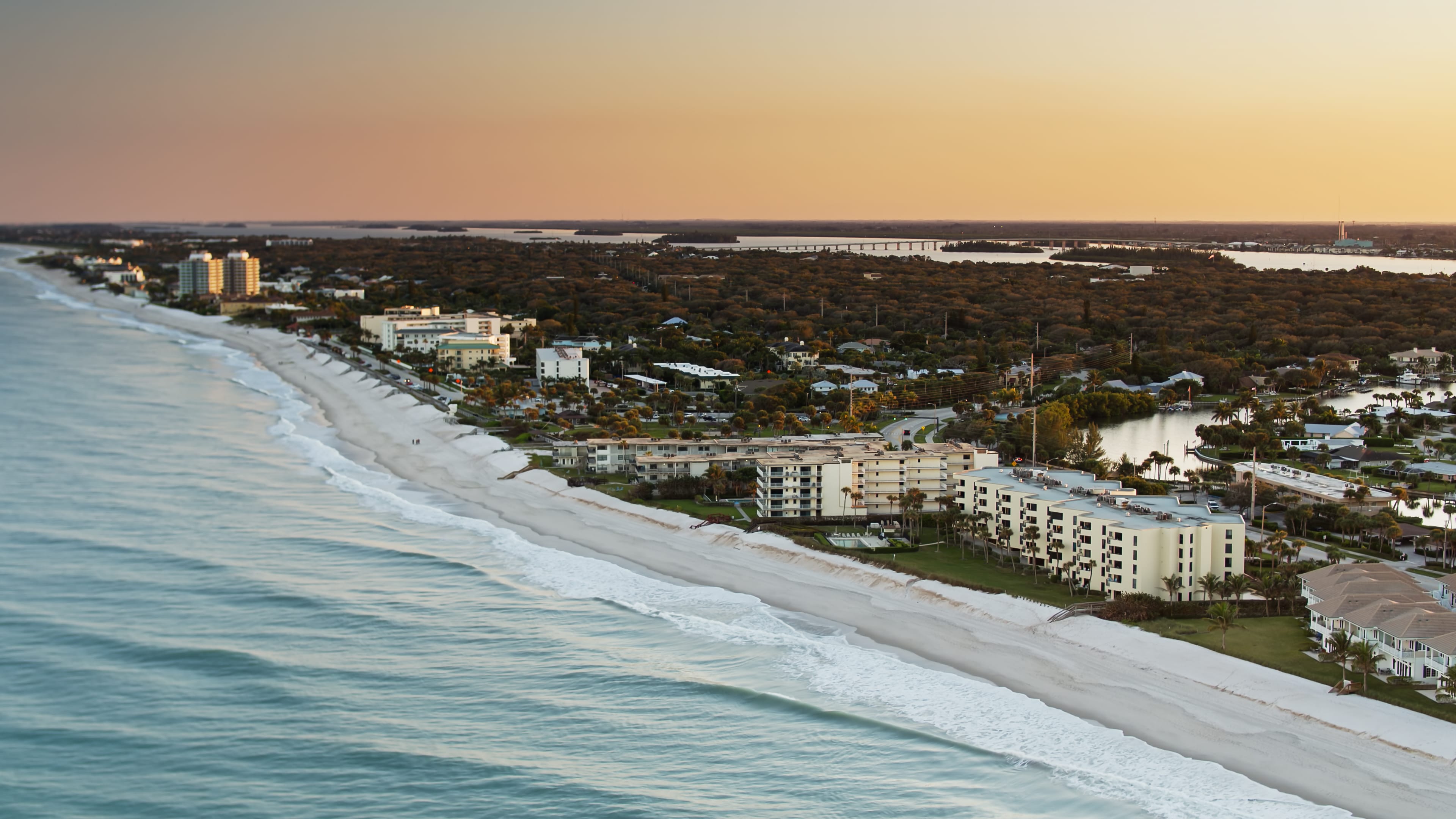
The Treasure Coast operates as Florida's quiet retirement haven, where the three-county region spanning Martin, St. Lucie, and Indian River Counties along Florida's Atlantic coast has developed primarily as a residential community attracting retirees seeking beach access without South Florida's density, traffic, or prices, creating an economy that depends heavily on outside wealth rather than local employment generation, where healthcare systems including Cleveland Clinic Martin Health, HCA Florida Lawnwood Hospital, and Indian River Medical Center employ thousands serving the aging population, where Port St. Lucie has grown into Florida's ninth-largest city (population 210,000) functioning essentially as a vast suburban bedroom community, and where the combination creates a market fundamentally different from employment-driven metros like Tampa or the Space Coast's aerospace concentration. The region spanning from Jupiter Island (one of America's wealthiest zip codes) north through Stuart, Port St. Lucie, Fort Pierce, and Vero Beach to Sebastian has absorbed substantial growth over the past decade as retirees discovered Atlantic beaches offering slower pace and moderate costs compared to Palm Beach County immediately south, while younger families seeking affordable single-family homes discovered Port St. Lucie offered entry points impossible in South Florida. However, this growth combined with pandemic-era migration has driven appreciation of 40% to 60% from 2020 to 2024 in many submarkets, transforming the Treasure Coast from affordable alternative into an increasingly expensive market where quality new construction ranges from $380,000 to $580,000 in Port St. Lucie and Fort Pierce to $550,000 to $850,000 in Stuart and Vero Beach's desirable areas, where Florida's insurance crisis creates annual property premiums of $5,000 to $10,000 plus mandatory flood insurance adding another $2,200 to $6,500 for many coastal properties, and where traffic on US-1 (the primary north-south route) has worsened substantially as growth outpaced infrastructure improvements. The common thread is the Treasure Coast's position as the residential Florida market, where retirees purchase homes with assets accumulated elsewhere rather than local earnings, where working-age residents face limited employment opportunities beyond healthcare, retail, and service industries paying $35,000 to $75,000 creating affordability challenges as home prices appreciated beyond local wage growth, where beaches and quality of life attract buyers willing to sacrifice career opportunities for lifestyle advantages, and where the trade-offs involve accepting hurricane risk that materialized through direct hits including Jeanne and Frances in 2004, Frances again in 2004, and multiple near-misses, embracing small-city character across multiple municipalities that lack the urban energy of larger metros, and recognizing that the Treasure Coast's economy provides limited opportunities for young professionals seeking career advancement beyond serving the retirement community's needs.
Why retirement wealth and outside capital drive the market more than local employment
The Treasure Coast's economic foundation differs fundamentally from employment-driven markets like Orlando's tourism, the Space Coast's aerospace, or Tampa's corporate headquarters. The region functions primarily as a residential retirement destination where wealth generated elsewhere supports local consumption without requiring local employment generation at scale. This creates an economy where retirees bring Social Security income, pension distributions, investment portfolios, and 401(k) withdrawals earned during careers in New York, New Jersey, Pennsylvania, Ohio, and other states, spending this outside capital on housing, healthcare, dining, retail, and services that employ local workers but don't generate the high-wage professional employment that other Florida metros provide.
The demographic concentration illustrates this reality: Indian River County (Vero Beach) has a median age of 54 years, among Florida's oldest counties, with over 35% of residents aged 65-plus. Martin County (Stuart/Jensen Beach) shows similar patterns with median age around 51 years. Even St. Lucie County (Port St. Lucie/Fort Pierce), which skews somewhat younger due to families seeking affordable housing, still shows median age around 47 years, substantially older than Florida's overall 42 years. This aging population creates specific economic patterns: high healthcare employment serving medical needs, substantial retail and service employment serving retiree consumption, limited professional employment beyond these sectors, and minimal opportunities for young professionals unless they work remotely or commute to Palm Beach County.
The healthcare sector represents the Treasure Coast's largest employment category beyond government and retail. Cleveland Clinic Martin Health (formerly Martin Health System, acquired by Cleveland Clinic in 2019) operates three hospitals in Stuart and surrounding areas, employing approximately 3,500 people including physicians, nurses, medical technicians, therapists, and administrators. The Cleveland Clinic affiliation elevated the system's reputation, attracting patients regionally and providing career opportunities in a major health system. However, the acquisition also brought cost pressures and system changes affecting employment. HCA Florida Lawnwood Hospital in Fort Pierce and St. Lucie Medical Center in Port St. Lucie (both HCA facilities) employ several thousand combined. Indian River Medical Center in Vero Beach serves that community. Treasure Coast Hospice and various specialty practices add healthcare employment throughout the region.
Nurses earn $62,000 to $90,000, allowing homeownership though dual-income nursing households creating combined $125,000 to $180,000 access better options than single-income nurses struggling with homes starting at $360,000 in more affordable areas. Physicians earn $180,000 to $380,000 depending on specialty, finding the Treasure Coast allows comfortable lifestyles with beach access and moderate costs relative to South Florida, though absolute home prices in premium Stuart and Vero Beach areas approaching $700,000 to $1.2 million strain even physician budgets when insurance costs compound challenges.
Beyond healthcare, employment concentrates in retail, restaurants, hospitality, personal services, and industries serving the retiree population and tourist visitors. These positions typically pay $28,000 to $55,000 annually, creating working-class employment that once could access homeownership but now faces pricing out as homes appreciated 50% to 60% while service industry wages rose only 15% to 20%. The disconnect between retiree-driven housing demand (buyers bringing wealth from expensive markets making Treasure Coast prices feel moderate) and local worker wages (service employees earning Treasure Coast salaries that haven't kept pace with appreciation) creates the affordability crisis defining the region.
Government employment through county operations, school systems, law enforcement, and state agencies provides stable middle-class employment at wages from $45,000 to $95,000 depending on positions. However, the scale remains modest relative to metro population, with roughly 10,000 to 12,000 government employees across the three counties.
The agricultural sector—historically significant through citrus production—has declined substantially following citrus greening disease devastating Florida's orange groves. Indian River County citrus production that once defined the region now operates at fraction of historical levels, with many groves abandoned or converted to residential development. However, some agricultural employment persists, along with environmental and water management positions.
Port of Fort Pierce handles some cargo and supports commercial fishing, though the scale remains far smaller than major Florida ports. The port employs several hundred in operations and related activities.
Florida Power & Light's St. Lucie Nuclear Power Plant employs approximately 800-plus workers in operations, maintenance, security, and support roles, providing high-wage technical employment ($75,000 to $140,000 for operators, engineers, and technicians) unusual for the region. However, this represents isolated employment rather than economic cluster.
The retirement-driven economy creates implications for housing markets: home prices reflect what retirees from expensive markets can afford (often paying cash from previous home sales), not what local workers earning Treasure Coast wages can qualify for using mortgages. This dynamic has intensified over the past five years as pandemic-era migration brought waves of retirees and remote workers discovering the Treasure Coast, driving appreciation that created wealth for existing owners while pricing out working-class local residents.
The tax structure delivers Florida's zero state income tax, benefiting retirees living on Social Security, pensions, and investment income, creating savings of $3,000 to $8,000 annually versus states taxing retirement income—a significant attraction for the demographic the region attracts. Property taxes vary by county: St. Lucie County runs approximately 1.05% to 1.20% of assessed value, Martin County approximately 0.95% to 1.10%, and Indian River County approximately 0.95% to 1.10%. Florida's Save Our Homes caps assessment increases at 3% annually for homesteaded properties.
The cost of living has increased dramatically, eliminating the affordability advantage that once attracted buyers. Quality new construction in Port St. Lucie and Fort Pierce ranges $380,000 to $550,000, while Stuart, Jensen Beach, and Vero Beach command $550,000 to $850,000-plus in desirable areas. Waterfront and barrier island properties exceed $1 million easily. The appreciation has been explosive—40% to 60% from 2020 to 2024 in many submarkets—creating wealth for owners who purchased earlier while completely pricing out working-class buyers earning local service industry wages.
The climate delivers year-round warmth with Atlantic beach access along approximately 60 miles of coastline. Temperatures remain above 60 degrees most winter days. Summer heat and humidity from May through October create conditions typical of coastal Florida. Afternoon thunderstorms develop regularly during summer. Hurricane season from June through November creates serious risk that has materialized—Hurricanes Frances and Jeanne both struck in 2004 within weeks, causing catastrophic damage. The combination of Atlantic hurricane exposure and Florida's insurance crisis creates the most significant housing cost challenge beyond purchase prices.
Understanding the Treasure Coast by buyer profile and retirement community character
The Treasure Coast's retirement concentration, limited employment diversity, and residential character create buyer profiles where retirees dominate, healthcare workers serve the aging population, and working-age residents either serve the retiree economy or commute elsewhere for professional employment.
For Affluent Retirees Seeking Atlantic Beach Lifestyle: The Treasure Coast attracts substantial affluent retiree settlement, particularly in Vero Beach (historically the region's wealthiest and most established area), Stuart/Jensen Beach, and waterfront communities throughout the three counties. These buyers typically bring substantial assets—$800,000 to $2 million-plus from selling homes in New York, New Jersey, Connecticut, and other expensive markets—allowing cash purchases of homes from $550,000 to $1.5 million-plus without mortgage financing. Jupiter Island and certain Vero Beach neighborhoods rank among America's wealthiest zip codes, with estates exceeding $5 million to $20 million-plus creating concentrations of extreme wealth. However, the broader affluent retiree market targets homes from $600,000 to $1.2 million in communities including Stuart's waterfront areas, Jensen Beach along the Intracoastal, Vero Beach mainland premium neighborhoods, and barrier island properties. These buyers seek Atlantic beach access without South Florida's traffic and density, slower pace than Palm Beach County offers, boating and fishing opportunities the Intracoastal and Atlantic provide, and established retirement communities where neighbors share similar life stages and backgrounds. They typically maintain active lifestyles into their 60s and early 70s, golfing at private clubs, boating, fishing, dining at upscale restaurants that have emerged serving the demographic, and participating in cultural activities that Vero Beach in particular provides through Riverside Theatre, Vero Beach Museum of Art, and organizations unusual for a city of 17,000 (though serving a larger regional population). The zero income tax benefits retirees substantially when retirement income exceeds $100,000 annually, creating savings of $6,000 to $12,000 versus high-tax states. However, insurance costs approaching $8,000 to $14,000 annually for property coverage plus $3,000 to $6,000 for flood insurance on waterfront properties create ongoing expenses consuming portions of retirement income.
For Moderate-Income Retirees Seeking Affordability: Beyond the affluent segment, moderate-income retirees from across the country seek the Treasure Coast's relative affordability compared to other Florida coastal options. These buyers typically bring $180,000 to $380,000 from selling homes in Midwest and Northeast markets, using these proceeds as down payments or purchasing cash in Port St. Lucie, western St. Lucie County, or Fort Pierce where homes range $340,000 to $480,000. They live on combined Social Security and modest pensions totaling $45,000 to $85,000 annually, requiring careful budgeting where insurance costs approaching $5,500 to $8,000 annually represent substantial portions of fixed incomes. These retirees seek single-story ranch layouts, low-maintenance communities eliminating yard work, proximity to healthcare given the major hospital systems, and warm climate allowing outdoor activities year-round. The large moderate-income retiree population creates communities in 55-plus developments throughout Port St. Lucie and surrounding areas, though these buyers face increasing challenges as appreciation pushed home prices beyond what Social Security and modest pensions can comfortably support when insurance and property taxes add $800 to $1,100 monthly beyond mortgage principal and interest.
For Healthcare Professionals Serving Aging Population: Cleveland Clinic Martin Health, HCA facilities, Indian River Medical Center, and various healthcare providers employ nurses, physicians, medical technicians, and administrators throughout the region. Nurses earning $62,000 to $90,000 struggle with single-income homeownership, though dual-nurse households earning combined $125,000 to $180,000 can purchase homes from $380,000 to $540,000 in Port St. Lucie, western areas, or Fort Pierce. A registered nurse earning $70,000 finds that even modest homes in Stuart or Vero Beach starting at $480,000-plus create affordability challenges, forcing choices between accepting Port St. Lucie or Fort Pierce locations with longer commutes to Stuart-area hospitals or stretching financially for closer proximity. Physicians earning $180,000 to $380,000 purchase homes from $520,000 to $1 million-plus in premium locations including Stuart, Vero Beach, and waterfront areas, though even high medical incomes face challenges when insurance costs exceed $10,000 annually and desirable areas command prices approaching $800,000 to $1.2 million. Healthcare workers often struggle with the Treasure Coast's economic realities—the market attracts them through major hospital systems offering reasonable career opportunities and beach lifestyle, but housing costs have appreciated to levels straining healthcare salaries while the retirement economy offers limited alternative employment if healthcare positions don't work out.
For Working Families in Port St. Lucie's Suburban Sprawl: Port St. Lucie grew explosively from 55,000 residents in 1990 to over 210,000 currently, becoming Florida's ninth-largest city functioning essentially as vast suburban residential development. The city attracts working families seeking affordable single-family homes with yards, purchasing properties from $360,000 to $480,000 in neighborhoods throughout the sprawling geography. However, Port St. Lucie's challenge is that it developed primarily as bedroom community without corresponding employment generation—most working-age residents either work service industry positions locally earning $35,000 to $65,000, healthcare positions at local hospitals earning $55,000 to $95,000, or commute 35 to 60 miles south to Palm Beach County for higher-wage professional employment. These buyers include dual-income working families where combined household incomes of $85,000 to $140,000 from combinations of healthcare work, retail management, service industry positions, or professional roles allow purchases in Port St. Lucie's moderate pricing. They prioritize schools (St. Lucie County Schools show varying quality requiring research into specific school attendance zones), space for growing families (Port St. Lucie homes typically offer more square footage than similarly-priced Stuart or Vero properties), and single-family home ownership rather than apartments. The challenge is that Port St. Lucie's appreciation—homes selling for $240,000 in 2019 now listing at $380,000-plus—has reduced accessibility even in this "affordable" segment, with working-class families earning $65,000 to $95,000 combined income facing increasing difficulty qualifying for homes requiring monthly payments approaching $3,000 including insurance.
For Palm Beach County Commuters Seeking Housing Value: Some working-age professionals work in Palm Beach County's Jupiter, West Palm Beach, or other northern county employment centers while residing in southern Martin County or Port St. Lucie, accepting commutes of 35 to 60 minutes (or longer during peak traffic) to access Treasure Coast housing costs running 25% to 35% below Palm Beach County alternatives. Corporate professionals, healthcare workers at Palm Beach County hospitals, and various white-collar employees earning $75,000 to $140,000 purchase homes from $420,000 to $650,000 in Stuart or southern Martin County, calculating that despite brutal commutes on I-95 or Florida Turnpike, the housing value justifies the sacrifice. However, this strategy has become less attractive as Treasure Coast appreciation narrowed the price gap—when Stuart homes were $280,000 versus Jupiter homes at $420,000, the 33% discount justified commuting, but with current Stuart homes at $520,000 versus Jupiter homes at $700,000, the 26% discount feels less compelling given commute costs of $250 to $350 monthly in fuel plus 90 to 120 minutes daily sitting in traffic.
For Remote Workers Discovering Beach Access: The pandemic accelerated remote worker migration to the Treasure Coast, with professionals maintaining expensive-market salaries while discovering Atlantic beaches and moderate costs relative to their departure cities. Software engineers, corporate professionals, marketing specialists, and various white-collar workers earning $85,000 to $160,000 who can work from anywhere chose Stuart, Vero Beach, or quieter Fort Pierce and Port St. Lucie areas for beach access, slower pace than South Florida, and costs running below Miami or Tampa despite recent appreciation. These buyers purchased homes from $450,000 to $750,000, driving substantial appreciation that made the market less affordable for everyone else. They research the Treasure Coast carefully, discovering the retirement community character, limited dining and entertainment beyond beach activities and retiree-focused establishments, minimal nightlife or young professional scenes given demographic concentration, and geographic position requiring driving to reach Orlando (110 miles), Tampa (170 miles), or Miami (110 miles) for urban experiences. However, many embrace trade-offs for beach lifestyle, relative affordability versus other options, and quiet pace the region provides.
For First-Time Buyers Facing Severe Challenges: The Treasure Coast's appreciation has devastated first-time buyer accessibility, particularly in Martin and Indian River Counties where entry-level homes essentially don't exist under $400,000. In St. Lucie County, townhomes start around $280,000 in western Port St. Lucie, requiring $9,800 down with FHA loans. Starter single-family homes begin at $340,000 in Port St. Lucie or Fort Pierce, requiring $11,900 down. Young healthcare workers, service industry employees, teachers, and working families earning $60,000 to $95,000 combined income struggle to qualify for homes that appreciated 50% to 60% over four years while incomes rose only 15% to 20%. Many first-time buyers have delayed purchases indefinitely, continuing to rent while watching prices escalate beyond reach, or relocated to inland counties (Okeechobee, St. Lucie western areas) accepting remote locations and long commutes to achieve ownership. The disconnect between retiree-driven housing demand and local working-age wages creates crisis conditions where the people who work service industry jobs serving the retirement economy cannot afford to purchase homes in the region they serve.
For Investors Facing Regulation Complexity: The Treasure Coast's beach access and retiree visitor patterns create some investment demand, though short-term rental regulations vary dramatically by municipality. Vero Beach and some other areas restrict or prohibit short-term rentals under 30 days, while other jurisdictions allow them with proper licensing. Insurance costs of $6,500 to $12,000 annually for investment properties plus property taxes and management fees consume substantial rental income. The market also faces demographic headwinds—as the retiree population ages further into 70s and 80s, healthcare needs increase, some choose to move to assisted living or return north near family, and the existing retiree population doesn't provide endless replacement demand as younger cohorts face affordability barriers entering the market.
The substantial costs beyond mortgage payments in Atlantic coastal exposure
Your actual monthly housing expense on the Treasure Coast extends beyond principal and interest, with Florida's insurance crisis creating substantial costs though somewhat less severe than South Florida's catastrophic levels.
- Property taxes vary by county. St. Lucie County runs approximately 1.05% to 1.20% of assessed value, Martin County approximately 0.95% to 1.10%, and Indian River County approximately 0.95% to 1.10%. On a $480,000 home in Martin County, annual property tax bills range from roughly $4,560 to $5,280. Florida's Save Our Homes caps assessment increases at 3% annually for homesteaded properties, creating disparity where recent buyers subsidize longtime residents. The homestead exemption reduces assessed value by $50,000 for primary residences.
- Sales tax ranges from 6.5% to 7.0% across the counties, with Florida collecting 6% and counties adding 0.5% to 1.0%.
- Homeowner's insurance represents the Treasure Coast's most dramatic housing cost challenge, with Florida's insurance crisis creating premiums that have increased substantially. Annual premiums typically range from $5,000 to $10,000 for standard single-family homes depending on coverage levels, home value, construction type, roof age, and proximity to coast. Properties near Atlantic beaches or on barrier islands face premiums at the upper end, sometimes reaching $11,000 to $16,000 annually for homes in coastal locations. Hurricane deductibles typically apply as 2% to 5% of dwelling value, meaning a $520,000 home carries $10,400 to $26,000 hurricane deductible applying when named storms strike. Major national carriers have reduced Florida exposure dramatically, forcing buyers toward Citizens Property Insurance or surplus lines carriers charging 70% to 120% higher premiums than standard market previously charged. Roof age drives availability—insurers refuse coverage or demand full replacement for roofs over 10 to 15 years old. New construction with impact-resistant features earns better rates, though "better" still means $5,500 to $8,000 annually in most cases.
- Flood insurance affects substantial percentages of Treasure Coast properties given Atlantic coastal location and low-lying areas near the Intracoastal and rivers. Properties in FEMA Special Flood Hazard Areas require flood insurance when using mortgages, with costs ranging from $2,200 to $6,500 annually depending on elevation and coverage limits. Hurricane Frances and Jeanne demonstrated that flooding extends beyond mapped zones during major events. Prudent buyers purchase flood coverage even outside designated zones, adding $1,500 to $3,800 annually. The National Flood Insurance Program caps structure coverage at $250,000. The combined wind and flood insurance burden—often $7,000 to $13,500 annually—creates substantial ongoing costs that shock buyers accustomed to Midwest or Northeast insurance running $1,200 to $2,400 annually.
- Utility costs favor new construction given Florida's year-round cooling requirements. Florida Power & Light serves the region. Air conditioning runs continuously, most intensely May through October. Older homes see bills exceeding $270 monthly for 2,400 square foot homes during peak summer. New construction runs 30% to 35% lower, though bills still reach $180 to $230 during peak months.
- HOA fees vary dramatically. Standard single-family communities charge $70 to $200 monthly. Communities with extensive amenities or waterfront access reach $250 to $500 monthly. These represent permanent costs increasing 4% to 7% annually.
- Traffic costs don't create catastrophic conditions but US-1 (the primary north-south route through much of the region) has worsened substantially. Commuters from Port St. Lucie to Stuart face 30 to 45 minutes despite only 20 miles due to traffic lights and congestion. Commuters to Palm Beach County from southern Martin County or Port St. Lucie spend 45 to 75 minutes each direction depending on destination, burning $250 to $380 monthly in fuel plus vehicle wear and Florida Turnpike tolls. The combined cost structure—property taxes around $420 monthly, insurance $500 to $850 monthly, potential flood insurance $200 to $420 monthly, HOA fees $100 to $250 monthly—creates $1,220 to $1,940 monthly in expenses beyond principal and interest, requiring careful budgeting and creating challenges particularly for working-age buyers earning local wages.
What new construction delivers in retirement-focused coastal market
Choosing new construction on the Treasure Coast provides advantages addressing Atlantic hurricane exposure, flood risk, insurance cost management, and the needs of retirees and professionals purchasing in the market.
- Hurricane-Resistant Construction: Post-2004 Florida building codes require substantial hurricane protection following Frances and Jeanne. New construction includes hurricane straps, reinforced roof systems, impact-resistant windows and doors, and construction techniques providing wind resistance. These features earn insurance discounts of 25% to 45%, creating savings compounding over ownership.
- Flood Elevation and Drainage: New construction addresses low-lying coastal terrain through elevation above base flood levels where applicable, drainage systems, and engineered stormwater management addressing the region's flooding challenges during major storms.
- Single-Story Layouts for Aging Buyers: Builders understand retiree buyer concentration and prioritize single-story ranch layouts, master-on-main configurations, wider doorways accommodating mobility devices, no-step entries, and aging-in-place features that the demographic requires.
- Energy Efficiency: Year-round cooling requirements make energy efficiency valuable. New construction with modern insulation, efficient HVAC with dehumidification capacity, and proper air sealing reduces utility costs during Florida's extended cooling season.
- Low-Maintenance Features: Retirees value low-maintenance construction including vinyl or composite exteriors eliminating painting, simple landscaping with Florida-appropriate plants, and designs minimizing ongoing upkeep requirements.
- Warranty Protection: Builder warranties covering structural issues for 10 years, major systems for 2 to 5 years, and workmanship for the first year provide protection valuable for retirees on fixed incomes unable to absorb major repair costs.
Construction timelines on retirement-focused coast
- For inventory homes, closings typically happen within 50 to 90 days. Permitting across the three counties maintains reasonable timelines given steady construction volumes.
- For to-be-built homes, realistic expectations run 8 to 12 months. Hurricane season from June through November creates uncertainty when tropical systems approach, halting work even when storms track away. Summer thunderstorms briefly halt exterior work daily. Contracts should address hurricane delays, potentially allowing 30 to 45-day extensions for documented storm-related delays while capping total weather delays at 75 to 90 days.
Financing in retirement-dominated market
Most builders maintain preferred lender relationships offering incentives from $5,500 to $13,000 in closing cost credits. Florida's zero income tax benefits all buyers. On a $480,000 home with approximately $430 monthly property tax, $600 monthly property insurance, and potential $300 monthly flood insurance, total housing payment reaches approximately $3,750 monthly. This requires household income exceeding $130,000 to qualify comfortably—explaining why working-age buyers earning local wages struggle while retirees often pay cash from previous home sale proceeds.
Many retiree buyers pay cash entirely, avoiding financing and qualification processes. Working-age buyers use conventional, FHA, or VA loans depending on situations.
Why Treasure Coast-specialist representation matters
The market's retirement focus, insurance complexity, hurricane risk, and limited employment diversity make specialized representation valuable.
Independent buyer's agents help navigate which areas offer best value, evaluate true insurance costs before purchase, assess flood zone implications, understand which communities concentrate retirees versus working families, compare builder reputations, and ensure contracts protect buyers in a market where hurricane exposure, insurance crisis, and demographic concentration create unique considerations.
For retirees relocating from other states, agents provide critical perspective on the Treasure Coast's character, helping newcomers understand the limited dining and entertainment options, minimal nightlife, retirement community atmosphere dominating most areas, healthcare access critical given aging demographics, hurricane risk requiring genuine preparedness, and the reality that the Treasure Coast offers slower pace and beach access but minimal cultural amenities or employment opportunities beyond serving the retirement economy that defines this Atlantic coastal region where outside wealth sustains local markets, where appreciation driven by retiree demand has priced out working-class locals, and where the future depends on continued attraction of affluent retirees willing to pay elevated prices for beach lifestyle in Florida's quietest major coastal region.
Where can I find new homes?
Browse currently available new construction homes, communities, and floor plans across the Treasure Coast. All listings are updated daily with the latest inventory from builders. Browse all communities & new homes in Treasure Coast
Top-rated new construction communities in Treasure Coast
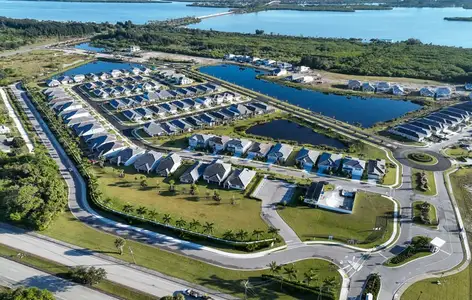

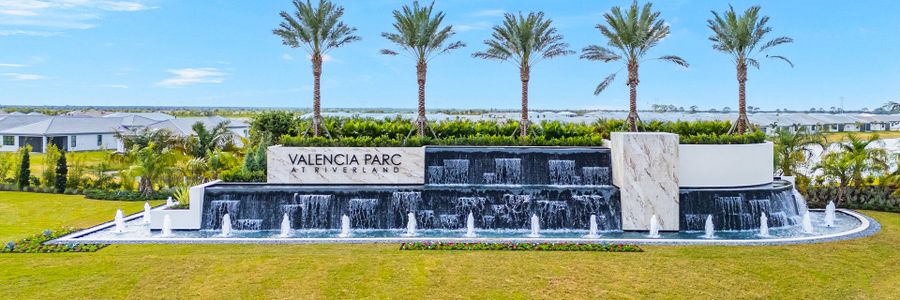
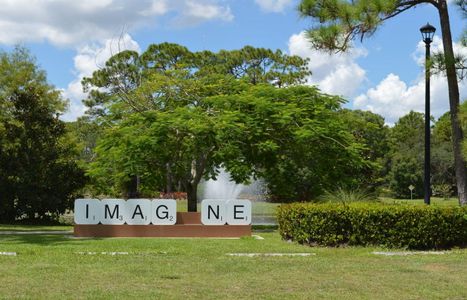
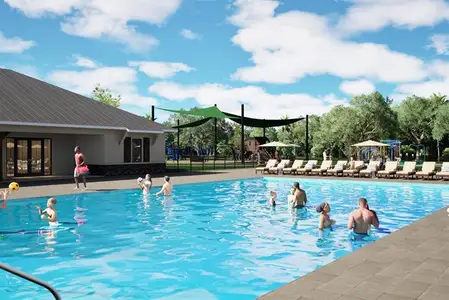
Master planned communities in Treasure Coast


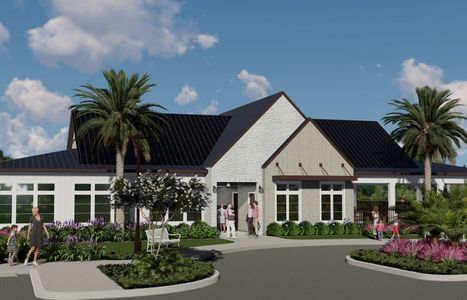
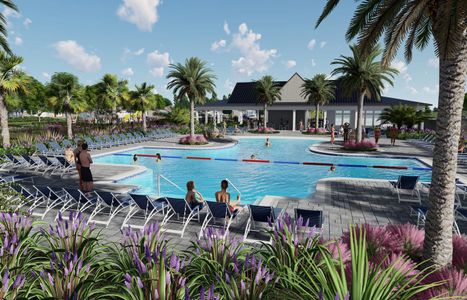


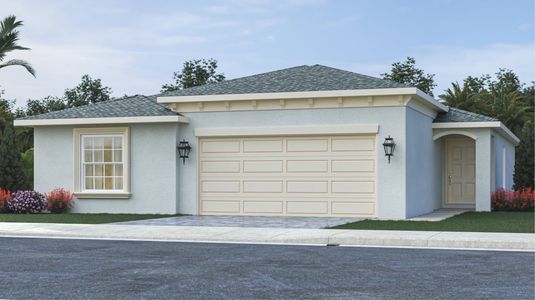


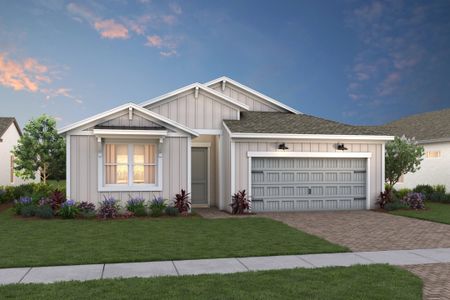


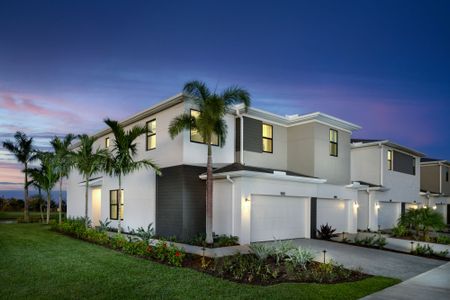


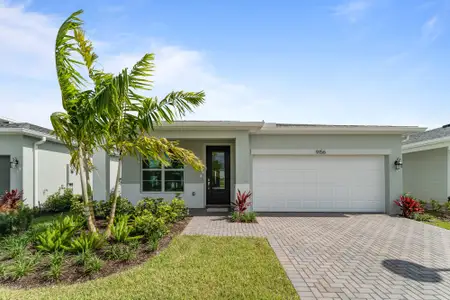

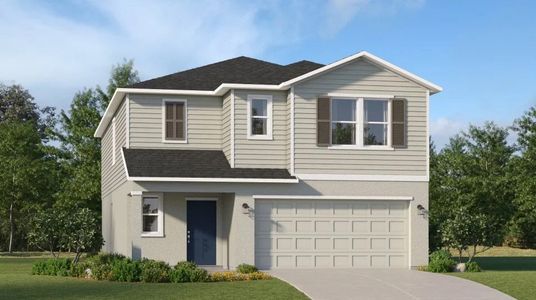
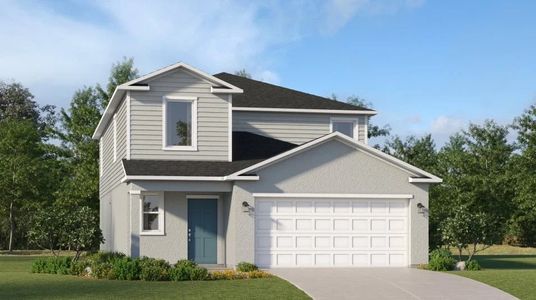
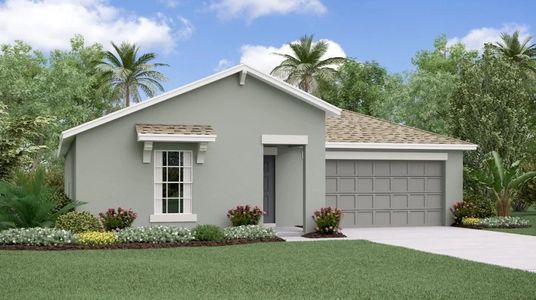
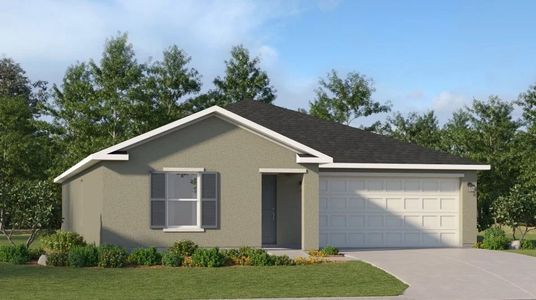
Browse communities & homes in Treasure Coast cities
Real estate in Treasure Coast
As of early 2026, the Treasure Coast real estate market stands out as a haven of affordability and growth on Florida's eastern seaboard. With a median home price stabilizing near $405,000, this region continues to draw buyers seeking relief from the higher costs of Miami and Palm Beach. The market has shifted into a balanced phase, fueled by a robust pipeline of new construction, particularly in rapidly expanding hubs like Port St. Lucie. For prospective homeowners, this increased inventory means more choices and less pressure. The surge in modern, code-compliant new builds offers a distinct advantage, providing lower insurance premiums and energy costs compared to older coastal stock. Combined with statewide incentives like the Florida Hometown Heroes program, the Treasure Coast offers a unique opportunity to secure a coastal lifestyle without the premium price tag.
Newly released communities


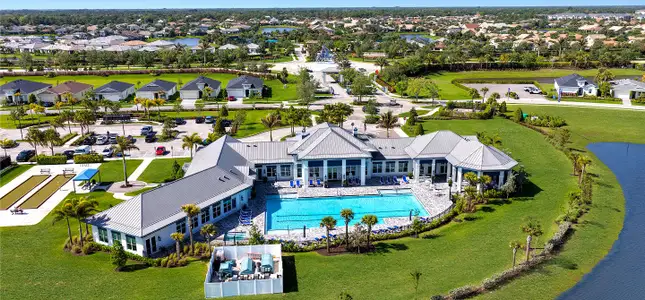
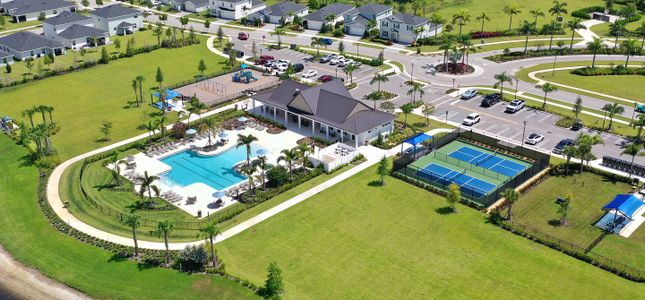
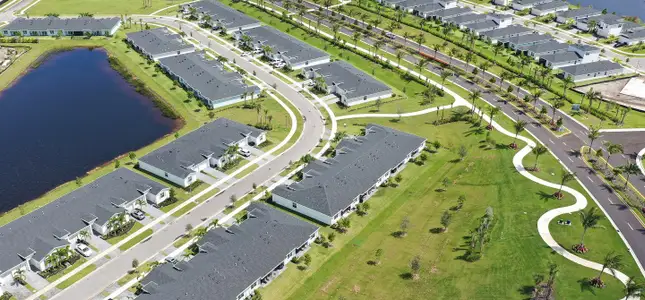
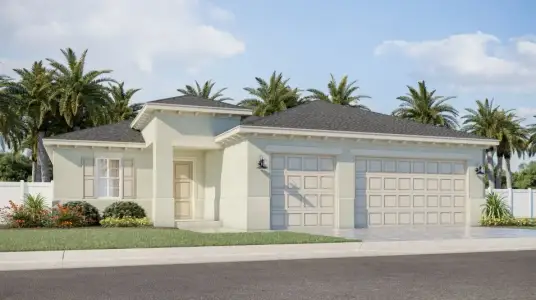
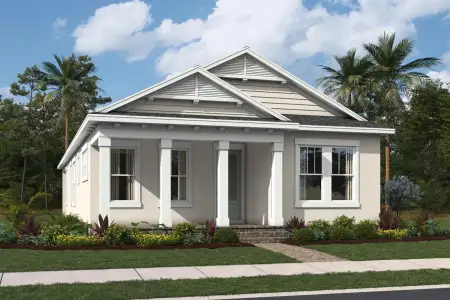
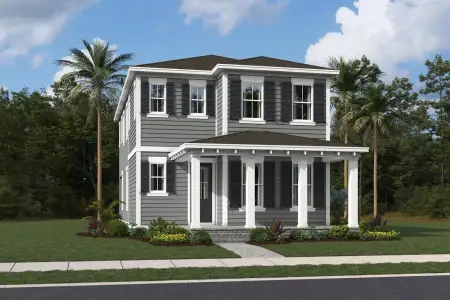
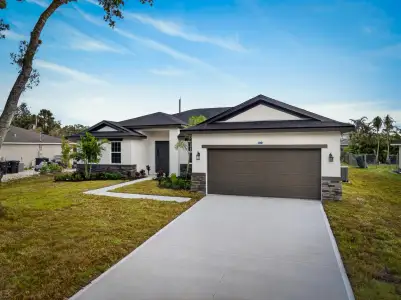
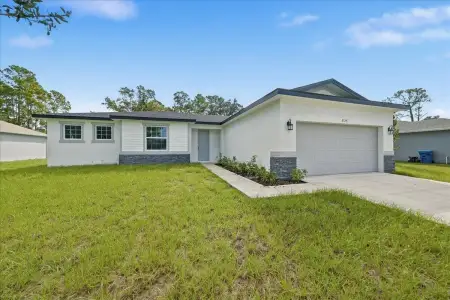
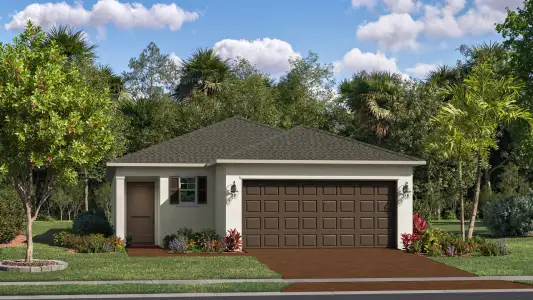
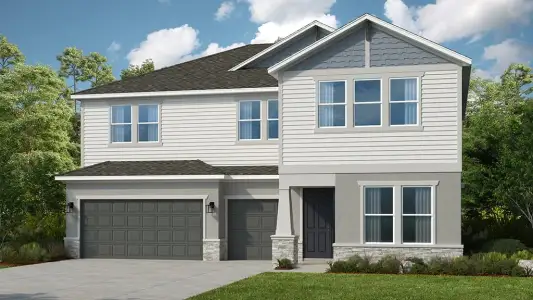
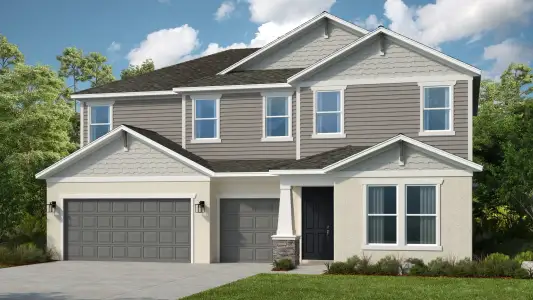
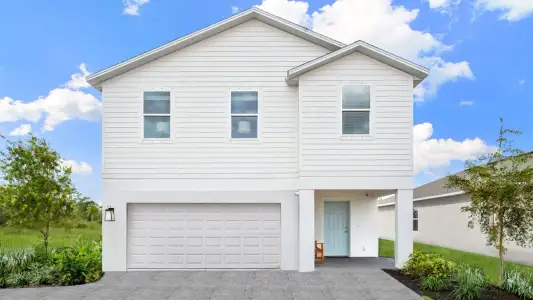
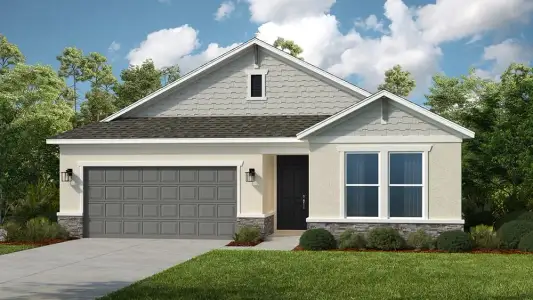
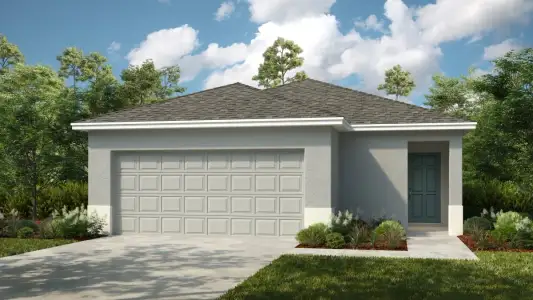
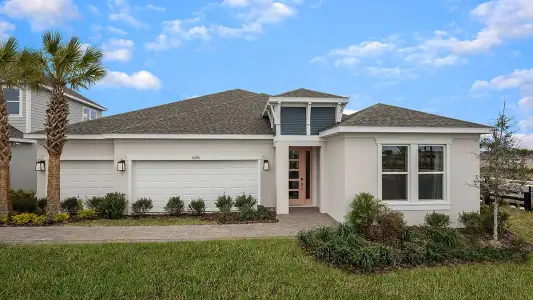
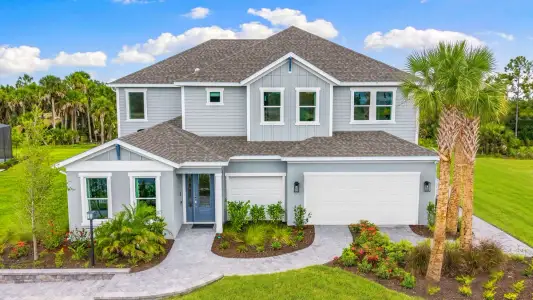
Recently listed homes
Recently published floor plans
The most popular new construction builders in Treasure Coast






How does Treasure Coast, FL compare to other real estate markets in Florida?
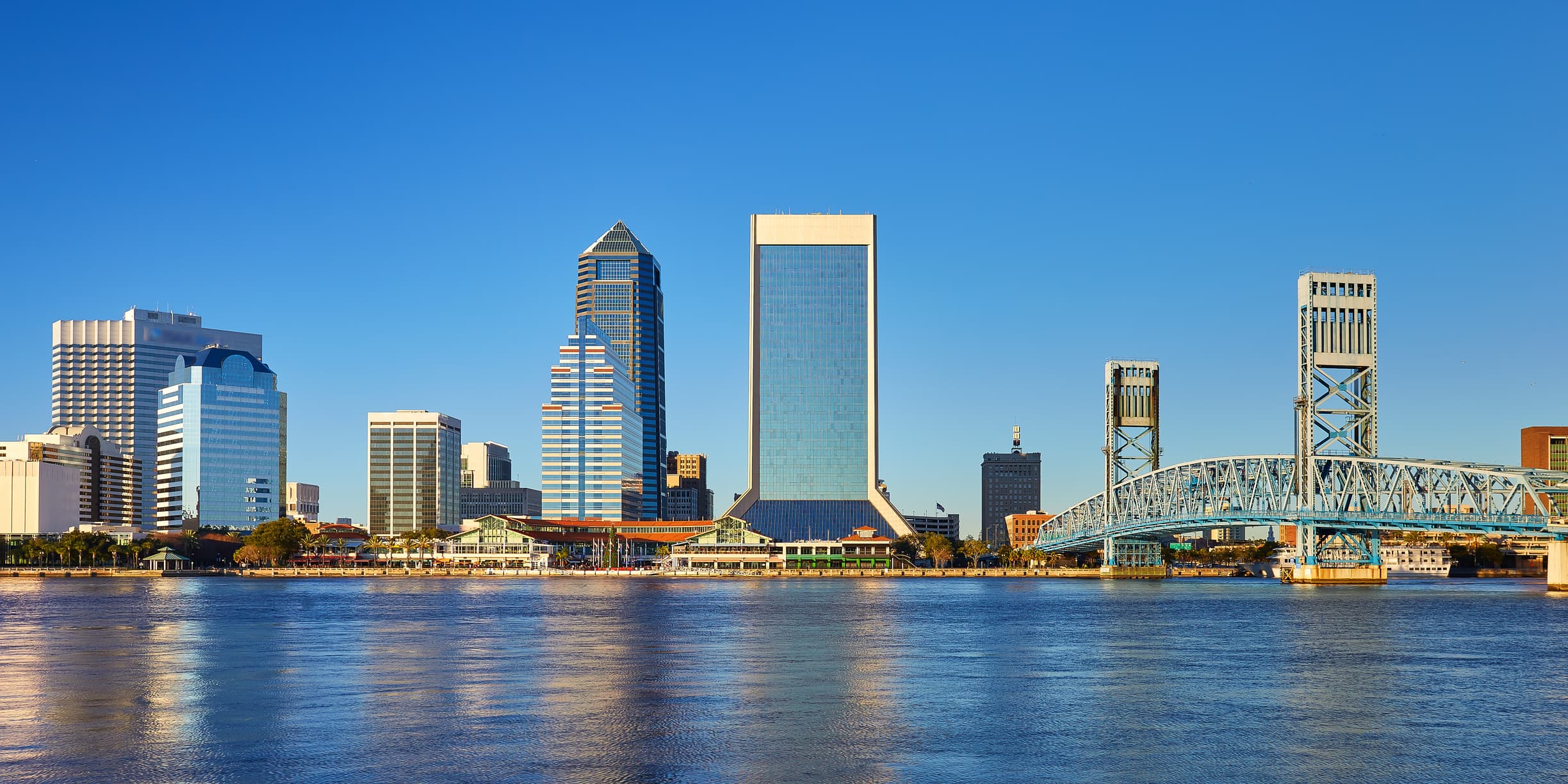 Jacksonville Metropolitan Area2,566 homes34% more homes than in Treasure Coast, FL25% lower median price
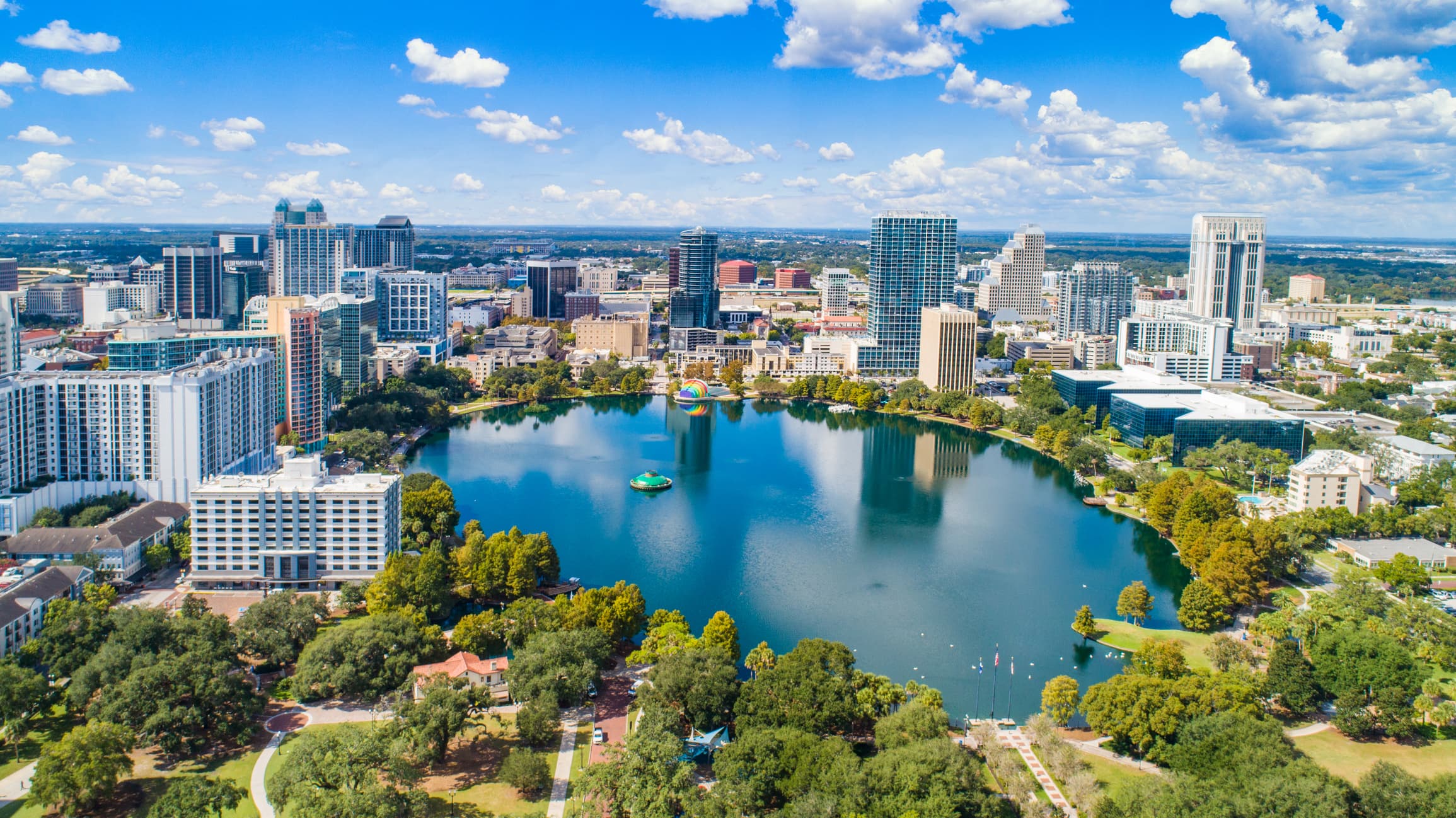 Greater Orlando Area7,527 homes293% more homes than in Treasure Coast, FL20% lower median price
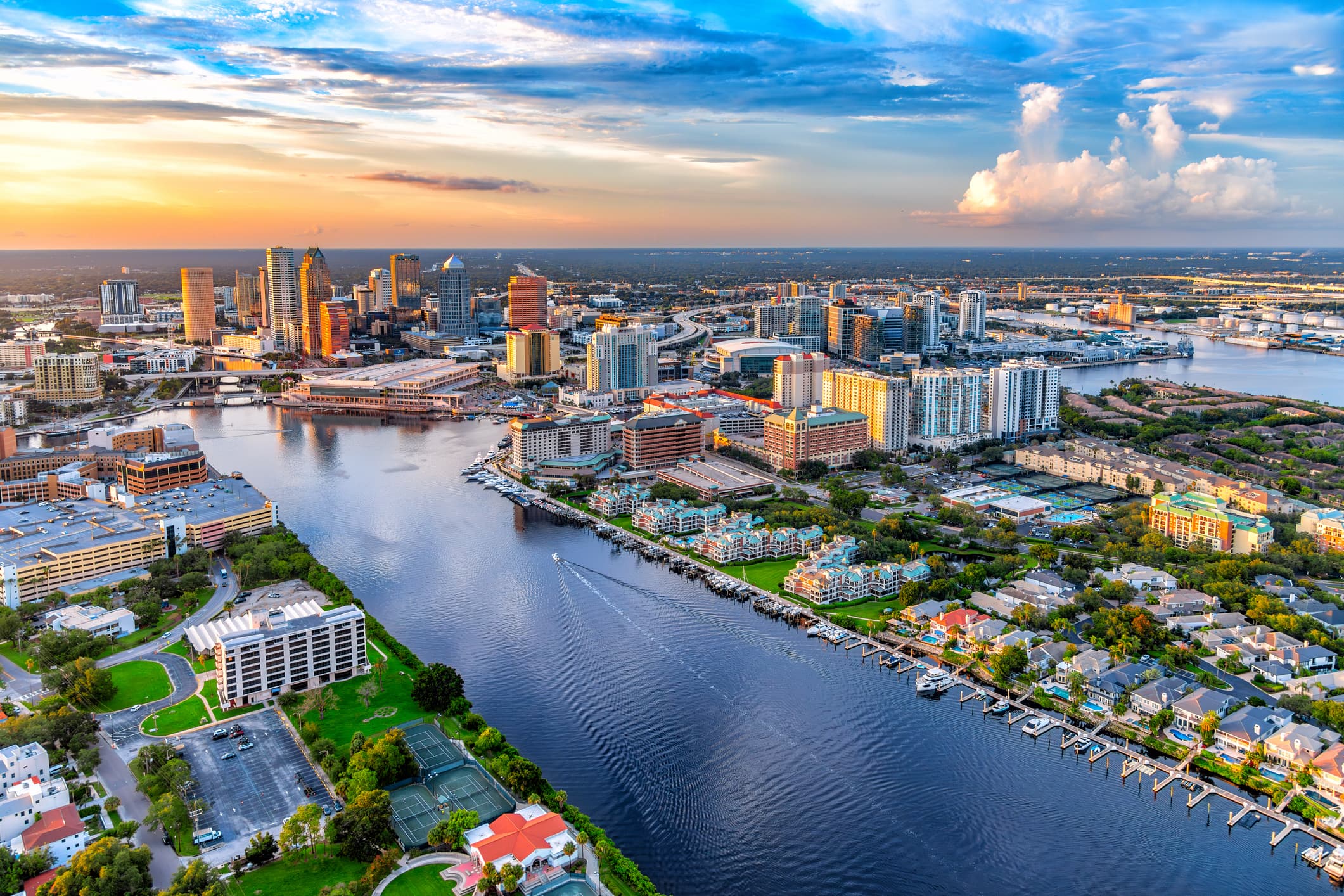 Tampa Bay Area7,500 homes291% more homes than in Treasure Coast, FL8% lower median price
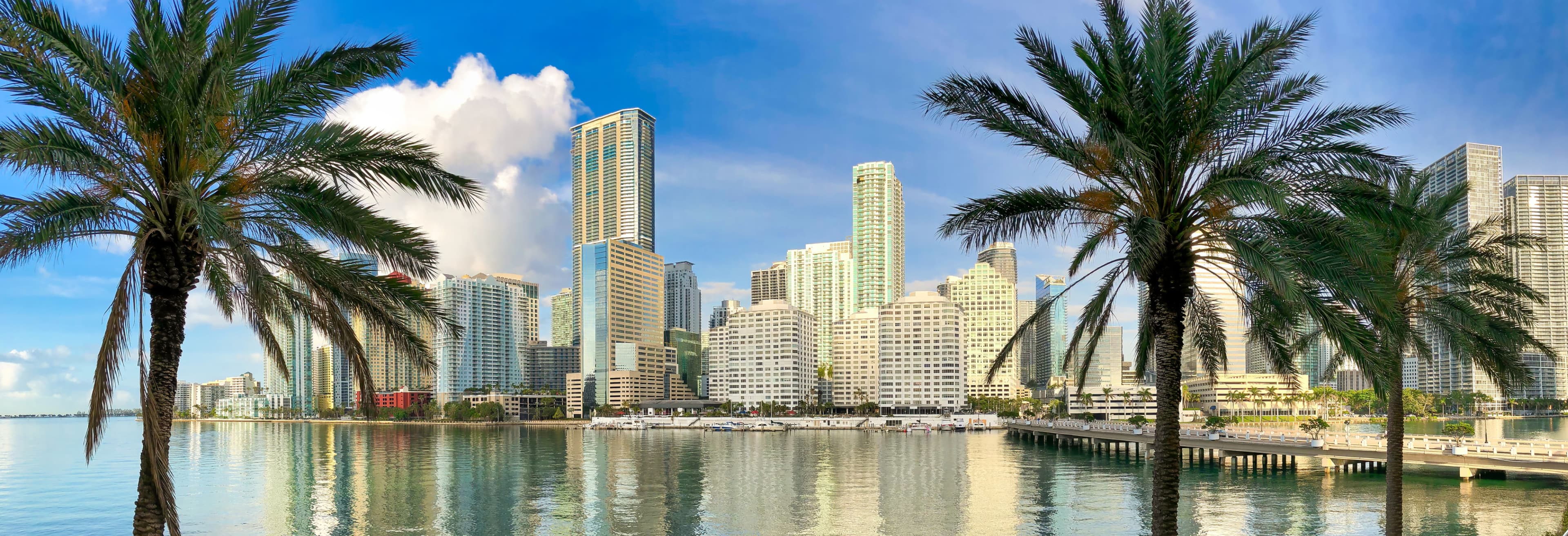 Miami Metropolitan Area3,953 homes106% more homes than in Treasure Coast, FL244% higher median price
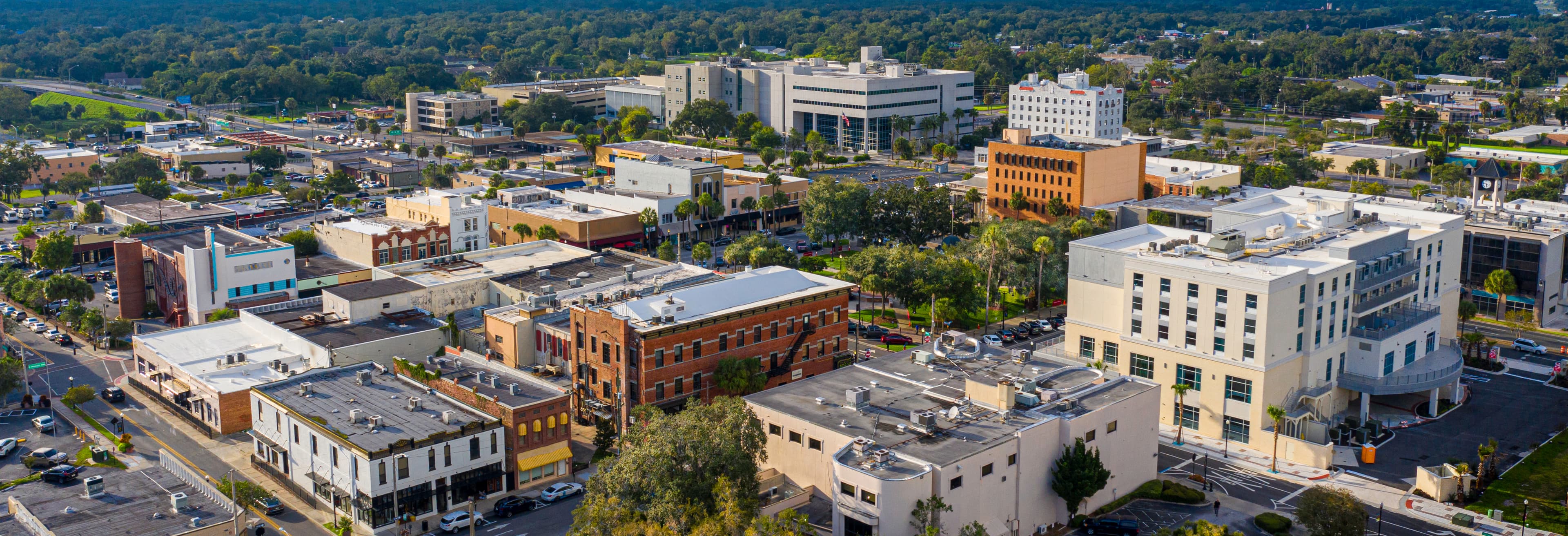 Gainesville–Ocala Area3,284 homes71% more homes than in Treasure Coast, FL39% lower median price
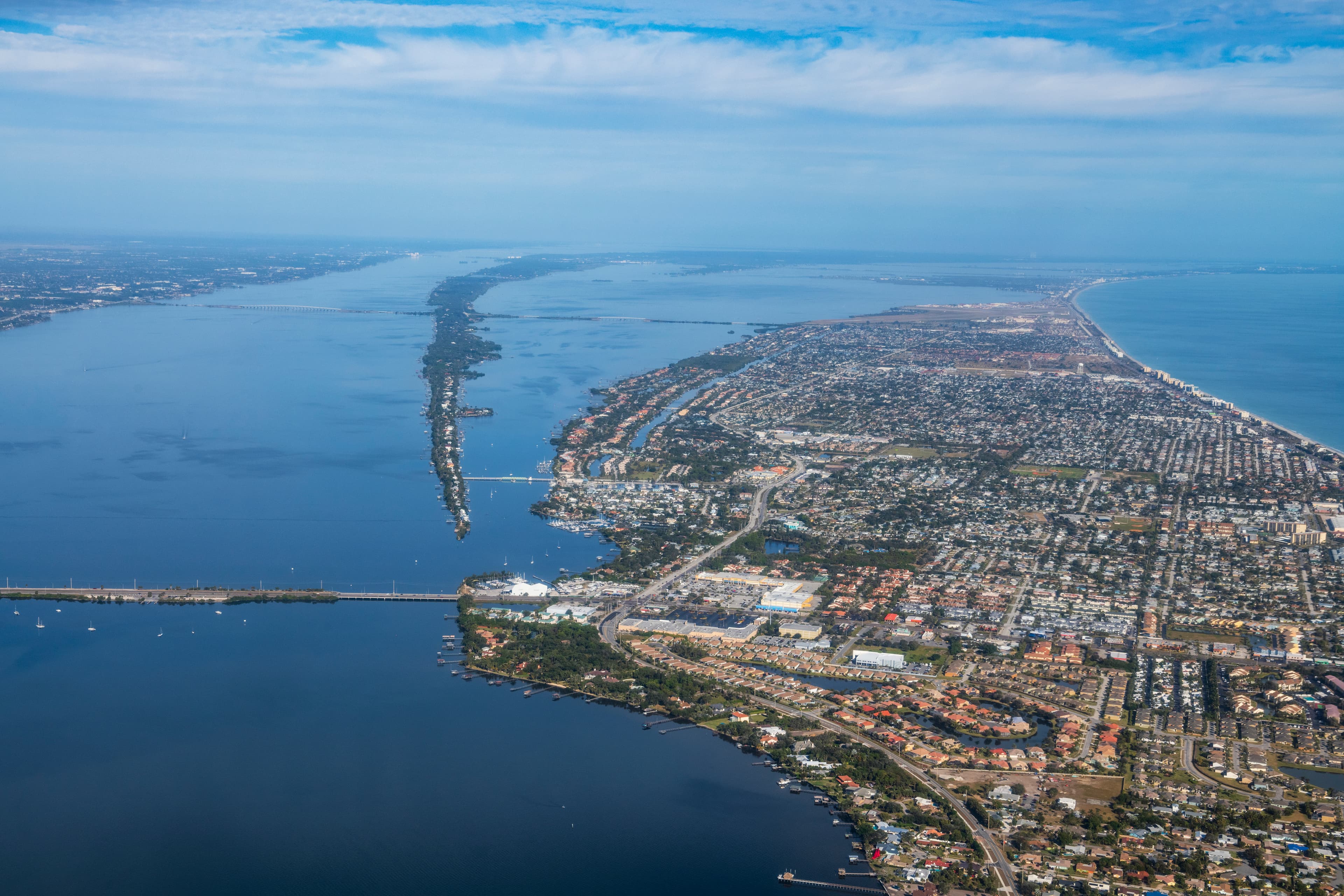 Space Coast873 homes54% less homes than in Treasure Coast, FL26% lower median price
Read about new construction on Jome blog

Frequently asked questions
What is the current median sale price for a property in Treasure Coast?
In the Treasure Coast, prospective homeowners can expect a median sale price of $506,900, according to the latest data from August 2026. This price reflects a market of 1916 newly constructed homes, each brought to life by one of 29 skilled building teams.
Who are the major developers of new construction homes in Treasure Coast?
The landscape of new homes in Treasure Coast is shaped by the work of Mattamy Homes, D.R. Horton, Lennar, GL Homes and Holiday Builders. These developers offer a range of new construction options across the area.
What are the "Assessments" I hear about in Port St. Lucie?
If you buy a "scattered lot" home in the older sections of Port St. Lucie, you need to ask about the City Water & Sewer Expansion. The city is actively converting neighborhoods from septic tanks to city sewer, and homeowners are often hit with a hefty assessment (sometimes $10,000+) to connect. The advantage of buying in a new master-planned community or a newer phase of construction is that these utilities are usually already installed and included in the price, protecting you from surprise infrastructure bills later. To avoid the septic headache, look for new homes with city Water & Sewer.
Why is Port St. Lucie so popular right now?
It comes down to the "Palm Beach Price Gap." A brand-new, 4-bedroom home in Port St. Lucie typically costs $200,000 less than a comparable home just 45 minutes south in Palm Beach County. For thousands of families, this math makes the commute down I-95 worth it. You are essentially trading drive time for equity. Additionally, unlike the congested south, the Treasure Coast still feels spacious, offering larger lots and less traffic while keeping you close to the ocean. To see how far your money stretches here, compare our listings of Affordable New Homes in Port St. Lucie.
Is it better to buy in Stuart or Port St. Lucie?
Think of Stuart as the boutique option and Port St. Lucie as the volume option. Stuart (Martin County) is famous for its strict growth controls, "Old Florida" charm, and excellent schools, making it significantly more expensive and exclusive with limited new inventory. Port St. Lucie (St. Lucie County) is pro-growth, offering thousands of new construction options at entry-level prices. If your budget allows for a premium coastal lifestyle, Stuart is the winner; for maximum square footage and modern value, focus on New Construction in St. Lucie County.
What is the difference between "Tradition" and the rest of Port St. Lucie?
This is the most critical decision you will make. Tradition is a massive master-planned "town within a town" featuring autonomous shuttles, town centers, and resort amenities—but it comes with HOA and CDD fees that can add significantly to your monthly payment. The rest of Port St. Lucie consists largely of "scattered lot" homes. These are brand-new houses built on individual streets with no HOA and no CDD fees, giving you total freedom to park a boat or RV in your driveway. If you want the lifestyle, choose Tradition; if you want low monthly costs and freedom, search for No HOA New Homes in Port St. Lucie.
Is Vero Beach just for retirees?
Historically, yes, but that is changing rapidly in 2025. While the barrier island remains a wealthy retirement enclave, the mainland of Vero Beach is seeing a surge of family-friendly new construction. Buyers are discovering that Indian River County offers a quieter, less congested pace of life than Port St. Lucie, often with slightly lower property taxes. New communities are popping up west of I-95 that cater specifically to young families and remote workers who want the beach lifestyle without the "South Florida" intensity. Explore the shifting demographic at New Family Communities in Vero Beach.