
 Low 3.5% downFirst-time buyer friendly
FHA loans: buy a home with just 3.5% down
What are FHA loans?
FHA loans are government-backed mortgages designed to help more Americans achieve homeownership. With down payments as low as 3.5% and more flexible credit requirements than conventional loans, FHA loans are the stepping stone many first-time homebuyers need.
Did you know? With an FHA loan, you could buy a $280,000 home with just $9,800 down!
 Minimum down payment of 3.5%
 Mortgage insurance included
 Easier approval with government backing
FHA loan limits & how to qualify
FHA loan limits aren't one-size-fits-all, they're set by county and adjusted annually to reflect local housing prices. In 2025, limits started at around $524,225 in most areas and could exceed $1.2 million in high-cost regions like parts of California and New York. To qualify, your loan amount must fall within your local limit.
To qualify for an FHA loan, you'll typically need:
- A credit score of 580+ for a 3.5% down payment (or 500-579 for a 10% down)
- A debt-to-income ratio of 50% or less
- Steady employment, typically 2+ years in the same field
- The home to be your primary residence and meet FHA standards — and most new homes already qualify.
- Payment of upfront and annual mortgage insurance premiums (1.75% of loan amount)
Veteran or active-duty military?
A VA loan with 0% down and no mortgage insurance might be a better deal than FHA. Explore VA loans
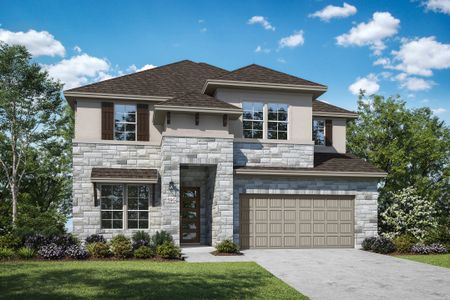
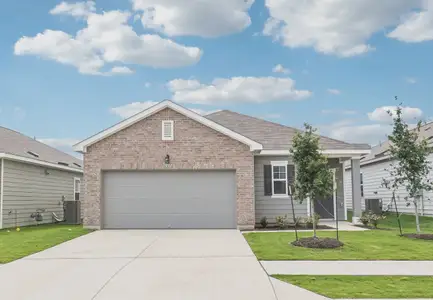
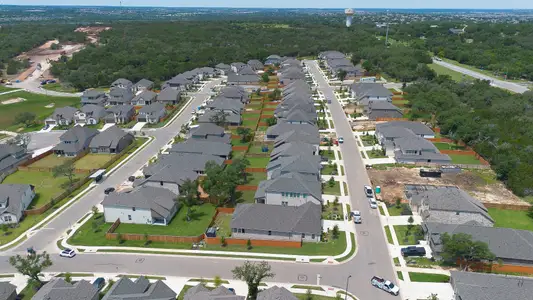
Most recent communities within FHA limits in

 Images coming soon
Okra Creek
by Brohn Homes, Manor, TX










Not sure where to start with a FHA loan?
From first question to keys in hand, our New Home Experts make it simple
Benefits and drawbacks of FHA loans
While FHA loans offer many advantages, it's important to understand their limitations as well.
- Low down payment
- As little as 3.5% down makes homeownership more achievable.
- Easier credit requirements
- Flexible guidelines help buyers with credit scores as low as 500 qualify.
- Competitive interest rates
- Government backing helps keep rates lower and more stable over time.
- Higher debt-to-income ratios allowed
- Buyers with up to 50% debt-to-income ratios may qualify.
- Assumable loan
- Future buyers can take over your loan terms, which is valuable in rising rate environments.
- Higher costs for well-qualified buyers
- Borrowers with strong credit may get better rates with conventional loans.
- Loan limits
- Maximum loan amounts may be too low for high-cost areas.
- Property requirements
- Easily met by new homes, but may limit options for older or fixer-upper properties.
- Primary residence only
- Can't be used for second homes or investment properties.
- Less competitive in hot markets
- Sellers may favor conventional offers due to faster closings and fewer conditions.
Calculate your FHA loan monthly payment
See how your loan, down payment, and rate come together
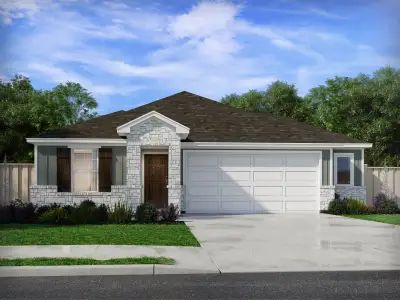
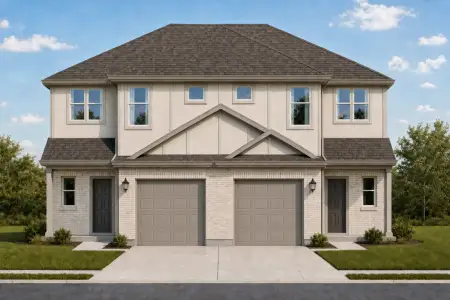
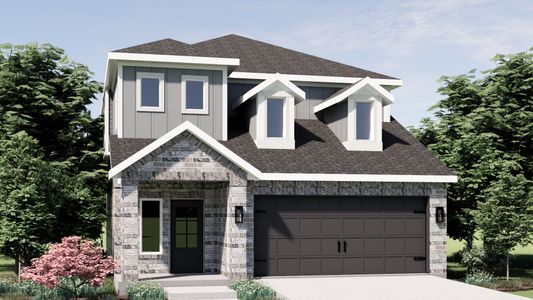
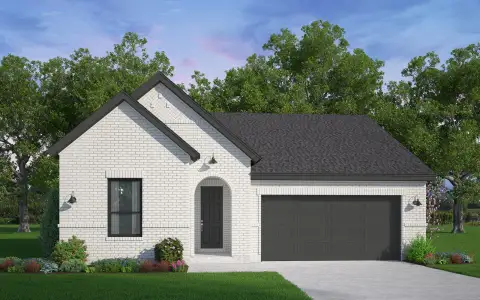
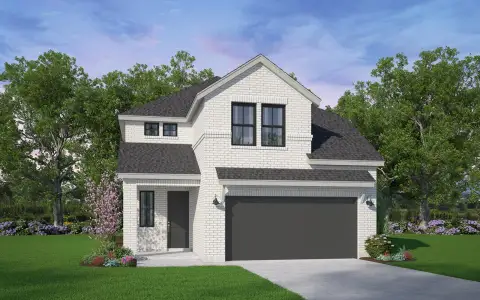
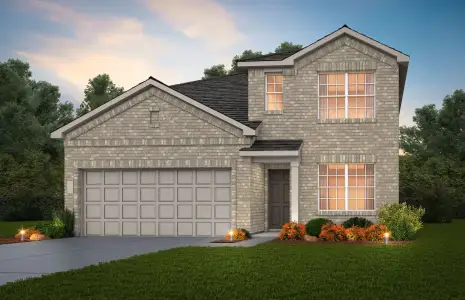
Most recent homes within FHA limits in








Popular builders in








Have questions or need help picking the right loan?
Talk to a New Home Expert for free, and get personalized guidance based on your situation.
Frequently asked questions
- What is the minimum credit score for an FHA loan?The minimum credit score for an FHA loan with a 3.5% down payment is 580. If your score is between 500 and 579, you may still qualify, but a 10% down payment is required. Some lenders may set higher standards.
- How much is the down payment for an FHA loan?With a credit score of 580 or higher, the minimum down payment is 3.5% of the home's purchase price. For scores between 500 and 579, you'll need a 10% down payment. These funds can come from your savings, gift funds, or approved down payment assistance programs.
- Do FHA loans require mortgage insurance?Yes. FHA loans require both an upfront mortgage insurance premium (UFMIP) of 1.75% of the loan amount (which can be rolled into the loan) and an annual mortgage insurance premium (MIP), paid monthly. The annual MIP ranges from 0.45% to 1.05%, depending on your loan details.
- How is an FHA loan different from a conventional loan?
- Lower down payment requirements (as low as 3.5% vs. 5-20%)
- Lower minimum credit scores (500-580 vs. 620+)
- Higher allowed debt-to-income ratios
- Mortgage insurance is required for most FHA loans for the life of the loan, while conventional loans can drop PMI after reaching 20% equity.
- What is mortgage insurance premium (MIP) on FHA loans?
- Can I use gift funds for my down payment?Yes. FHA loans allow 100% of your down payment to come from gift funds. Acceptable donors include family, close friends, employers, or approved organizations. The donor must provide a gift letter confirming the money is a gift, not a loan.
- How long does it take to get approved for an FHA loan?The FHA loan process typically takes 30-45 days from application to closing, similar to conventional loans. Timelines can vary depending on your documentation, lender workload, and how quickly you respond to requests. Getting pre-approved can help speed things up.
- Can I refinance an FHA loan?
- FHA Streamline Refinance: For current FHA loans, requires minimal paperwork and no appraisal.
- FHA Cash-Out Refinance: Lets you access your home equity.
- FHA Simple Refinance: For those who want to change their rate or term without taking cash out.
- Are there limits to how much I can borrow with an FHA loan?Yes. FHA loan limits vary by county and are based on local home prices. For 2025, single-family home limits generally range from $472,030 to $1,089,300.
- Can I get an FHA loan after bankruptcy or foreclosure?
- Chapter 7 bankruptcy: 2 years from discharge.
- Chapter 13 bankruptcy: 12 months of on-time payments with court approval.
- Foreclosure: 3 years from completion.
- Can I remove the mortgage insurance on an FHA loan?For FHA loans originated after June 3, 2013, with less than 10% down, MIP is required for the life of the loan. If you put down 10% or more, MIP can be removed after 11 years. To remove MIP sooner, you'll need to refinance into a conventional loan once you have at least 20% equity.
- Are there income limits for FHA loans?No, FHA loans do not have income limits. However, you must show enough income to cover your mortgage and other debts. Most lenders look for a debt-to-income ratio of 43% or less, though exceptions can be made.

Your perfect home is still out there!
Check out nearby options or take our quick quiz to find your perfect match.