
Denver Metropolitan Area new construction market: prices, trends, guides & homes as of October 2026
How much does a new home in Denver Metropolitan Area cost?
How are new home prices changing in Denver, CO?
Home price data reflects current listings in Denver Metropolitan Area, Colorado, sourced from Jome and updated regularly
*Based on Jome markets

Get free consultation with Denver Metropolitan Area expert
Get a free, no-pressure consultation with our top Denver Metropolitan Area new-construction expert. They know every major builder, the best deals and incentives, and exactly what's happening in the local new-construction market.
Denver Metropolitan Area market overview
- Overall inventory3,479
- Single-family inventory2,900
- Townhouse inventory307
- Condo inventory81
- Multi-family inventory57
- Penthouse inventory6
- 1 bed inventory30
- 2 beds inventory405
- 3 beds inventory1,756
- 4+ beds inventory1,288
- Median home price$574,992.5
- Median sqft price$286.84
- Median 1 bed price$410,580
- Median 2 beds price$457,990
- Median 3 beds price$549,990
- Median 4+ beds price$674,990
- Min listing price$256,990
- Max listing price$7,495,000
- Min community price$289,990
- Max community price$3,667,726
Denver Metropolitan Area median price change
| Month | Median price | Change |
|---|---|---|
| October 2025 | $599,950 | - |
| November 2025 | $600,000 | +0.01% |
| December 2025 | $599,900 | -0.02% |
| January 2026 | $595,255 | -0.77% |
| February 2026 | $599,100 | +0.65% |
| March 2026 | $605,000 | +0.98% |
What are the most popular buyers' searches?
What it's like to live in Denver Metropolitan Area?
The Denver metro operates as the Rocky Mountain region's economic capital and America's most expensive mountain market, where the 10-county region with 3 million residents has experienced explosive growth adding 750,000 people since 2010 as workers discovered outdoor recreation paradise with 300 days of annual sunshine, tech sector boom earned "Silicon Mountain" designation as companies including Google, Amazon, Lockheed Martin Space Systems, and hundreds of startups discovered Denver's educated workforce and quality of life, where aerospace and defense employment through Lockheed Martin (employing 7,000), Raytheon, Northrop Grumman, Ball Aerospace, and contractors supporting military installations create high-wage engineering positions, where federal government employment through military bases, regional offices, and agencies provides stable public sector jobs, where energy sector including oil and gas headquarters, renewable energy companies, and natural resources employs thousands despite industry volatility, where healthcare employment through UCHealth, Intermountain Health (formerly SCL Health), HealthONE, and major systems serves metro needs, where tourism serving 90 million annual visitors to Colorado's mountains, ski resorts, Rocky Mountain National Park, and outdoor recreation employs tens of thousands, where legal marijuana industry created economic sector employing thousands since 2012 legalization, where higher education through University of Colorado campuses, Colorado School of Mines, University of Denver, and various institutions employs faculty and students creating educated workforce, and where this economic diversity, outdoor recreation access, educated population, and "Blueprint for America" progressive culture distinguish Denver as the Mountain West's most dynamic and expensive metro.
However, this explosive growth has transformed Denver from affordable mountain alternative into one of America's most expensive markets where appreciation of 70% to 95% from 2015 to 2024 in many submarkets has completely eliminated the affordability that once attracted migration, where quality new construction ranges $550,000 to $900,000 in desirable suburban locations (exceeding Seattle, approaching San Francisco suburbs, matching Boston outskirts), where premium Denver neighborhoods including Cherry Creek, Washington Park, Highlands, and Boulder command $850,000 to $5 million-plus, where median household income of $85,000 cannot remotely afford median home price approaching $630,000 creating disconnect only explainable by California equity refugees, tech workers, and wealthy transplants bringing outside capital, where traffic congestion on I-25, I-70 (mountain corridor), and metro highways has worsened dramatically despite light rail investment, where property taxes run 0.5% to 0.7% of assessed value but reassessment cycles create jumps, where Colorado's 4.4% flat income tax eliminates $4,400 annually per $100,000 income though marijuana tax revenue offsets somewhat, where property insurance costs remain moderate at $2,000 to $3,600 annually given mountain location though hail storms create risks, where "300 days of sunshine" marketing obscures reality that Front Range experiences extreme weather including blizzards, hail, tornadoes, and wildfire smoke, where water scarcity threatens long-term sustainability as population growth outpaces Colorado River and South Platte supplies, where altitude sickness, extreme UV exposure, and dry climate affect newcomers, and where the trade-offs involve accepting that Denver offers unmatched outdoor recreation access to skiing, hiking, climbing, and mountain lifestyle within 30 to 90 minutes, escape from coastal costs (though barely), educated progressive culture, thriving craft beer and marijuana scenes, four genuine seasons with 300 days of sunshine, and economic opportunity, but delivers these benefits with costs exceeding most American metros, traffic destroying mountain access on I-70 weekends, extreme weather limiting the outdoor paradise marketing promises, working-class complete exclusion, homeless crisis in downtown, and rapid growth overwhelming infrastructure in what has become America's most expensive outdoor recreation boomtown where California refugees discovered Colorado creating appreciation that made Denver unaffordable for working Coloradans.
Why California exodus, tech sector growth, and outdoor recreation obsession create expensive mountain market
Denver's economic foundation rests on diversified employment spanning aerospace/defense, technology, federal government, energy, healthcare, tourism, and marijuana industries, combined with massive California migration and outdoor recreation culture creating demand dynamics fundamentally different from other regions.
The California exodus represents Denver's dominant demographic trend transforming the market. Over 150,000 net California migrants since 2010 brought equity, incomes, and housing expectations that made Denver unaffordable. These migrants—fleeing California's extreme costs, taxes, traffic, and congestion while seeking outdoor recreation, four seasons, and slightly lower costs—sold $850,000 California homes purchasing $650,000 Denver properties, banking $200,000 difference while gaining mountain access and somewhat larger homes. However, the massive California influx drove 80% to 95% appreciation in many Denver suburbs 2015-2024, brought traffic congestion rivaling what Californians fled, increased housing costs to levels approaching departure cities, and created cultural tensions as native Coloradans resented California license plates, wealthy transplants driving appreciation, and "Californication" of Colorado changing character. "Native" bumper stickers and "Don't California my Colorado" sentiment reflects tensions. California equity refugees and high-wage tech workers made Denver unaffordable for working Coloradans earning Colorado wages.
Technology sector growth as "Silicon Mountain" attracted companies discovering Denver's educated workforce (31% bachelor's degrees or higher versus 33% nationally), outdoor recreation culture attracting talent, and moderate costs relative to Silicon Valley or Seattle. Google operates Boulder campus employing several thousand, Amazon maintains operations, Lockheed Martin Space Systems (employing 7,000 in satellite and space technology), numerous startups including Guild Education (education benefits platform), Ibotta (mobile rewards), SendGrid (email platform, acquired by Twilio), and hundreds of software companies employ tech workers earning $90,000 to $180,000. However, Denver tech salaries run 20% to 30% below Bay Area while Denver housing appreciated to levels approaching or exceeding less-expensive tech hubs like Austin, eliminating "affordable tech alternative" narrative. Remote workers maintaining coastal salaries relocated during pandemic, purchasing $600,000 to $1.2 million homes finding costs still below Bay Area though questioning whether Denver's costs justify mountain access when traffic makes reaching mountains challenging.
Aerospace and defense employment includes Lockheed Martin Space Systems (one of Denver's largest private employers at 7,000, developing satellites and space technology), Raytheon Missiles & Defense, Northrop Grumman, Ball Aerospace (developing space instruments and systems), and contractors supporting Buckley Space Force Base, Schriever Space Force Base (Colorado Springs, 60 miles south, but many employees live Denver metro), and Peterson Space Force Base create concentrated aerospace cluster. Aerospace engineers earn $95,000 to $160,000, senior engineers and technical leads earn $130,000 to $200,000-plus. The space focus positions Colorado as national hub rivaling California and Alabama aerospace concentrations.
Federal government employment through military installations (Buckley Space Force Base east of Denver, Fort Carson in Colorado Springs), regional offices, U.S. Mint, Federal Reserve Bank, National Renewable Energy Laboratory (NREL in Golden), and various agencies employ tens of thousands in positions paying $50,000 to $130,000 providing stable employment continuing through economic cycles.
Energy sector includes oil and gas companies (Chevron, Ovintiv, Extraction Oil & Gas, though industry declined from peak with fracking controversies and transition to renewables), renewable energy companies, and natural resources employing workers in positions paying $65,000 to $150,000 though industry volatility creates boom-bust cycles affecting housing demand.
Healthcare employment through UCHealth (University of Colorado Health operating UCHealth University of Colorado Hospital and multiple facilities, employing 25,000 regionally), HealthONE (operating 11 hospitals including Rose Medical Center and Swedish Medical Center, employing 11,000), Intermountain Health Colorado (formerly SCL Health), and Children's Hospital Colorado totals 120,000-plus metro-wide. Nurses earn $68,000 to $98,000—solid salaries struggling with Denver housing starting at $480,000 affordable suburbs. Physicians earn $200,000 to $520,000, finding even high medical incomes strain to afford premium Cherry Creek, Washington Park, or Boulder locations where homes exceed $1.2 million-plus.
Tourism and outdoor recreation serving 90 million annual Colorado visitors generates massive economic impact. While most visitors access mountain ski resorts (Vail, Breckenridge, Aspen, Winter Park), Rocky Mountain National Park, and outdoor attractions outside metro, substantial numbers use Denver as gateway. Denver International Airport (DIA—sixth-busiest U.S. airport) serves as hub. Hotels, restaurants, outdoor gear retailers (REI flagship, hundreds of gear shops), and tourism services employ tens of thousands in positions paying $32,000 to $65,000—wages completely unable to afford Denver housing.
Higher education through University of Colorado Boulder (35,000 students, flagship campus 30 miles northwest of Denver), University of Colorado Denver and Anschutz Medical Campus (combined 24,000 students), Colorado School of Mines (Golden, elite engineering school, 7,000 students), University of Denver (12,000 students, private research university), Metropolitan State University, and various institutions employ tens of thousands faculty and staff though academic salaries ($58,000 to $145,000) struggle with Denver's appreciated housing.
The tax structure imposes Colorado's 4.4% flat income tax creating tax liability of $4,400 annually on $100,000 income, $8,800 on $200,000—moderate burden lower than California's 13.3% top rate attracting California refugees though higher than zero-tax states. Property taxes run 0.5% to 0.7% of assessed value (applied to 6.95% of actual market value for residential creating effective rates around 0.035% to 0.049% of market value)—low absolute percentages though reassessment cycles every two years create jumps when property values surge. On a $700,000 home, annual property tax bills range approximately $2,450 to $3,430—lower than most metros creating advantage. TABOR (Taxpayer Bill of Rights) constitutional amendment limits tax increases requiring voter approval, creating funding challenges for infrastructure and schools.
Sales tax runs 7.25% to 11.2% across metro—among nation's highest—with state collecting 2.9%, RTD (Regional Transportation District) adding 1%, counties adding 0.75% to 3%, and cities adding 3% to 5%, creating combined burden particularly in Denver proper reaching 8.81%.
The cost of living has increased catastrophically, making Denver among America's most expensive non-coastal metros. Quality new construction ranges $550,000 to $900,000 in desirable locations including Highlands Ranch (southern Douglas County, master-planned, family-oriented, top schools), Lone Tree and Castle Rock (southern I-25 corridor, affluent, growing), Arvada and Westminster (northwest Jefferson County, more affordable, family-oriented), Parker (southeast, affluent, top schools), Littleton and Centennial (south metro, established, good schools), Aurora (east, diverse, more affordable though varying quality), Broomfield (north, tech employment, family-oriented), and areas throughout sprawling metro. Premium locations including Cherry Creek (Denver's wealthiest neighborhood, luxury shopping, $1.2 million to $8 million), Washington Park (established, walkable, tree-lined, $850,000 to $3 million), Highlands (trendy, gentrified, walkable, $750,000 to $2.5 million), Capitol Hill (urban, diverse, $600,000 to $2 million), and Boulder (separate city 30 miles northwest, ultra-expensive, $850,000 to $5 million-plus) command highest prices. Downtown Denver condos range $350,000 to $2 million-plus. The appreciation has been explosive and devastating—70% to 95% from 2015 to 2024 in many suburbs, 60% to 85% even in outer areas, 90% to 120% in hot neighborhoods like Highlands and RiNo (River North Arts District). Homes selling for $320,000 in 2015 now require $600,000-plus. Working-class and middle-class earning Denver wages face complete exclusion.
The climate delivers four genuine seasons with 300 days of sunshine—Denver's most-marketed feature. However, the reality proves more complex than marketing suggests. Winters bring cold with average January highs 45°F, lows 18°F, and 60 inches annual snowfall though most melts within days given intense sunshine. Occasional blizzards dump 2 feet creating temporary paralysis. Spring brings extreme weather variability—70°F one day, blizzard the next—plus severe storms, tornadoes on eastern plains, and hail (Denver experiences more hail damage than almost any U.S. city, with golf ball-sized hail common damaging cars and roofs). Summer provides gorgeous weather with 80°F to 95°F highs, low humidity, afternoon thunderstorms, though wildfire smoke increasingly affects air quality July through September as Western wildfires worsen with climate change. Fall delivers perfect weather with golden aspens in mountains. The altitude (5,280 feet—"Mile High City") affects newcomers causing altitude sickness, dehydration, extreme UV exposure requiring sunscreen year-round, and alcohol affecting people more strongly than sea level. The dry climate (15 inches annual precipitation) creates constant dehydration, bloody noses, chapped lips, and static electricity requiring adjustment for migrants from humid regions. Water scarcity represents existential threat—Denver draws water from Colorado River (facing 20-year megadrought), South Platte River, and snowpack runoff, but population growth outpaces supplies, climate change reduces snowpack, and competing demands from agriculture create tensions. The "300 days of sunshine" marketing obscures that many sunny days occur during freezing winters or come with extreme weather events limiting outdoor activities the sunshine implies.
Understanding Denver by buyer profile and California exodus dynamics
Denver's explosive growth, California migration dominance, outdoor recreation obsession, and tech sector emergence create buyer profiles where California equity refugees drive appreciation while working Coloradans face exclusion from the outdoor paradise they call home.
For California Equity Refugees and Coastal Migrants: California migrants represent Denver's dominant buyer segment driving catastrophic appreciation. These buyers—typically ages 28 to 65 earning $95,000 to $250,000-plus—sold $850,000 to $1.5 million California homes (modest properties in Bay Area, San Diego, Los Angeles) purchasing $600,000 to $1.1 million Denver properties, banking $250,000 to $400,000 difference while gaining mountain access, four seasons, slightly larger homes, and escape from California crowds. They purchase throughout metro prioritizing mountain views (foothills locations command premiums), proximity to outdoor recreation, good schools (Douglas County schools, Boulder Valley, Cherry Creek Schools), or urban walkability (Highlands, Capitol Hill, Washington Park). California migrants bring housing expectations calibrated to departure markets—$750,000 for 2,400 square feet with mountain views feels like bargain compared to $1.3 million for 1,400 square feet in Bay Area—making them willing to pay prices native Coloradans consider insane. However, many discover I-70 mountain corridor weekend traffic rivals California freeways they fled (3-hour drives to Summit County ski resorts 75 miles away during powder days), Denver housing costs approach departure cities eliminating expected savings, altitude and dry climate prove challenging, and endless sunny marketing obscures that winters still cold, blizzards occur, and wildfire smoke increasingly affects summers. Some "half-back" returning to California discovering Colorado trade-offs unsustainable, though most remain accepting costs for mountain access and escape from California's 13.3% tax (Colorado's 4.4% saves $8,700 annually on $100,000 income).
For Tech Workers and "Silicon Mountain" Professionals: Google Boulder, Lockheed Martin Space Systems, Amazon operations, and hundreds of startups employ software engineers, aerospace engineers, and tech professionals earning $90,000 to $180,000. These workers purchase homes from $550,000 to $950,000 in locations including Boulder (tech hub though extremely expensive, $850,000-plus entry), Broomfield (tech employment, reasonable costs $600,000 to $850,000), Louisville and Superior (between Boulder and Denver, expensive $700,000-plus), Westminster and Arvada (northwest, more affordable $550,000 to $750,000), or Denver urban neighborhoods (Highlands, LoHi, RiNo, $650,000 to $1.5 million). However, Denver tech workers face challenges—tech salaries run 25% to 35% below Bay Area while Denver housing appreciated to levels approaching expensive tech hubs, eliminating "affordable tech alternative" narrative. Dual-income tech households where both spouses work creating combined $180,000 to $320,000 represent highest earners, purchasing homes from $800,000 to $1.8 million. Remote workers maintaining coastal tech salaries fare better, purchasing $700,000 to $1.4 million homes finding costs still below Bay Area though questioning whether Denver's appreciation justified mountain access when I-70 traffic makes weekend skiing ordeals.
For Outdoor Recreation Obsessed Lifestyle Migrants: Denver attracts substantial migration from people prioritizing outdoor recreation above career or income maximization—climbers, skiers, mountain bikers, trail runners, and outdoor enthusiasts seeking proximity to recreation. These buyers—often ages 25 to 45 earning $60,000 to $120,000 in various jobs (tech, healthcare, service industries, outdoor industry employment at REI, Patagonia, ski companies, guiding services)—relocated specifically for mountain access, accepting income reductions to live near recreation. However, many discover brutal reality that Denver's appreciation made mountain lifestyle financially unsustainable—homes they could afford push 45+ miles from mountains requiring commutes negating lifestyle goals, I-70 weekend traffic destroys spontaneous powder days, and working full-time jobs limits recreation more than expected. Some maintain Colorado presence working service industry or gig economy accepting low wages for lifestyle, though rising costs force many to mountain towns (Breckenridge, Vail, Steamboat) accepting tourism service wages or leaving Colorado entirely discovering outdoor paradise became unaffordable for working people.
For Aerospace and Defense Professionals: Lockheed Martin Space Systems' 7,000 employees plus Raytheon, Ball Aerospace, and contractor workers create concentrated aerospace buyer demand. Aerospace engineers earning $95,000 to $160,000 purchase homes from $550,000 to $850,000 primarily in southern suburbs (Littleton, Highlands Ranch, Lone Tree—closer to Lockheed Waterton Canyon facility), Aurora (diverse, more affordable, Buckley Space Force Base proximity), or Boulder County areas. Senior engineers and technical leads earning $140,000 to $220,000-plus purchase homes from $750,000 to $1.5 million in premium locations. Dual-income aerospace households where both spouses work tech or aerospace creating combined $190,000 to $350,000 purchase homes from $850,000 to $1.8 million. Aerospace workers represent stable buyer segment given long-term government contracts and space industry growth, though even high-wage engineers express frustration Denver costs approach expensive aerospace markets like Southern California or Seattle despite Colorado compensation running 10% to 20% lower.
For Healthcare Professionals Serving Rapid Growth: UCHealth, HealthONE, and various systems employ nurses, physicians, and medical staff. Nurses earning $68,000 to $98,000 face severe affordability challenges—a registered nurse earning $78,000 struggles qualifying for homes starting at $480,000 in affordable suburbs 40+ minutes from hospitals. Single-income nurse households face near-exclusion. Dual-nurse households earning combined $140,000 to $190,000 purchase homes from $550,000 to $800,000 in various suburbs accepting lengthy commutes. Physicians earning $200,000 to $520,000 purchase homes from $750,000 to $2.5 million in premium Cherry Creek, Washington Park, Boulder, or upscale suburbs. Healthcare workers express frustration Denver appreciation was so dramatic that even solid healthcare salaries struggle affording desirable areas while California migrants with equity easily outbid locals earning Colorado healthcare wages.
For Growing Families Navigating School District Complexity: School district quality varies dramatically requiring careful navigation. Douglas County Schools (southern suburbs including Highlands Ranch, Lone Tree, Castle Rock) maintain strong reputations though district faced controversies over board politics, Cherry Creek Schools (Greenwood Village, Centennial areas) rate highly, Boulder Valley School District excellent though Boulder costs prohibitive, Jefferson County Schools (Lakewood, Arvada, Westminster, Littleton) show varying quality requiring individual school research, and Denver Public Schools (DPS) show dramatic variation from excellent magnet schools and charters to struggling schools. Price points range from $550,000 in solid suburban areas with good schools to $900,000-plus in top Douglas County or Cherry Creek zones. Families achieving homeownership in desirable school zones typically represent dual-income professional households earning $150,000 to $260,000—tech workers, aerospace engineers, dual healthcare, or California migrants bringing equity. Working-class and moderate middle-class families earning $80,000 to $130,000 face exclusion from top school zones.
For Boulder Premium Market Buyers: Boulder commands Denver metro's highest prices given University of Colorado, tech employment, outdoor recreation access (Flatirons, mountain trails), progressive politics, and constrained supply from growth limits. New construction (extremely limited) exceeds $850,000, older homes in desirable areas start at $700,000, and premium properties near mountains or downtown exceed $2 million easily. Boulder attracts tech workers (Google Boulder, startups), wealthy professionals, CU faculty (though assistant professors earning $70,000 cannot afford Boulder requiring long commutes from surrounding areas), and affluent outdoor recreation enthusiasts accepting costs exceeding $1 million for mountain access and Boulder lifestyle. However, Boulder's expense creates situations where even high-earning professionals struggle—dual-income tech household earning combined $220,000 finds Boulder homes requiring $1.2 million-plus straining budgets despite six-figure incomes.
For Downtown Denver Urban Lifestyle Seekers: Downtown and close-in neighborhoods including LoHi (Lower Highlands—gentrified, trendy, walkable), RiNo (River North Arts District—industrial-turned-hip, breweries, art galleries), Capitol Hill (diverse, urban, historic), and Cherry Creek (upscale, luxury shopping) attract young professionals ages 25 to 40 seeking urban walkability. Condos and townhomes range $350,000 to $1.5 million depending on neighborhood and square footage. However, Denver's urban living proves challenging given car-dependent metro where walkability exists only in small pockets, homeless crisis in downtown with visible encampments, and reality that Denver's urban core doesn't replicate Manhattan or San Francisco density. Many who choose urban are young tech workers, transplants from genuine urban cities, or professionals prioritizing nightlife and walkability accepting smaller spaces and higher costs.
For Affordable Outer Metro Buyers: Far outer areas including Aurora (east, diverse, more affordable though varying school quality), Commerce City (northeast, industrial, affordable), Brighton (northeast agricultural area), Castle Rock (south, growing, commutable to Denver or Colorado Springs), and outlying areas offer entry points from $450,000 to $650,000—most affordable metro options though requiring 45 to 75-minute commutes and accepting less-established infrastructure, lower-rated schools, and distance from mountains. These areas attract working families, service workers, and buyers unable to afford inner metro, accepting extreme commutes for lower entry costs.
For Mountain Town Second Home Buyers: Wealthy Denver residents, California migrants, and out-of-state buyers purchase second homes in mountain towns including Breckenridge, Vail, Aspen, Steamboat Springs, and Winter Park for ski season access. Properties range $600,000 for modest condos to $5 million to $20 million-plus for luxury estates. However, mountain real estate faces challenges: properties often sit vacant most of year, short-term rental regulations restricted in some towns limiting investment potential, property management costs high, and working-class locals in mountain towns face complete exclusion as second homes drive prices beyond service worker wages serving ski resorts and tourism.
For Retirees Discovering Altitude Challenges: Denver attracts modest retiree settlement seeking four seasons, outdoor recreation, and escape from humidity. However, altitude proves challenging for retirees—5,280 feet elevation creates breathing difficulties for some, heart conditions exacerbated by altitude, winter ice and snow create fall risks, and dry climate affects health. Many retirees discover Denver's marketed outdoor paradise proves less accessible as they age, with hiking at altitude, winter driving, and physical demands making Colorado less appealing than coastal retirement destinations. Some maintain Denver as summer homes, wintering in Arizona or returning to home states.
For Service Workers and Working-Class Facing Total Exclusion: Tens of thousands of restaurant workers, retail employees, ski resort workers, tourism workers, and service industry employees earning $32,000 to $65,000 annually face complete exclusion from Denver homeownership. Even dual-income service households earning combined $65,000 to $110,000 cannot qualify for homes starting at $480,000 in most affordable distant areas. Many service workers commute 60 to 120 minutes from Colorado Springs (60 miles south), mountain towns, or outlying rural areas. This represents Denver's fundamental crisis—California equity and tech workers drove appreciation completely pricing out working Coloradans serving the economy, creating unsustainable situations where ski resort workers, restaurant staff, and service employees cannot afford living anywhere near employment.
For First-Time Buyers Facing Impossible Barriers: Denver's appreciation has eliminated first-time buyer access for working Coloradans. Townhomes start around $380,000 in distant areas requiring $13,300 down with FHA loans. Starter single-family homes begin at $480,000 in far outer locations requiring $16,800 down. Young professionals, healthcare workers, and working families earning $70,000 to $130,000 combined cannot qualify given appreciation of 80% to 95% while incomes rose only 22% to 28%. Most delay homeownership indefinitely, relocate to more affordable markets, or require family assistance. The American Dream of homeownership has died for working-class Coloradans in their own state.
The substantial costs beyond mortgage payments in expensive mountain market
Your actual monthly housing expense extends beyond principal and interest.
- Property taxes run 0.5% to 0.7% of assessed value (applied to 6.95% of market value). On a $700,000 home, annual bills range approximately $2,450 to $3,430—lower than most metros creating some advantage.
- State income tax: Colorado's 4.4% flat rate creates tax liability of $4,400 annually on $100,000 income, $8,800 on $200,000.
- Sales tax: 7.25% to 11.2% across metro—among nation's highest.
- Homeowner's insurance: Annual premiums range $2,000 for newer suburban homes to $3,200 for older homes to $3,800 for specific situations. Hail storms create substantial risk—Denver experiences frequent severe hail damaging roofs and cars. New construction typically runs $2,200 to $2,900 annually.
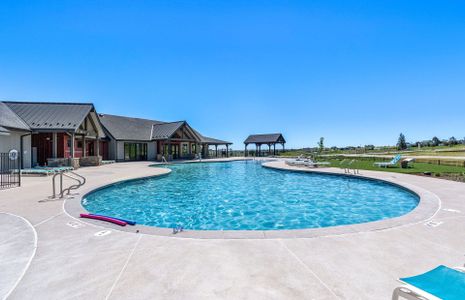
- HOA fees: Nearly universal in suburban developments. Standard communities run $70 to $200 monthly, premium communities with pools and extensive amenities run $250 to $600 monthly.
- Utility costs: Moderate given four seasons requiring both heating and cooling. Xcel Energy serves most of metro. Winter natural gas heating costs $80 to $180 monthly. Summer electric costs modest $100 to $150 monthly given cool nights and low humidity. Combined costs—property taxes around $270 monthly, state income tax around $480 monthly for $110,000 household, insurance $210 to $290 monthly, HOA fees $110 to $240 monthly—create $1,070 to $1,280 monthly beyond principal and interest.
What new construction delivers in mountain boomtown
- New construction provides advantages though cannot overcome fundamental unaffordability.
- Mountain-appropriate construction: High altitude UV-resistant materials, snow load requirements for roofs, energy-efficient windows, proper insulation for temperature extremes.
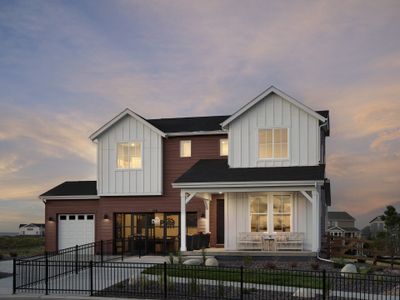
- Modern floor plans: California migrants and professionals expect open concepts, home offices, mountain views, outdoor spaces, and quality finishes.
- Energy efficiency: Four-season climate requiring heating and cooling makes efficient systems valuable.
- Smart home technology: Professional buyers expect structured wiring, smart thermostats, security systems.
Construction timelines in boom market
- For inventory homes, closings happen within 50 to 110 days.
- For to-be-built homes, realistic expectations run 10 to 16 months given boom market capacity constraints. Winter weather affects construction—snow and freezing temperatures slow progress November through March. Hail storms and severe weather create delays.
Financing in California refugee market
Most builders offer incentives from $9,000 to $20,000 in closing cost credits. On a $700,000 home with approximately $270 monthly property tax, $235 monthly insurance, $150 monthly HOA fees, total housing payment reaches approximately $5,400 monthly. This requires household income exceeding $190,000—explaining why working-class faces total exclusion while California equity refugees and tech workers dominate.
Why Denver-specialist representation matters critically
Denver's extreme appreciation, California migration dynamics, I-70 traffic nightmares, and outdoor recreation access challenges make specialized representation essential.
Independent buyer's agents help navigate which areas offer value versus California overpricing, evaluate realistic I-70 mountain access (visiting weekday doesn't prepare for weekend traffic nightmares), understand altitude and climate challenges, assess school districts across multiple counties, identify areas with actual mountain views versus marketing claims, compare builder reputations, and ensure buyers—particularly those from moderate climates or sea level—understand Denver realities: California migration drove appreciation completely pricing out locals, extreme costs rival markets Denver supposedly offered escape from, I-70 weekend traffic destroys spontaneous mountain access requiring 3+ hours reaching ski resorts 75 miles away, altitude affects health and requires adjustment, water crisis threatens long-term sustainability, working-class faces complete exclusion, while recognizing Denver offers unmatched outdoor recreation access to world-class skiing, hiking, and mountains, four genuine seasons with 300 sunny days, educated progressive culture, thriving craft beer scene, economic opportunity, and escape from coastal density in America's most expensive mountain boomtown where California discovered Colorado creating appreciation that made the outdoor paradise unaffordable for working Coloradans who call the Rocky Mountains home.
Where can I find new homes?
Browse currently available new construction homes, communities, and floor plans across the Denver Metropolitan Area. All listings are updated daily with the latest inventory from builders. Browse all communities & new homes in Denver Metropolitan Area
Top-rated new construction communities in Denver Metropolitan Area


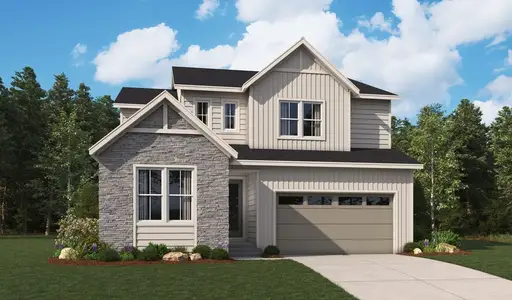
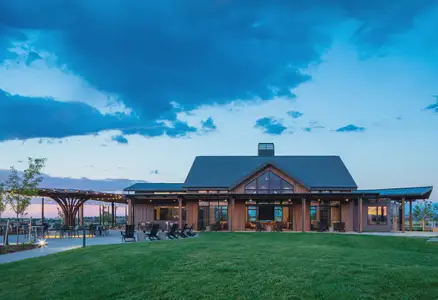
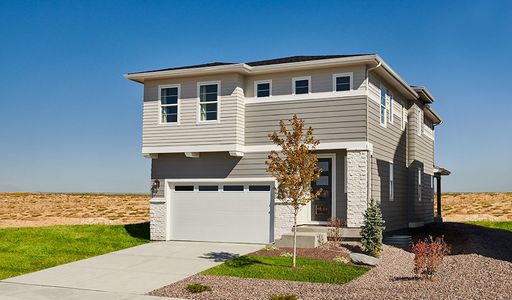
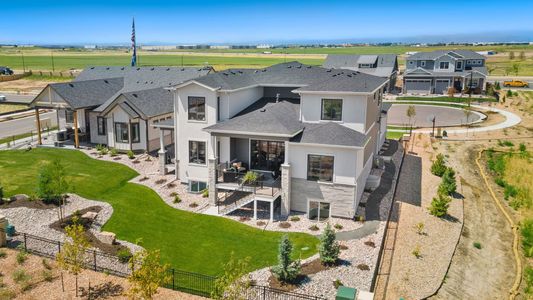

Master planned communities in Denver Metropolitan Area






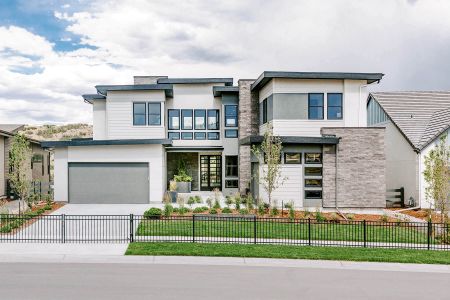
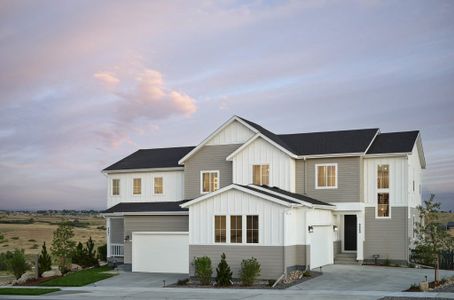
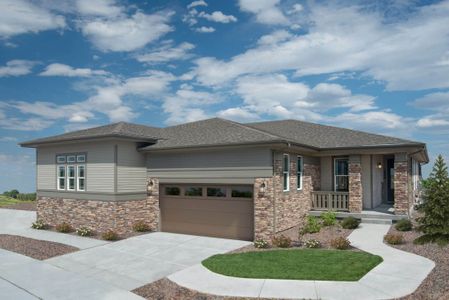
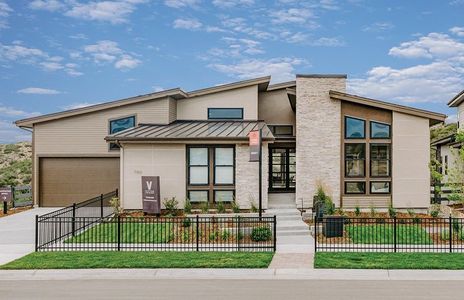
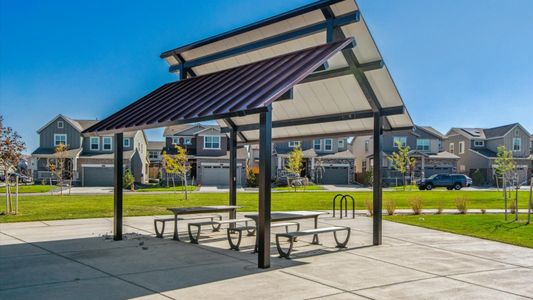
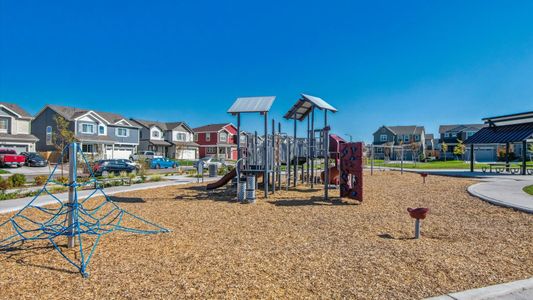
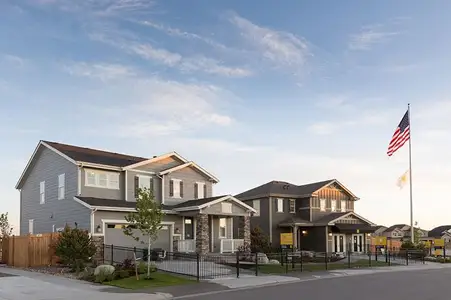
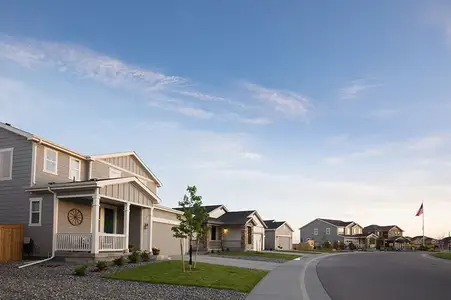
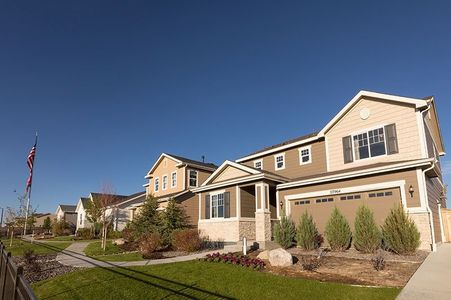
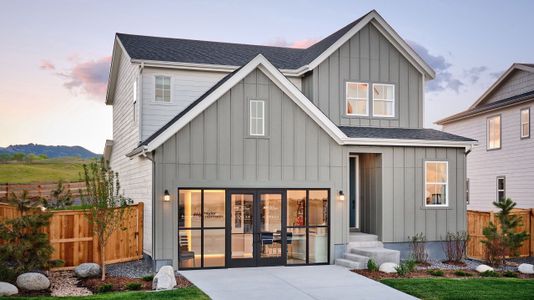
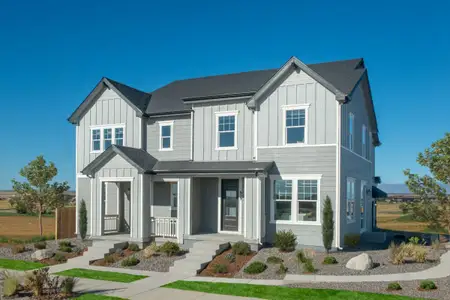
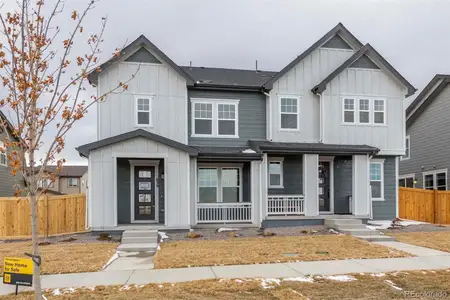
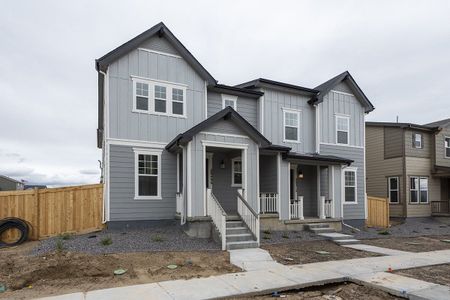
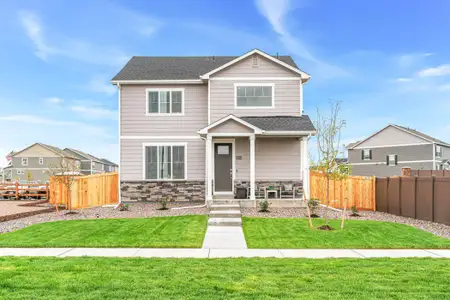
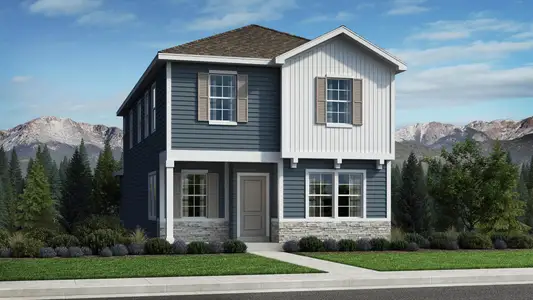

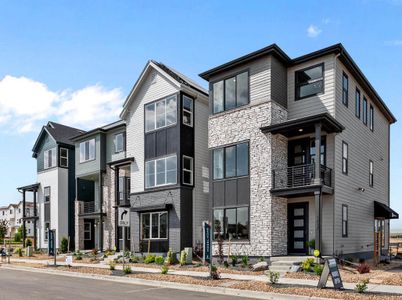
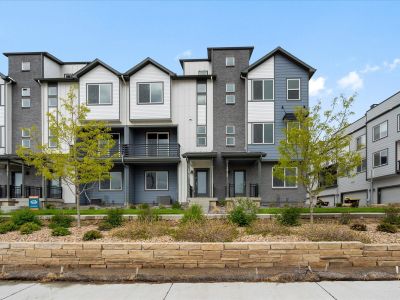
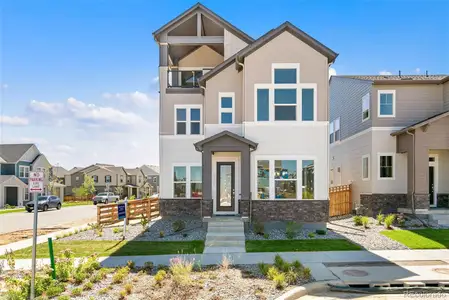
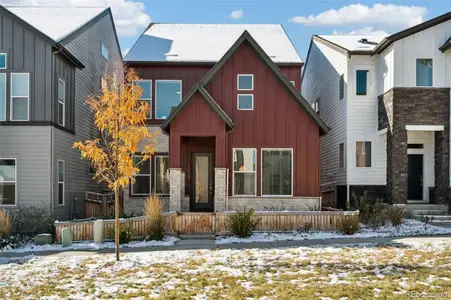
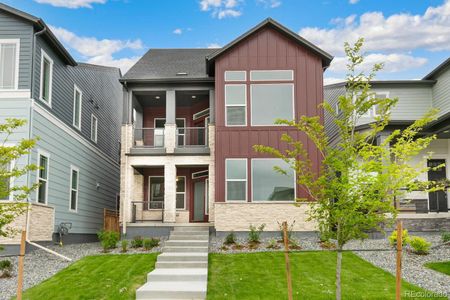
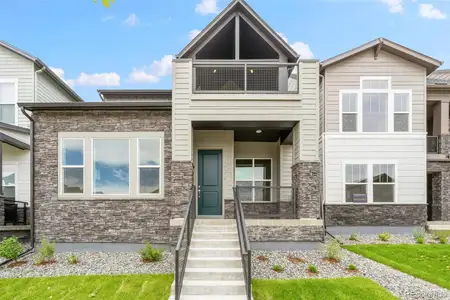
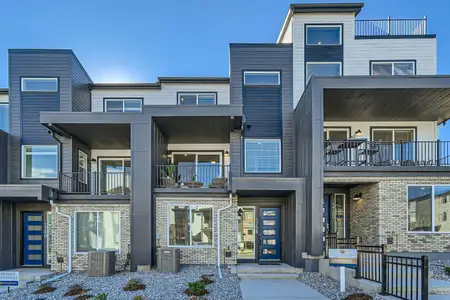
















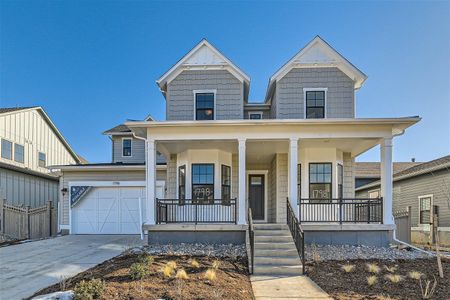
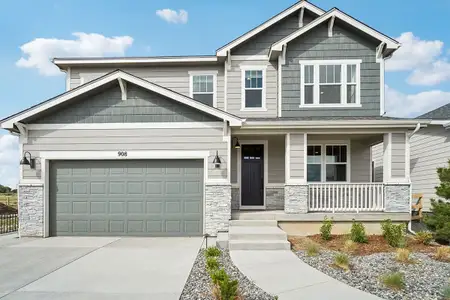

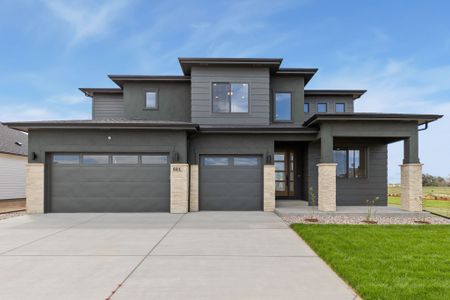
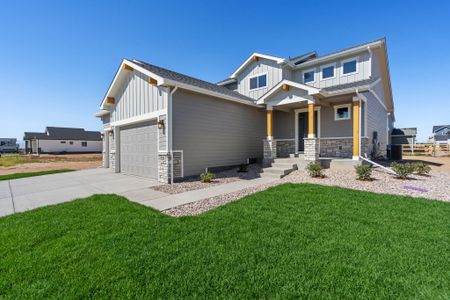
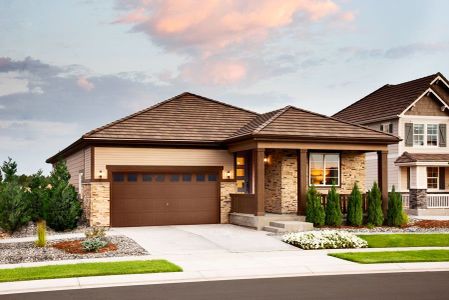
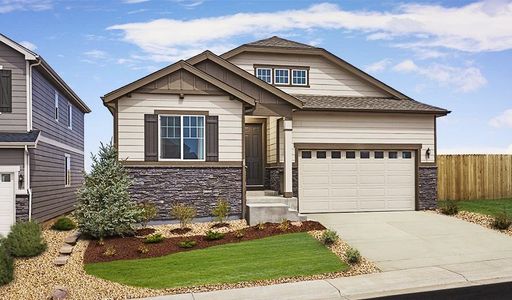
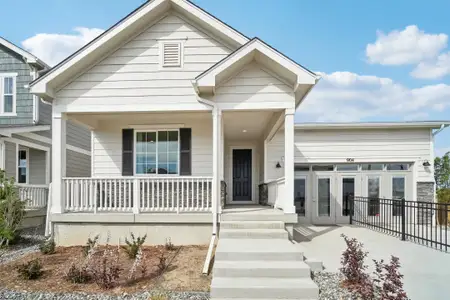




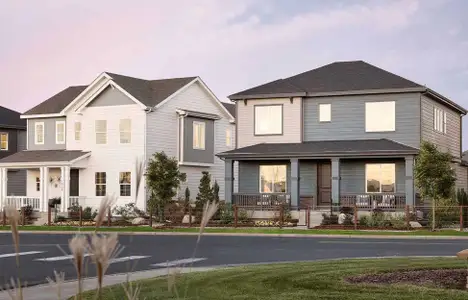
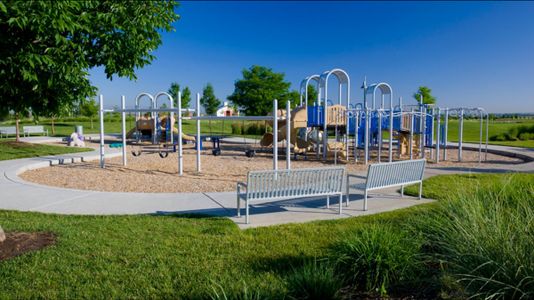


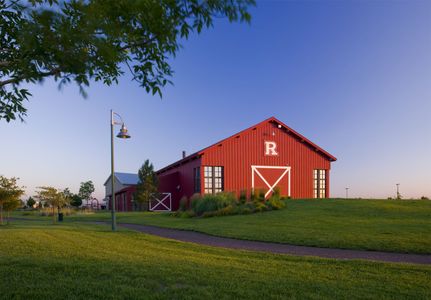
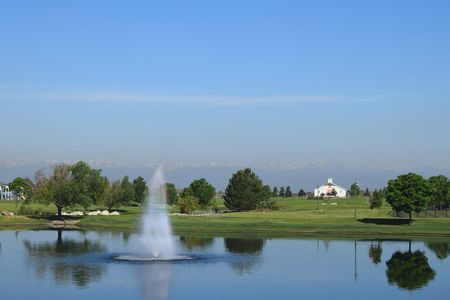

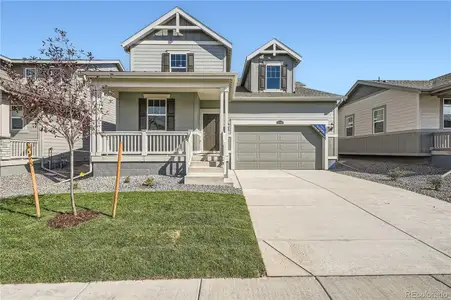
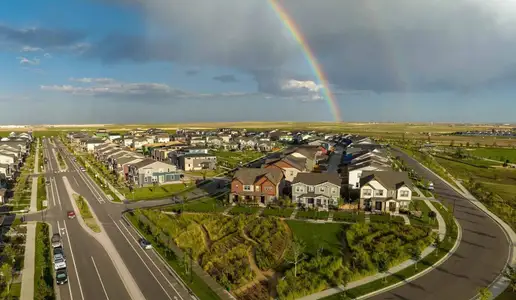
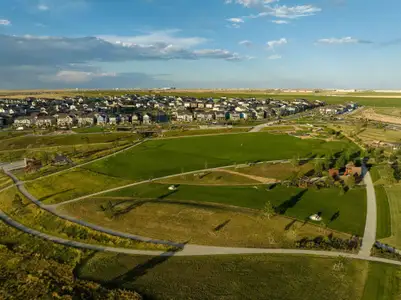
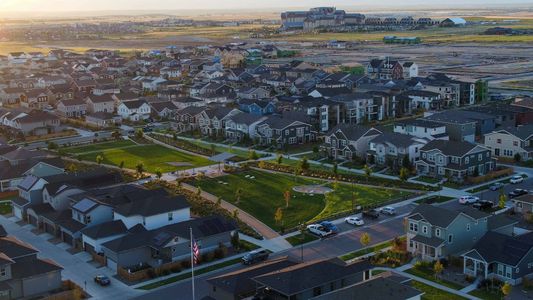









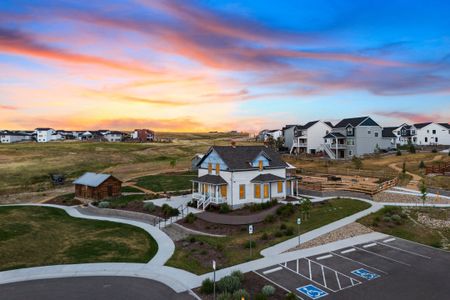
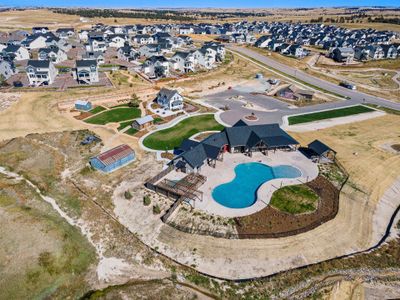
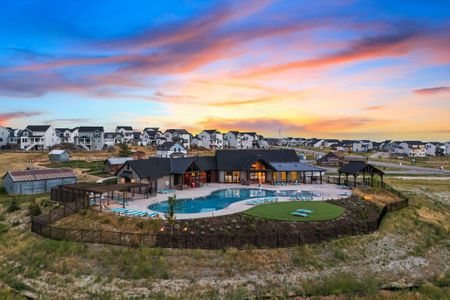
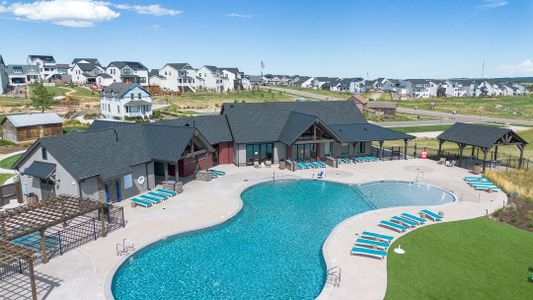


Browse communities & homes in Denver Metropolitan Area cities
Real estate in Denver Metropolitan Area
As of early 2026, the Denver real estate market has settled into a balanced rhythm, offering a welcome reprieve for buyers. The median home price has stabilized near $580,000, and with inventory levels rising significantly, the intense bidding wars of previous years have subsided. Whether you are looking for a modern downtown loft, a suburban townhome, or a single-family home with mountain views, the current market offers the inventory and leverage to make a thoughtful choice. To help make homeownership attainable, the city’s metroDPA program has expanded its reach, now offering up to $25,000 in down payment assistance for eligible buyers through its Social Equity initiative. Additionally, Denver remains a leader in sustainability; homeowners can take advantage of robust property tax rebates and utility incentives for energy-efficient upgrades, making it easier than ever to align your budget with an eco-friendly lifestyle.
Newly released communities

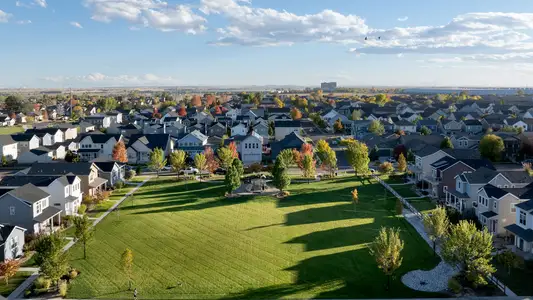
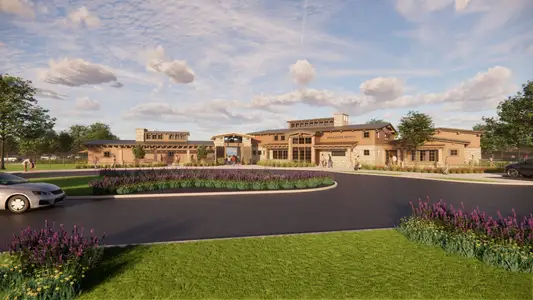
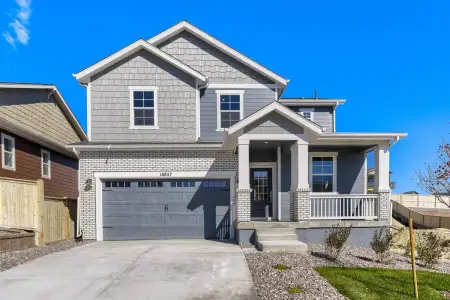
Recently listed homes
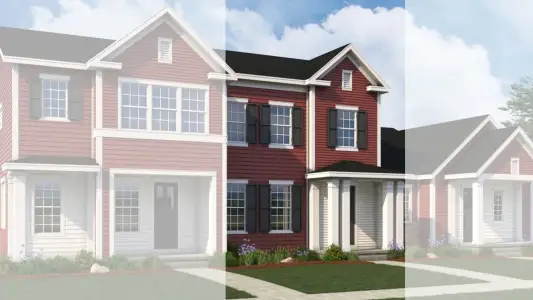
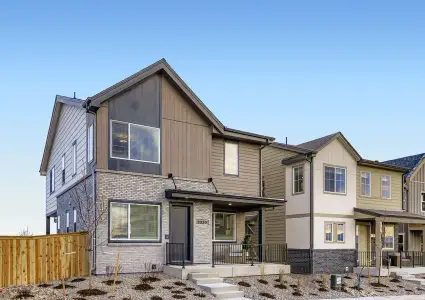
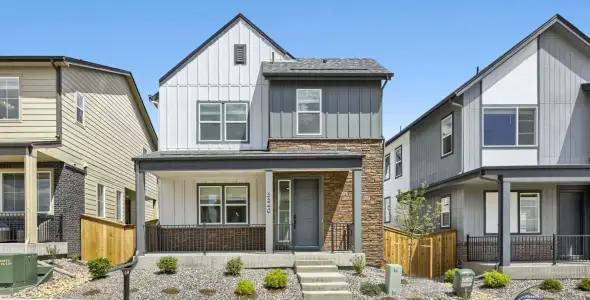
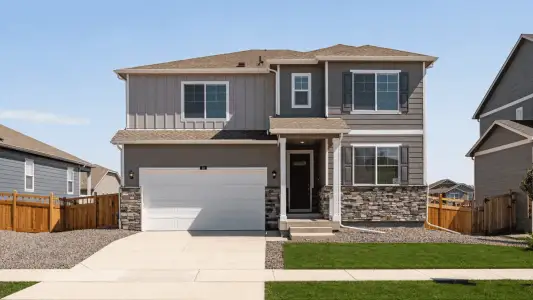
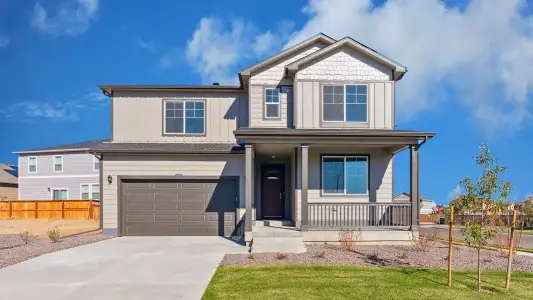
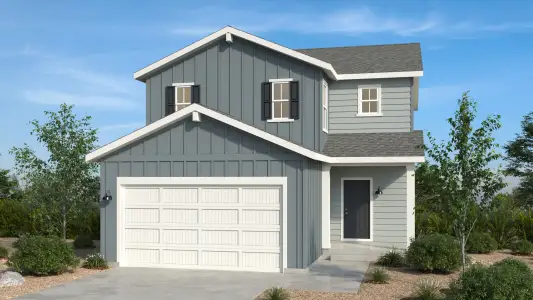
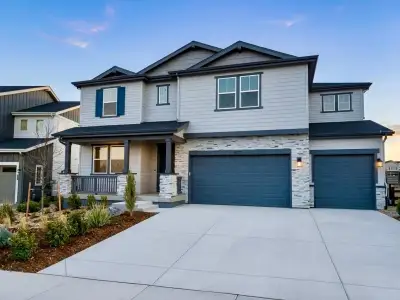
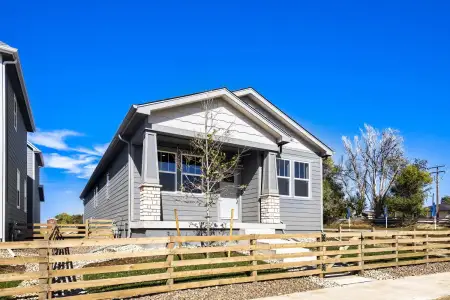
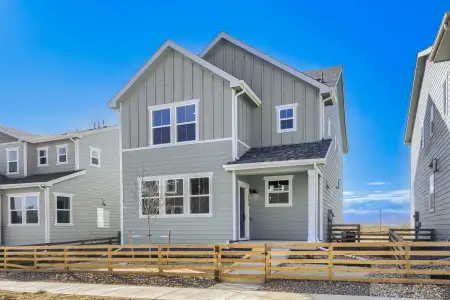
Recently published floor plans
The most popular new construction builders in Denver Metropolitan Area










Read about new construction on Jome blog
Frequently asked questions
What is the current median sale price for a property in Denver Metropolitan Area?
The real estate landscape in the Denver Metropolitan Area presents a median sale price of $574,992, based on August 2026 data. This pricing reflects a diverse inventory of 3479 new homes, constructed by 70 different building companies.
Who are the major developers of new construction homes in Denver Metropolitan Area?
When looking at new construction homes in Denver Metropolitan Area, you'll often find properties built by Richmond American Homes, Lennar, Dream Finders Homes, Century Communities and Taylor Morrison. These developers have been key in shaping the area's new residential areas.
What is a Metro District, and why is it on my tax bill?
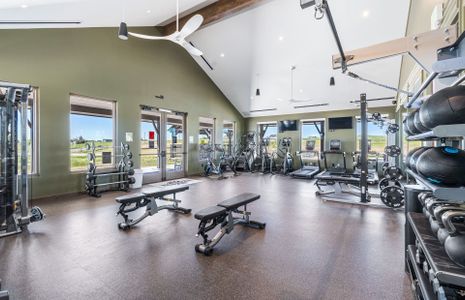
In Colorado, developers use Metropolitan Districts to fund the infrastructure—roads, water lines, and community pools—that cities can no longer afford to build. You will see this as an extra "Mill Levy" on your property taxes, which can push your total tax rate from a low 0.6% to a higher 1.0% or 1.2%. While nobody likes higher taxes, the trade-off is that Metro District communities typically offer superior amenities like rec centers and extensive trail systems. To avoid surprises, always ask for the "Total Mill Levy" before signing.
How do I get a lower interest rate in this market?
In a high-cost market like Denver, the interest rate is often more important than the purchase price. Local builders are currently combating high rates with Permanent Rate Buydowns. Instead of dropping the home price by $20k (which barely changes your payment), they use that money to buy your mortgage rate down into the 5% range for the life of the loan. This "financing hack" can save you $500+ per month, making a $600k home affordable again. To find these specific financing offers, check our list of Denver Homes with Incentives.
Is it better to buy in the North (Erie/Thornton) or the East (Aurora)?
This is a battle between "Mountain Views" and "Airport Access." The North (Erie, Thornton, Broomfield) is traditionally more expensive because it offers better views of the Front Range and established suburban amenities, making it a favorite for families. The East (Aurora/Green Valley Ranch) is the "Value Corridor." Driven by the massive Aerotropolis development near DIA, this area offers the most affordable square footage in the metro. If you travel frequently or want the lowest price per square foot, go East; if you want the classic Colorado lifestyle vibe, search for New Homes in Erie & Thornton.
Why are the backyards smaller in new communities?
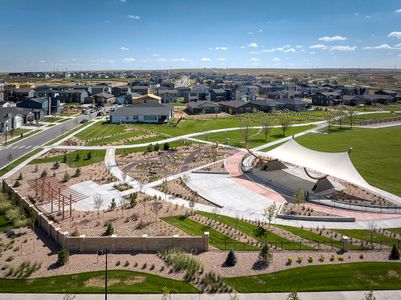
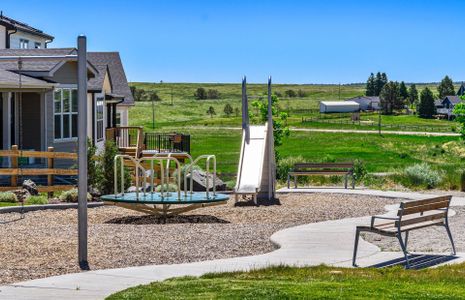
You aren't imagining it; lot sizes are shrinking, but it is for a specific reason: Water Conservation. To comply with strict new water ordinances and keep utility bills manageable, developers are moving toward "low-maintenance" lots and Xeriscaping (native, drought-resistant landscaping). The trade-off is that these communities now dedicate massive acreage to shared open spaces—parks, dog runs, and trail networks—rather than private grass that you have to mow and water. If you prefer a large private yard, you will need to look further out by searching for New Homes on 1-Acre Lots.
Should I be worried about "expansive soils" in Denver?
Colorado’s soil is rich in Bentonite, a clay that swells when wet, which can crack foundations in older homes. However, buying new construction is your best defense against this geology. Modern builders in 2026 use advanced engineering techniques like "Structural Wood Floors" (basements that float above the soil) and deep caissons to isolate the home from ground movement. This level of protection simply does not exist in most resale homes built before 2000.