
New construction homes for sale in Durham, NC
402 homes
Deal spotlight: real Jome success stories

Ana V.
First-time buyer with $500 down
We went from renting a crumbling home to owning a 4-bed with $500 down — Jome made it possible.
Bought with Jome - July 2025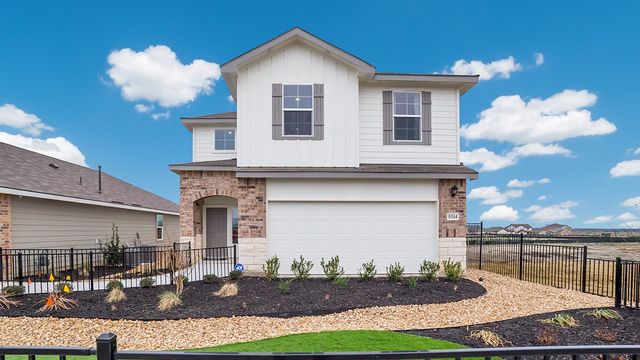
Avenida by D.R. Horton
- 4 bd
- 2 ba
- 2 stories
- 1,891 sqft
Savings breakdown
Monthly payment
$1,679/mo$2,384/moSaved $705/moCash to close
$10,500$18,500Saved $8,000🔥 Deal worth: $16,640
Includes: lowered monthly investment, closing cost reduction
Why this home is a match:
- 4 bedrooms
- Modern finishes
- Open layout
- Family-friendly area
We'll match you to similar homes
Rachel P.
Turned down twice. Now a proud homeowner — with nothing due at closing!
I fixed my credit, worked with Jome, and got my home with $850 down — no closing costs.
Bought with Jome - July 2025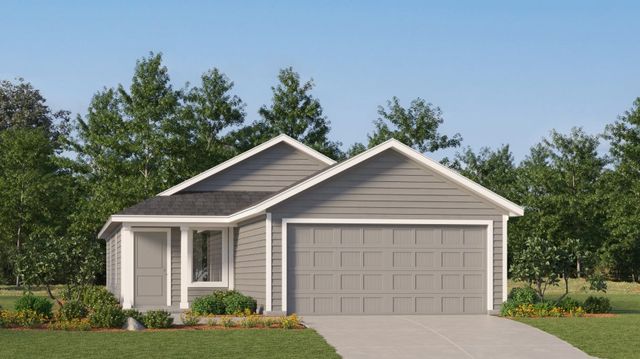
Landon Ridge by Lennar
- 3 bd
- 2 ba
- 1 story
- 1,266 sqft
Savings breakdown
Monthly payment
$1,600/mo$2,047/moSaved $447/moCash to close
$850$12,350Saved $11,500🔥 Deal worth: $20,514
Includes: lowered monthly investment, closing cost reduction
Why this home is a match:
- Affordable
- Manageable payments
- Fresh start
- Smart Layout
We'll match you to similar homes

Ankit S.
Locked in 3.99% — now paying what they did in rent
With Jome's help, we locked in 3.99% and now own a home for the same monthly payment as our rent.
Bought with Jome - July 2025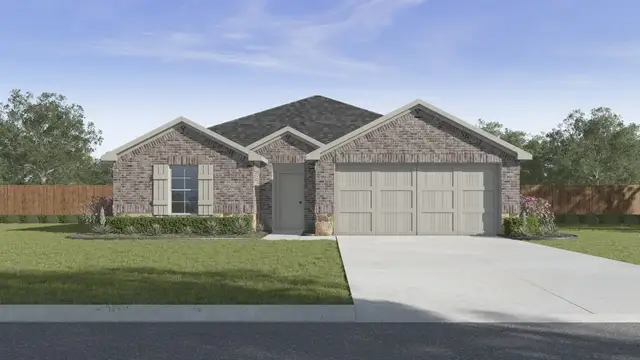
Frontier Pointe by D.R. Horton
- 2 bd
- 2 ba
- 1 story
- 1,123 sqft
Savings breakdown
Monthly payment
$1,553/mo$2,364/moSaved $811/moCash to close
$6,633$18,720Saved $12,087🔥 Deal worth: $21,819
Includes: blinds, refrigerator, gutters, garage door opener
Why this home is a match:
- 3.99% interest
- Modern Kitchen
- Energy Efficient
- Extras included free
We'll match you to similar homes
 How much home can you afford?Get a quick estimate of how much you can afford based on common lender's approval criteria.
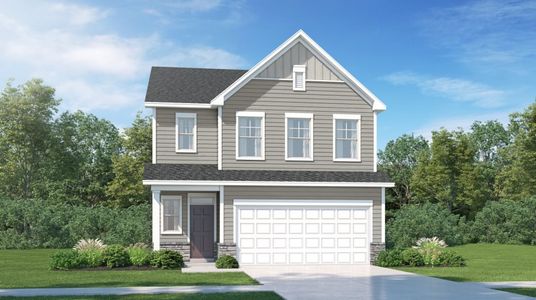
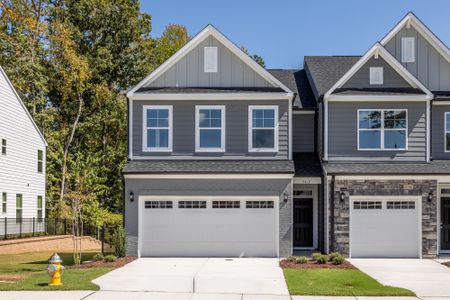
New home communities in Durham, NC
45 communities







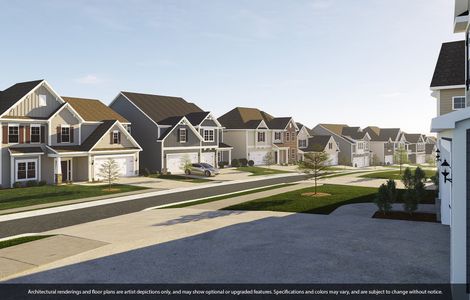





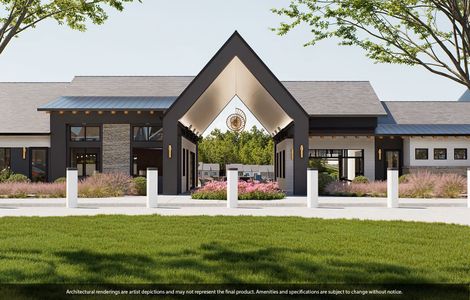


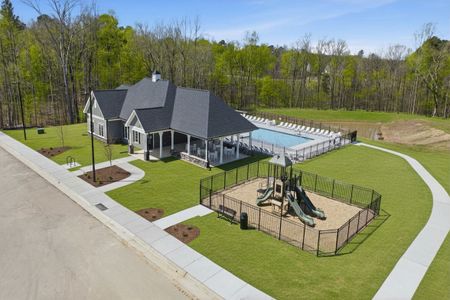


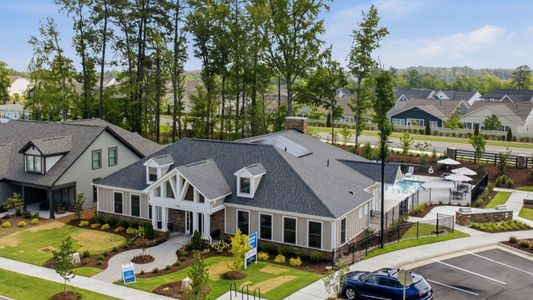


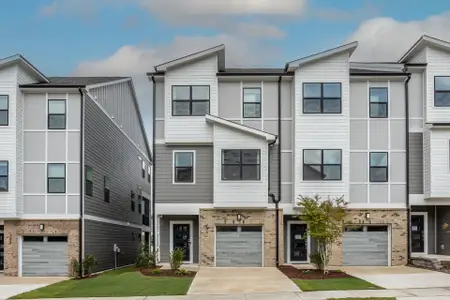


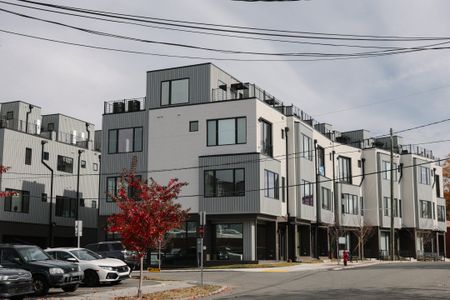
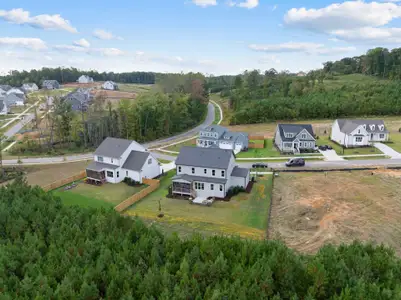


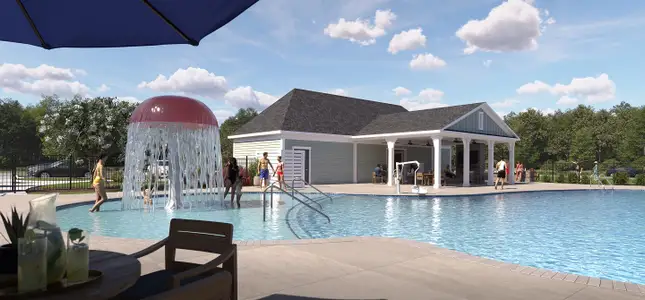
Recently Added Communities in Durham, NC
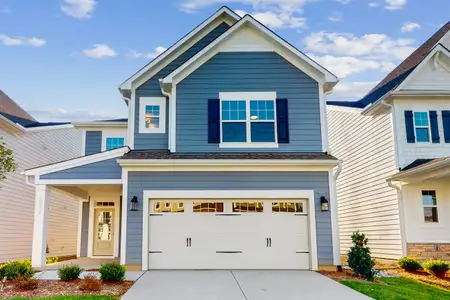
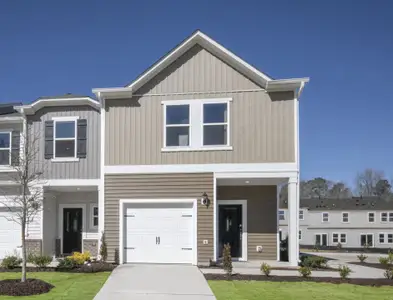


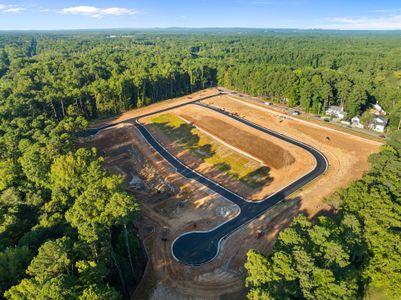
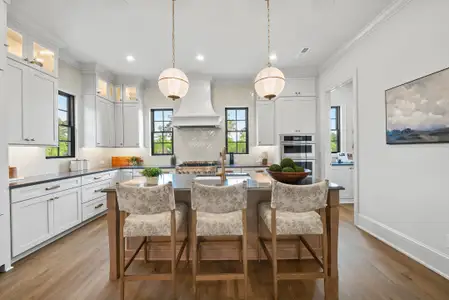


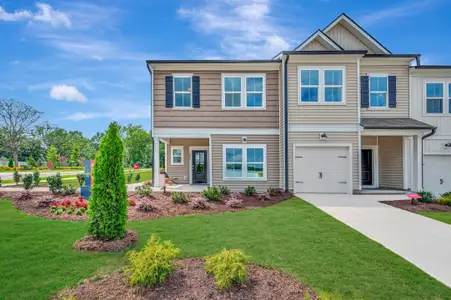








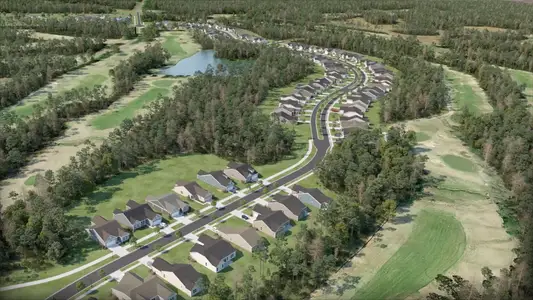
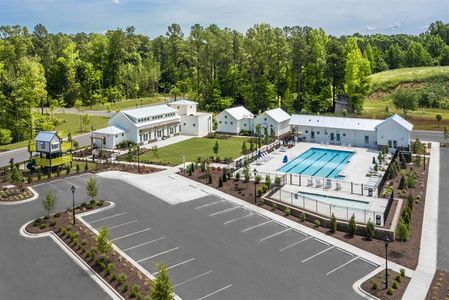
Popular Communities in Durham, NC


Housing market in Durham, NC
- StateNorth Carolina
- MarketRaleigh-Durham Area
- Neighborhoods118
- Communities44
- Single family353
- Townhouses48
- Multi family1
- Condominiums0
- Active builders23
- Starting price$245,990
- Median price$409,300
- Price per square foot$198.73
Real estate price trends
Home price data reflects 402 listings in Durham, NC, sourced from Jome and updated regularly
*Based on Jome markets
What it's like to live in Durham?
The Local Vibe (Location & Identity)
Durham serves as a primary economic engine of the Research Triangle, located roughly 25 miles northwest of Raleigh. With a population of approximately 290,000, the city maintains a distinct identity shaped by its history in tobacco and textiles, now transformed into a global center for healthcare and biotechnology. The demographic is a mix of young professionals and academics, driven by the presence of Duke University and the nearby Research Triangle Park.
Living Here: Amenities & Lifestyle
Residents often spend weekends exploring the American Tobacco Campus, where historic warehouses now house offices and restaurants adjacent to the Durham Performing Arts Center. For outdoor recreation, the Eno River State Park offers miles of hiking trails, while the Sarah P. Duke Gardens provides a quiet escape within the city limits. Shopping and dining are concentrated in areas like Brightleaf Square and Ninth Street, reflecting the city's adaptive reuse of industrial spaces. Commuters benefit from direct access to I-40 and NC-147, making trips to Research Triangle Park or Raleigh-Durham International Airport efficient. This connectivity supports a workforce employed by major entities like Duke Health, IBM, and Fidelity Investments.
Schools & Family Appeal
Families are served by Durham Public Schools, which offers a variety of specialized magnet programs and CTE pathways. The Museum of Life and Science and the Durham County Library system act as central community hubs for educational engagement. These resources, combined with numerous neighborhood parks, make the city a practical choice for households prioritizing both career growth and local enrichment.
Why New Construction Makes Sense Here
Much of the existing housing stock consists of mid-century bungalows or older industrial conversions that often require significant modernization. Choosing new construction in Durham allows buyers to avoid the high costs of retrofitting aging electrical or HVAC systems. Modern builds can offer potential utility savings of $150-250 per month compared to a 1990s-era home, based on regional energy efficiency standards and Energy Star data. Additionally, many new home communities in Durham offer builder-backed rate buy-downs that can significantly lower monthly mortgage payments. For those on a tighter timeline, quick move-in homes in Durham provide these financial advantages without the typical wait of a custom build.
Frequently Asked Questions (FAQs)
What is the current median sale price for a property in Durham, NC?
The Durham, NC boasts a median sale price of $415,380 for properties, according to data from September 2026. This price point reflects the current market of 386 new construction homes, brought to you by 23 reputable developers.
Who are the major developers of new construction homes in Durham, NC?
The new home construction market in Durham, NC is led by established developers like Mungo Homes, Lennar, Pulte Homes, Meritage Homes and Homes by Dickerson. Their projects reflect a focus on quality construction and innovative home design.
Where is the new construction located in Durham?
Durham’s new home market is geographically divided. The South Durham corridor (near Southpoint and I-40) is the most expensive and sought-after area due to its immediate proximity to Research Triangle Park (RTP). North Durham offers more attainable pricing and larger lots, though the commute to RTP is longer. In the Downtown and Central Park districts, new inventory is almost exclusively modern condos and townhomes filling in urban lots.
Is Durham closer to RTP than Raleigh?
For many commuters, yes. A significant portion of Research Triangle Park (RTP) is physically located within Durham County. Residents living in South Durham or the Bethesda area often have a commute of less than 15 minutes to major employers like GlaxoSmithKline, Cisco, and Fidelity. This proximity is a primary reason tech and biotech workers often choose Durham over the suburbs of Wake County.
Do some "Durham" addresses fall in Wake County?
Yes, this is a critical detail for buyers. The Brier Creek area and parts of the RTP periphery often have Durham postal addresses but are physically located in Wake County and zoned to Wake County Public Schools. Conversely, some areas have Chapel Hill addresses but fall under Durham County tax jurisdictions. Because taxes and school assignments differ significantly between counties, you must verify the specific jurisdiction for any home near the county lines.