
New construction in Tennessee: prices, trends, guides & homes as of October 2026
How much does a new home in Tennessee cost?
How are new home prices changing in Tennessee?
Home price data reflects current listings in Tennessee, sourced from Jome and updated regularly
*Based on Jome markets

Chat with Tennessee Expert
Get a free, no-pressure consultation with our top Tennessee new-construction expert. They know every major builder, the best deals and incentives, and exactly what's happening in the local new-construction market.
Tennessee market overview
- Overall inventory4,009
- Single-family inventory3,720
- Townhouse inventory252
- Condo inventory10
- Multi-family inventory22
- Penthouse inventory0
- 1 bed inventory5
- 2 beds inventory180
- 3 beds inventory1,662
- 4+ beds inventory2,161
- Median home price$442,440
- Median sqft price$207.66
- Median 1 bed price$389,900
- Median 2 beds price$391,990
- Median 3 beds price$369,990
- Median 4+ beds price$499,990
- Min listing price$209,990
- Max listing price$2,748,162
- Min community price$209,990
- Max community price$3,249,999
Tennessee median price change
| Month | Median price | Change |
|---|---|---|
| December 2025 | $413,932.5 | - |
| January 2026 | $416,375 | +0.59% |
| February 2026 | $418,125 | +0.42% |
| March 2026 | $416,847.5 | -0.31% |
| April 2026 | $411,610 | -1.26% |
| May 2026 | $415,900 | +1.04% |
Tennessee real estate markets

What are the most popular buyers' searches?
What it's like to live in Tennessee?
Tennessee operates as the Southeast's music capital and fastest-growing mid-sized state, where 7 million residents across 42,000 square miles experience zero state income tax (eliminated even investment income tax in 2021 creating $3,000 to $12,000 annual savings versus North Carolina or Georgia equivalents), where economic diversity spanning healthcare (HCA Healthcare Nashville—nation's largest for-profit hospital operator with 94,000 employees nationally and Nashville headquarters concentration), entertainment and music industry (Nashville "Music City USA" country music recording industry employing 60,000-plus in songwriting, production, touring, live music venues creating $10+ billion annual economic impact), logistics and distribution (FedEx Express global headquarters Memphis operating world's busiest cargo airport employing 30,000 locally creating massive logistics cluster), automotive manufacturing (Nissan Smyrna and Decherd 14,000 employees producing 640,000 vehicles annually, Volkswagen Chattanooga 4,000 employees, GM Spring Hill 4,000, creating 150,000-plus automotive cluster jobs statewide), tourism (Great Smoky Mountains National Park most-visited U.S. national park with 14 million annual visitors, Gatlinburg-Pigeon Forge attractions, Nashville tourism, Memphis Graceland and Beale Street generating $23+ billion annual statewide impact), insurance and financial services, technology sector growth particularly Nashville, and regional universities creates economic strength distinguishing Tennessee from single-industry Southern states while maintaining moderate cost of living and business-friendly environment.
However, explosive growth particularly Nashville (metro population increased 27% 2010-2020, fastest-growing major Southeastern metro) driven by California refugees, corporate relocations, remote workers, and domestic migration from expensive states transformed Tennessee from affordable alternative into increasingly expensive market where appreciation of 55% to 85% from 2019 to 2024 in Nashville area (among nation's highest) plus 40% to 60% in Memphis, Knoxville, and Chattanooga created housing crisis where quality new construction ranges $330,000 to $480,000 in affordable metros (Memphis, Chattanooga, Knoxville) to $550,000 to $900,000 in expensive Nashville approaching Denver or Seattle suburbs despite Tennessee's reputation for affordability, where property taxes at 0.5% to 0.8% of assessed value remain moderate (lower than Texas's 1.8% though higher than Alabama's 0.4%) creating $3,500 to $6,400 annual bills on $800,000 homes, where homeowner's insurance costs $1,800 to $3,200 annually with tornado risk creating higher premiums following devastating outbreaks, where climate delivers hot humid summers (90°F to 98°F June through September with oppressive humidity particularly West Tennessee), genuine four seasons with mild winters (occasional snow Nashville/East Tennessee, rare Memphis/West), spring tornado season creating deadly risk (Tennessee averages 50 tornadoes annually with March 2020 Nashville outbreak killing 25 and December 2021 Western Tennessee outbreak killing dozens demonstrating vulnerability), where traffic congestion in Nashville rivals Atlanta destroying quality of life with I-24, I-40, I-65 gridlock creating 90-minute commutes from affordable outer suburbs, where rapid growth overwhelmed infrastructure creating school overcrowding, where limited public transportation forces car dependence, where political culture remains conservative Republican-dominated (though Nashville and Memphis more politically diverse) creating tensions over social issues, where healthcare access challenges affect rural areas despite urban hospital concentration, and where the trade-offs involve accepting that Tennessee offers zero income tax savings, robust job growth across diverse industries (healthcare, music, manufacturing, logistics), lower housing costs than California/Northeast/expensive states (though margins narrowing rapidly in Nashville), business-friendly environment attracting corporate relocations, music heritage and cultural identity, Great Smoky Mountains outdoor recreation, four genuine seasons, Southern hospitality and quality of life, but delivers these through explosive Nashville growth pricing out working families earning Tennessee wages, traffic destroying livability in major metros, tornado risk proven deadly by repeated outbreaks, hot humid summers limiting outdoor comfort, car-dependent sprawl, conservative political environment limiting progressive policies, and reality that Tennessee's success particularly Nashville created appreciation where $700,000 homes approaching expensive-state levels while wages remain 20% to 30% below coastal markets creating affordability math challenging even for professionals in Volunteer State where music capital status, zero taxes, and business growth attracted migration transforming affordable Southern alternative into increasingly expensive market where "Don't Nashville My Tennessee" sentiment reflects native frustration with boomtown prosperity pricing locals out.
Understanding Tennessee by region, economy, and geographic diversity from mountains to Mississippi Delta
Tennessee's 42,000 square miles stretch 440 miles east to west (only California and Texas exceed this breadth among states) creating dramatic geographic diversity where understanding regional differences proves essential—East Tennessee mountains differ fundamentally from Middle Tennessee rolling hills and West Tennessee flat Mississippi Delta, Nashville tech and healthcare culture contrasts Memphis blues heritage and logistics economy, and housing costs vary from $240,000 Chattanooga median to $550,000 Nashville median representing 2.3x difference within single state.
Major Metropolitan Regions and Economic Drivers:
Nashville (2 million, state capital, Middle Tennessee) operates as Tennessee's economic engine and "Music City USA" where country music recording industry employs 60,000-plus in songwriting (Music Row publishers including Sony/ATV, Warner Chappell, Universal Music Publishing), recording studios (historic RCA Studio B where Elvis recorded, modern facilities), artist management, touring operations, live music venues (Broadway honky-tonks, Ryman Auditorium "Mother Church of Country Music", Grand Ole Opry), creating $10+ billion annual economic impact though wages vary dramatically from struggling musicians earning $25,000 to superstar artists earning millions. Healthcare dominance through HCA Healthcare (nation's largest for-profit hospital operator, Nashville headquarters, 94,000 employees nationally with concentration locally), Community Health Systems, Envision Healthcare, and dozens of healthcare companies created "Healthcare Valley" employing 100,000-plus locally in hospitals, corporate offices, healthcare IT, insurance. Technology sector explosion attracted Oracle Health (Cerner acquisition), Amazon Operations Center, AllianceBernstein headquarters relocation, plus hundreds of startups discovering Nashville talent, quality of life, zero income tax. Tourism serving 16 million annual visitors experiencing country music attractions, Broadway nightlife, Grand Ole Opry, Country Music Hall of Fame, honky-tonks generates billions though creates low-wage service employment. Nissan North America headquarters Brentwood suburb. Financial services, insurance, logistics, and diverse economy. Quality new construction $550,000 to $900,000 in desirable areas (Brentwood, Franklin Williamson County south, Nolensville, Mt. Juliet east, Spring Hill south) exceeding Denver suburbs. Median home price $450,000 though rapidly approaching $550,000. Climate: hot humid summers 92°F to 98°F, mild winters occasional snow, tornado risk (March 2020 outbreak killed 25 demonstrating vulnerability). Character: explosive growth (27% population increase 2010-2020 fastest major Southeastern metro), bachelorette party capital, California migration concentration, traffic nightmares, construction cranes everywhere, "It City" status, losing affordability and authenticity to boomtown development.
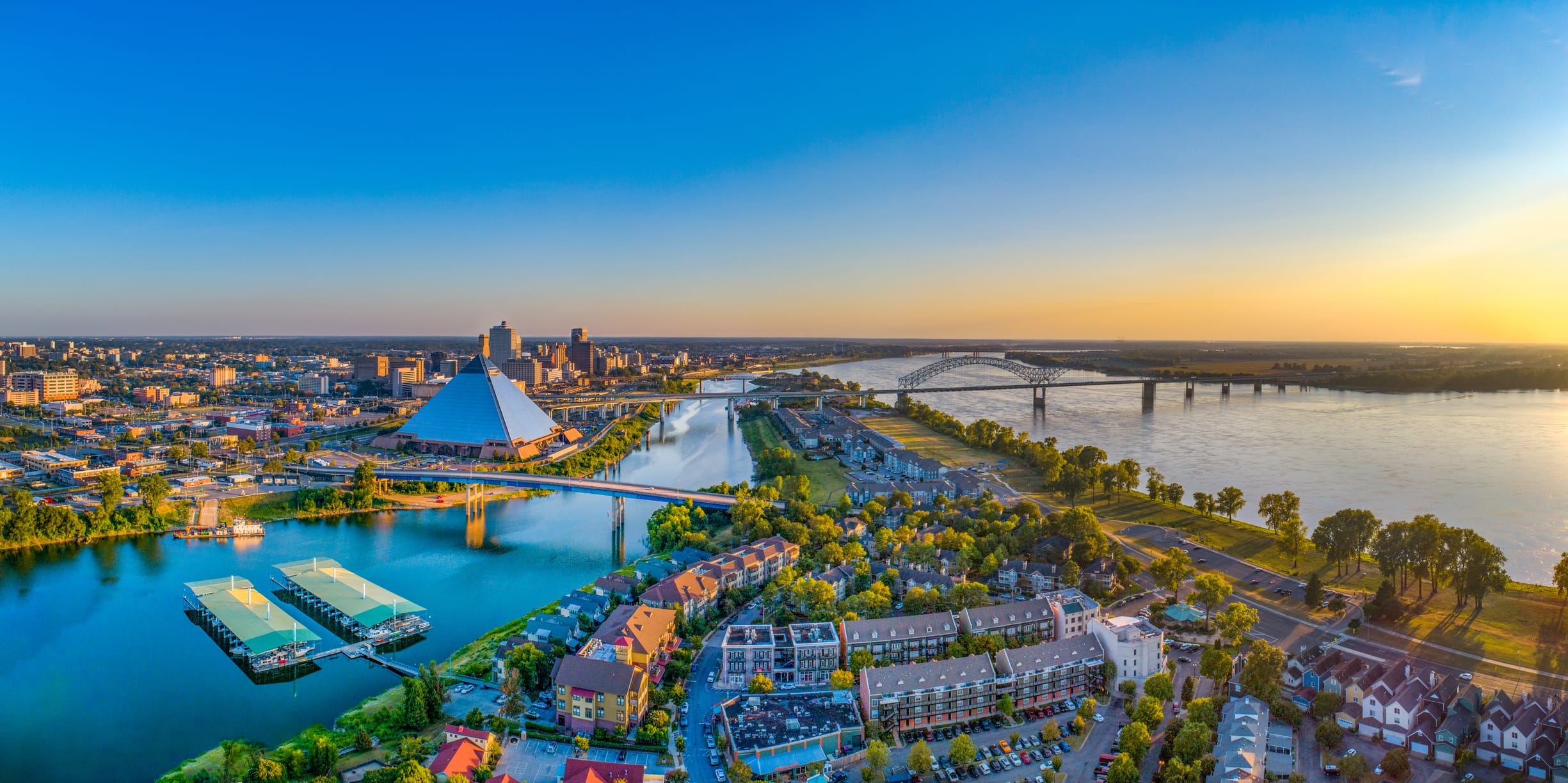
Memphis (1.3 million, West Tennessee, Mississippi River) functions as logistics capital and music heritage city where FedEx Express global headquarters operates world's busiest cargo airport (SuperHub processing 500,000 packages nightly employing 30,000 locally creating massive logistics cluster), where blues and soul music heritage (Beale Street historic district, Stax Records, Sun Studio where Elvis, Johnny Cash, Jerry Lee Lewis recorded, creating music tourism though far smaller economic impact than Nashville's living industry), where AutoZone headquarters, International Paper, healthcare through Baptist Memorial and Methodist Le Bonheur, St. Jude Children's Research Hospital (world-renowned pediatric cancer center), University of Memphis (22,000 students), tourism (Graceland Elvis Presley mansion attracting 600,000 annual visitors, National Civil Rights Museum at Lorraine Motel where MLK assassinated), and regional distribution create economy. However, Memphis struggles with persistent poverty (median household income $42,000 among major metros' lowest), crime rates significantly exceeding national averages in certain areas, population stagnation (peaked 1970s, declined then modest recent growth), urban challenges, and economic struggles where wealth concentrated suburbs Germantown/Collierville/Cordova while urban core faces severe challenges. Quality new construction $320,000 to $480,000 in desirable suburbs remaining Tennessee's most affordable major metro. Median home price $240,000. Climate: hot humid summers 92°F to 96°F, mild winters rare snow, tornado risk (December 2021 Western Tennessee outbreak killed dozens including Mayfield, KY just north). Character: blues heritage, BBQ capital (competing with Kansas City), struggling urban core with suburban flight, FedEx dominance, affordability, gritty authenticity, economic challenges.
Knoxville (900,000, East Tennessee, Great Smoky Mountains gateway) centers on University of Tennessee (30,000 students, employing 11,000, flagship state university creating college town character, SEC football passion Neyland Stadium 102,000 capacity), Oak Ridge National Laboratory (30 miles northwest, 5,500 employees in nuclear science research, Y-12 National Security Complex, legacy of Manhattan Project creating scientific community), tourism serving as primary gateway to Great Smoky Mountains National Park (most-visited U.S. national park 14 million annual visitors, 30 miles south), healthcare through University of Tennessee Medical Center and Covenant Health, Pilot Flying J (truck stop chain headquarters), manufacturing, TVA presence (Tennessee Valley Authority regional operations). Quality new construction $340,000 to $520,000 maintaining better affordability than Nashville. Median home price $310,000. Climate: four seasons, hot humid summers 88°F to 93°F, mild winters occasional snow, mountain influence moderates extremes. Character: college town, outdoors culture (hiking, camping Great Smokies access), UT football obsession (fall Saturdays Big Orange Country), smaller-scale than Nashville/Memphis, family-oriented, conservative, maintaining authenticity.
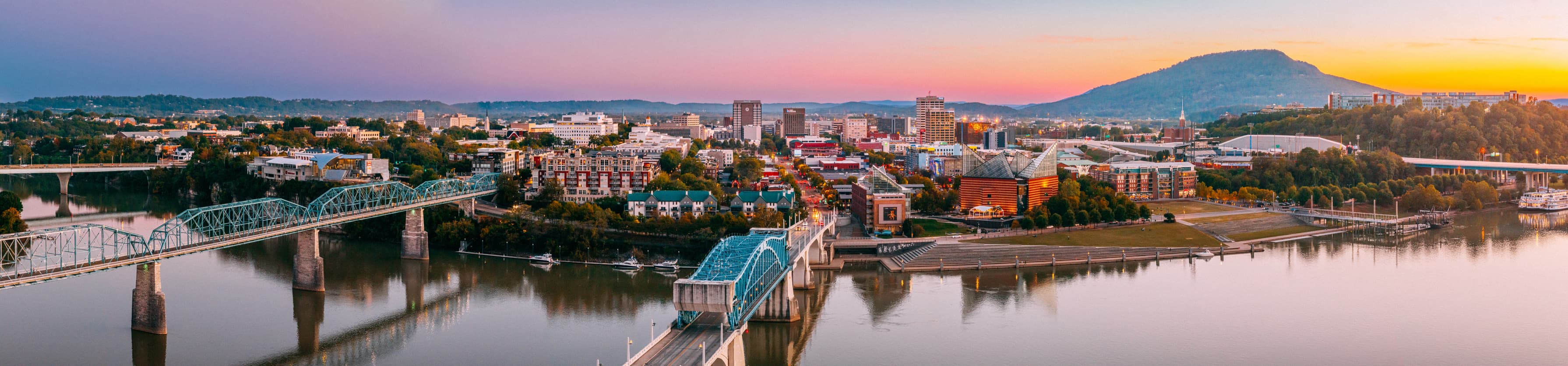
Chattanooga (565,000, Southeast Tennessee, Georgia border) operates as "Gig City" (municipal 10-gigabit internet nation's fastest) attracting tech startups, manufacturing including Volkswagen Chattanooga Assembly Plant (4,000 employees producing Atlas and ID.4 electric SUV), Amazon fulfillment center, Coca-Cola bottling, healthcare through Erlanger and CHI Memorial hospitals, tourism (Lookout Mountain, Rock City, Ruby Falls, Tennessee Aquarium, Chattanooga Riverwalk revival attracting visitors), University of Tennessee at Chattanooga (11,500 students). Quality new construction $330,000 to $500,000 remaining affordable. Median home price $300,000. Climate: hot humid summers, mild winters, mountain setting. Character: revitalized downtown with Riverwalk, outdoor recreation culture (climbing, cycling), tech-friendly infrastructure, smaller scale maintaining livability, proximity to Atlanta (120 miles). Additional Regions and Cities:
Tri-Cities (Northeast Tennessee—Johnson City, Kingsport, Bristol, 510,000 combined) centers on healthcare (Ballad Health regional system, Mountain States Health Alliance), East Tennessee State University (14,000 students, medical school), manufacturing, Appalachian culture. Bristol Motor Speedway NASCAR racing attracts 160,000 fans. Affordable $270,000 to $400,000 new construction. Mountain setting Blue Ridge proximity. Conservative Appalachian character.
Clarksville (180,000, Northwest Tennessee, Kentucky border) dominated by Fort Campbell (U.S. Army, 26,000 troops spanning Tennessee-Kentucky border, 101st Airborne Division "Screaming Eagles" air assault division) creating military town character, Austin Peay State University (10,000 students). Affordable $290,000 to $430,000 new construction. Military buyer demand, transient populations, affordable Nashville alternative 45 miles south.
Jackson (68,000, West Tennessee between Memphis and Nashville) serves as regional hub with healthcare, manufacturing, University of Memphis Lambuth campus. Small city affordable $230,000 to $360,000 new construction. Rural agricultural surroundings.
Murfreesboro (152,000, Middle Tennessee, 35 miles southeast Nashville) experienced explosive growth as Nashville overflow, Middle Tennessee State University (22,000 students, Tennessee's largest undergraduate enrollment), suburban development serving Nashville commuters. Quality new construction $420,000 to $620,000 reflecting Nashville proximity though offering better value than Nashville proper. Character: Nashville suburb, growth, I-24 corridor development. The Zero Income Tax Advantage and Moderate Property Tax Reality:
Tennessee's zero state income tax (eliminated even 1% to 2% investment income tax in 2021) creates $3,000 to $12,000 annual savings compared to North Carolina (4.5% flat), Georgia (5.75% top rate), or other income tax states—a household earning $100,000 saves approximately $4,500 annually versus North Carolina equivalent, while retirees pay zero tax on Social Security, pensions, and retirement distributions versus states taxing retirement income. However, Tennessee funds government through sales tax (state + local combined 9.25% to 9.75%, among nation's highest, creating regressive burden where lower-income households spend larger income percentages on taxable goods), plus property taxes, plus various fees. Property taxes in Tennessee average 0.5% to 0.8% of assessed value (assessed at 25% of market value creating effective rates)—lower than Texas (1.8%) though higher than Alabama (0.4%). On a $600,000 home, annual property tax bills range $3,000 to $4,800 depending on county and school district—moderate burden. The calculation whether Tennessee saves money versus other states requires examining total tax burden—while income tax savings prove real and substantial particularly for high earners and retirees, sales tax plus property tax plus higher insurance costs create situations where total costs remain 20% to 35% below expensive states though not as dramatic as zero income tax alone suggests.
The Climate Reality and Tornado Vulnerability:
Tennessee's humid subtropical climate creates hot sticky summers and genuine four seasons with regional variations:
- Summer Heat and Humidity: June through September brings oppressive conditions across state—Nashville 90°F to 98°F daily highs with humidity creating heat index exceeding 105°F, Memphis 92°F to 96°F with even more oppressive Delta humidity, Knoxville 88°F to 93°F with mountain influence providing slight relief, Chattanooga similar. The humidity proves more challenging than dry Southwest heat, creating outdoor activities limited to early morning or evening, AC running continuously (electric bills $180 to $320 monthly common), and Southern summer oppression newcomers from moderate climates find shocking.
- Tornado Risk: Tennessee sits in southeastern extension of "Tornado Alley" experiencing spring (March-May) and occasionally fall tornado outbreaks creating deadly risk. March 2020 Nashville tornado outbreak killed 25 including significant damage to East Nashville neighborhoods and Mt. Juliet, demonstrating vulnerability. December 2021 Western Tennessee tornado outbreak (Mayfield, KY primary devastation just across state line, but Tennessee communities affected) killed dozens and destroyed communities. Tennessee averages approximately 50 tornadoes annually. The risk requires tornado shelters, weather awareness, and preparedness plans.
- Winter Conditions: Mild compared to Midwest or Northeast—Nashville and Middle Tennessee experience occasional snow (3 to 6 inches annually average, some winters more), temperatures 30°F to 50°F, occasional ice storms paralyzing region lacking snow infrastructure. Memphis and West Tennessee see rare snow (1 to 3 inches annually). East Tennessee (Knoxville, Tri-Cities) receives more snow (5 to 10 inches annually) given mountain proximity and elevation. However, Southern cities' lack of snow equipment means even modest snowfalls create closures and dangerous roads.
- Severe Weather: Spring brings not only tornadoes but severe thunderstorms, hail, flash flooding. Tennessee's terrain—particularly Middle and East Tennessee rolling hills—creates flash flood risk when heavy rain falls on saturated ground. Urban flooding affects Nashville particularly following 2010 catastrophic flooding (Cumberland River reaching historic levels killing 26, causing $2+ billion damages, demonstrating Nashville flood vulnerability).
Understanding Tennessee by buyer profile and explosive Nashville-driven growth dynamics
Tennessee's explosive growth driven by Nashville boomtown status, corporate relocations, remote workers, and domestic migration from expensive states creates buyer profiles where equity refugees and high-wage workers dominate purchases while working Tennesseans face pricing pressure.
For Nashville Boomtown Migrants and Remote Workers (Dominant Nashville Segment): Nashville's transformation from affordable Southern city to "It City" status attracted massive domestic migration—estimated 100 to 120 people moving to Nashville daily 2015-2020, continuing through pandemic. These migrants—typically ages 25 to 55 earning $75,000 to $200,000—relocated from California (substantial though smaller percentage than Austin/Dallas), New York, Chicago, expensive Northeastern cities, DC area, and Midwest discovering Nashville offered music culture, zero income tax, growing economy, Southern quality of life, outdoor recreation. Remote workers maintaining expensive-market salaries relocated during pandemic purchasing $550,000 to $950,000 homes in Brentwood, Franklin (Williamson County affluent suburbs south), Nolensville, Mt. Juliet, Spring Hill finding costs felt accessible compared to departure cities despite exceeding Denver suburbs. Tech workers attracted by Oracle Health, Amazon, healthcare IT companies earning $90,000 to $170,000 plus dual-income households combined $180,000 to $320,000 drove appreciation in desirable school zones. Corporate relocators from AllianceBernstein (moved headquarters from NYC), Oracle, Amazon, and various companies brought employees or attracted migrations. However, Nashville migrants increasingly discover appreciation eliminated expected savings—homes requiring $700,000 to $850,000 in Williamson County approaching expensive-state costs while Nashville wages remain 20% to 30% below coastal equivalents creating affordability challenges. Traffic I-24, I-40, I-65 congestion rivals Atlanta destroying commutes. Construction everywhere overwhelms infrastructure. Some question whether Nashville justified hype discovering costs approach departure cities without California weather or NYC culture. However, most remain finding music culture, zero taxes, economic opportunity justify trade-offs.
For Healthcare Industry Professionals (Nashville Concentration): HCA Healthcare's Nashville headquarters concentration plus dozens of healthcare companies create substantial buyer segment—hospital administrators, healthcare executives, medical billing specialists, healthcare IT professionals, insurance employees earning $60,000 to $180,000 purchase throughout Nashville metro. Nurses at HCA hospitals earning $62,000 to $90,000 struggle with Nashville costs—single-income nurses face challenges qualifying homes starting $450,000 even outer suburbs, dual-nurse households earning combined $130,000 to $175,000 can purchase $480,000 to $680,000 though locations increasingly distant from Nashville proper. Physicians in Nashville healthcare system earning $190,000 to $480,000 purchase $650,000 to $1.8 million in premium Brentwood/Franklin/Belle Meade/Green Hills though even high medical incomes strain at ultra-luxury properties. Healthcare workers express frustration Nashville appreciated so dramatically even solid healthcare salaries struggle affording desirable areas while migrants with outside wealth easily outbid locals.
For Music Industry Workers (Nashville, Some Memphis): Nashville's country music industry employs songwriters (earning $25,000 to $150,000-plus depending on hit song royalties creating feast-or-famine income), session musicians ($40,000 to $120,000), producers, sound engineers, artist managers, label employees, live venue workers, creating 60,000-plus jobs though income volatility and often modest wages mean many music industry workers struggle affording Nashville housing. Successful songwriters with hit catalog earning $150,000-plus can purchase $550,000 to $1.2 million properties, while struggling songwriters earning $35,000 rent apartments or live with roommates pursuing music dreams. The music industry's boom-or-bust nature creates housing challenges. Memphis blues heritage creates smaller music tourism economy though living recording industry minimal compared to Nashville.
For FedEx and Logistics Workers (Memphis Concentration): FedEx's 30,000 Memphis employees create concentrated buyer segment—pilots, package handlers, operations managers, corporate employees earning $45,000 to $180,000 depending on positions. FedEx package handlers earning $38,000 to $55,000 find Memphis affordable purchasing $180,000 to $260,000 homes achieving homeownership, pilots earning $90,000 to $280,000 purchase $320,000 to $650,000 in Germantown/Collierville affluent suburbs. Dual-income FedEx households where both spouses work company purchase comfortably. Logistics cluster companies serving FedEx operations employ additional thousands. However, night shift operations (SuperHub processes packages overnight) create work schedule challenges affecting family life.
For Automotive Manufacturing Workers (Nissan Smyrna, VW Chattanooga, GM Spring Hill): Nissan Smyrna's 14,000 employees (producing 640,000 vehicles annually, largest North American production), Volkswagen Chattanooga 4,000, GM Spring Hill 4,000, plus supplier network employ production workers earning $45,000 to $75,000, skilled trades earning $60,000 to $95,000, engineers earning $75,000 to $130,000. Nissan workers purchase in Smyrna, Murfreesboro, Nashville suburbs finding costs challenging but manageable. VW Chattanooga workers purchase Chattanooga area finding affordability better. However, automotive industry cyclical nature creates vulnerability to economic downturns affecting employment.
For University Community Members (UT Knoxville, MTSU, Vanderbilt, Memphis): University of Tennessee Knoxville 11,000 employees, Middle Tennessee State 1,500, Vanderbilt University Nashville 5,000, University of Memphis 3,000 create academic buyer segments. Faculty salaries $58,000 to $145,000 find Knoxville/Memphis/Murfreesboro affordable achieving homeownership, Nashville (Vanderbilt) costs create challenges even for professors. Vanderbilt medical school faculty (physicians) earning $150,000 to $350,000 purchase Nashville properties though strain at premium locations. However, university employment represents modest percentage of total Tennessee market.
For Military Families at Fort Campbell: Fort Campbell's 26,000 troops (101st Airborne Division) create concentrated Clarksville buyer demand. Junior enlisted struggle affording even Clarksville's moderate costs ($290,000-plus starters), NCOs and officers purchase using VA loans $310,000 to $480,000, dual-military couples combine incomes. However, constant PCS rotations create transient populations.
For Retirees Seeking Zero Income Tax and Four Seasons: Tennessee attracts substantial retiree settlement seeking zero income tax on retirement income (massive advantage for retirees with substantial pensions or retirement account distributions), four genuine seasons, lower costs than Northeast/California, outdoor recreation Great Smokies access, and Southern quality of life. However, retirees discover hot humid summers oppressive, tornado risk concerning, Nashville costs eliminated expected dramatic savings, and healthcare requiring research regarding facilities quality. Many settle Knoxville (UT Medical Center, Great Smokies proximity), Chattanooga (mountain setting, affordability), or smaller towns rather than expensive Nashville.
For Working Families and Middle-Class Tennesseans Facing Pricing Pressure: Native working Tennesseans earning $50,000 to $95,000 household incomes face severe challenges affording Nashville metro homes—$550,000 starters in Franklin/Brentwood require $195,000-plus household income, pricing out teachers ($42,000 to $62,000), nurses ($65,000 to $90,000), working families, and middle-class. Many pushed to distant suburbs (Mt. Juliet, Lebanon east, Spring Hill south, Clarksville north) accepting brutal 60 to 90-minute commutes or relocating to Memphis, Knoxville, Chattanooga maintaining accessibility.
The moderate costs beyond mortgage in zero income tax state
- Property taxes at 0.5% to 0.8% of assessed value vary by county. On $600,000 home: Nashville/Williamson County $4,200 to $4,800 annually ($350 to $400 monthly), Knox County $3,600 to $4,200 ($300 to $350 monthly), Shelby County Memphis $3,900 to $4,500 ($325 to $375 monthly). Tennessee offers homestead exemption and over-65 exemptions reducing burden.
- Sales tax: Combined state + local 9.25% to 9.75%—among nation's highest creating regressive burden.
- Homeowner's insurance: Annual premiums $1,800 for newer suburban homes to $2,800 for older homes to $3,500 specific situations. Tornado risk creates higher premiums following devastating outbreaks. New construction typically $2,000 to $2,600 annually.
- Utilities: Summer AC dominates—June through September electric bills $160 to $300 monthly common in Nashville, Memphis creating annual electricity costs $2,400 to $3,800. TVA (Tennessee Valley Authority) provides electricity much of state creating relatively stable pricing.
- Combined costs—property taxes $350 monthly, insurance $220 monthly, utilities $200 monthly averaged—create $770 monthly beyond principal and interest.
Points of Interest Defining Tennessee Identity and Tourism
Tennessee's 42,000 square miles create diverse attractions naturally woven into regional identities:
- Great Smoky Mountains National Park: (East Tennessee, North Carolina border) Most-visited U.S. national park with 14 million annual visitors, 522,000 acres featuring Clingmans Dome (6,643 feet, highest point Tennessee), Cades Cove historic settlement and wildlife viewing, 800+ miles hiking trails including Appalachian Trail, wildflower displays, fall foliage, black bears, creating outdoor recreation paradise. Gatlinburg and Pigeon Forge tourist gateway towns with Dollywood theme park (Dolly Parton's attraction drawing 3 million annually), attractions, pancake houses, mountain resort character.
- Nashville Music Landmarks: Broadway honky-tonks (Tootsie's Orchid Lounge, Robert's Western World, live music every day), Grand Ole Opry (longest-running radio show, moved to Opryland 1974), Ryman Auditorium ("Mother Church of Country Music", historic venue), Country Music Hall of Fame and Museum, Music Row (historic recording studios, publishing houses), Johnny Cash Museum, Musicians Hall of Fame, creating music tourism infrastructure attracting 16 million annual visitors experiencing country music heritage.
- Memphis Music Heritage: Beale Street Historic District (blues clubs, live music, W.C. Handy legacy), Graceland (Elvis Presley mansion attracting 600,000 annual visitors, second-most-visited house in America after White House), Sun Studio (where Elvis, Johnny Cash, Jerry Lee Lewis, B.B. King recorded, "Birthplace of Rock 'n' Roll"), Stax Museum of American Soul Music (Stax Records legacy, Otis Redding, Isaac Hayes), creating blues and soul tourism though far smaller living industry than Nashville country music business.
- Civil Rights Sites: National Civil Rights Museum at Lorraine Motel Memphis (where Martin Luther King Jr. assassinated April 4, 1968, powerful museum chronicling civil rights movement), Memphis significant civil rights history.
- Chattanooga Attractions: Lookout Mountain (Civil War "Battle Above the Clouds" site, Rock City tourist attraction with "See Seven States" views, Ruby Falls underground waterfall in caverns), Tennessee Aquarium (world-class freshwater and saltwater exhibits), Chattanooga Riverwalk (revitalized downtown riverfront), Incline Railway (steepest passenger railway, climbing Lookout Mountain).
- Jack Daniel's Distillery: Lynchburg (small town southeast Tennessee), oldest registered distillery in U.S. (1866), tours attract whiskey tourism, ironically located in dry county (Moore County prohibits alcohol sales except distillery).
- Tennessee State Capitol: Nashville, Greek Revival architecture, James K. Polk tomb on grounds, hilltop setting overlooking downtown.
- Parthenon: Nashville Centennial Park, full-scale replica of Athens Parthenon (built 1897 for Tennessee Centennial Exposition), creating "Athens of the South" identity, art museum inside.
- TVA Dams and Lakes: Tennessee Valley Authority created massive dam system 1930s-1940s generating hydroelectric power and creating recreational lakes—Kentucky Lake, Norris Lake, Watts Bar Lake, Dale Hollow Lake—providing boating, fishing throughout state.
- Andrew Jackson's Hermitage: Nashville area, preserved plantation home of 7th president, tour attraction covering Jackson legacy and slavery history.
- Shiloh National Military Park: Southwest Tennessee near Mississippi border, Civil War battlefield (April 1862 battle 23,000 casualties), historic preservation, quiet rural setting.
- Fall Creek Falls State Park: Middle Tennessee, 256-foot waterfall (highest waterfall east of Mississippi River), gorges, hiking, camping, natural beauty.
Why Tennessee-specialist representation matters critically across diverse state
Independent buyer's agents help navigate which Tennessee metros/regions align with priorities (music Nashville, logistics Memphis, college town Knoxville, affordability Chattanooga, mountains Tri-Cities), evaluate property tax implications varying by county and school district, understand tornado risk and construction standards, assess Nashville traffic nightmare affecting commute decisions, identify California migration concentration areas driving Nashville appreciation, research school districts varying quality dramatically within metros, explain music industry income volatility affecting Nashville buyers, and ensure buyers—particularly out-of-state relocators—understand Tennessee realities: zero income tax savings substantial and real particularly for high earners and retirees, explosive Nashville growth drove appreciation eliminating affordability advantage approaching expensive-state costs in desirable areas, hot humid summers oppressive across state creating indoor living June through September, tornado risk proven deadly by repeated outbreaks requiring preparedness, traffic congestion Nashville rivals Atlanta destroying livability, car-dependent sprawl requiring driving everywhere, conservative political culture except Nashville/Memphis more diverse, healthcare access challenges rural areas, while recognizing Tennessee offers robust job growth across diverse industries (healthcare, music, manufacturing, logistics), business-friendly environment attracting corporate relocations, music heritage and cultural identity creating unique character, Great Smoky Mountains outdoor recreation, four genuine seasons, Southern hospitality and quality of life, lower housing costs than California/Northeast/expensive states (except Nashville approaching), and economic opportunity in Volunteer State where music capital status, zero taxes, and business growth attracted migration transforming affordable Southern alternative into increasingly expensive market particularly Nashville where boomtown prosperity created appreciation pricing out working Tennesseans while economic success continues attracting thousands seeking opportunity in state where country music, whiskey, BBQ, and mountains define identity alongside rapid transformation creating Southeast's most dynamic economy where growth, opportunity, and challenges coexist.
Where can I find new homes?
Browse currently available new construction homes, communities, and floor plans across the Tennessee. All listings are updated daily with the latest inventory from builders. Browse all communities & new homes in Tennessee
Explore nearby states
 Georgia1,065 communities94% more than in Tennessee11,521 homes187% more than in Tennessee$459,760 home median price
 North Carolina1,333 communities143% more than in Tennessee13,800 homes244% more than in Tennessee$381,000 home median price
 South Carolina952 communities74% more than in Tennessee9,405 homes135% more than in Tennessee$345,420 home median price
Top-rated new construction communities in Tennessee
 Images coming soon
Villas at Springhouse
by Harney Homes, Manchester, TN

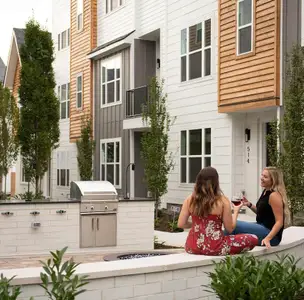
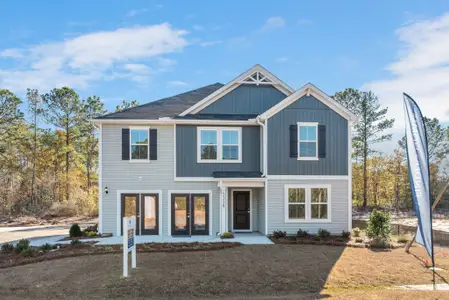
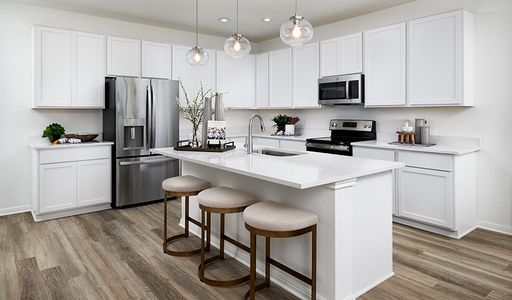 Images coming soon
Coles Ferry Village
by Century Communities, Lebanon, TN
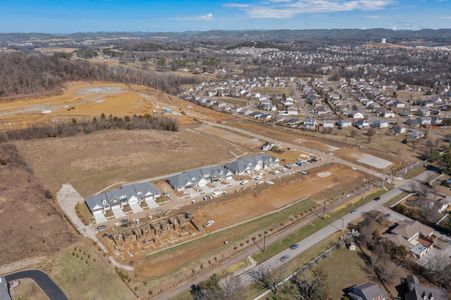
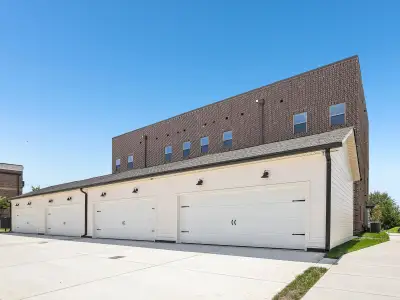
Master planned communities in Tennessee
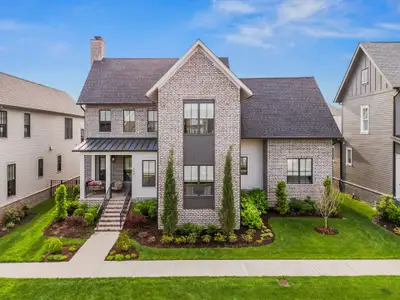
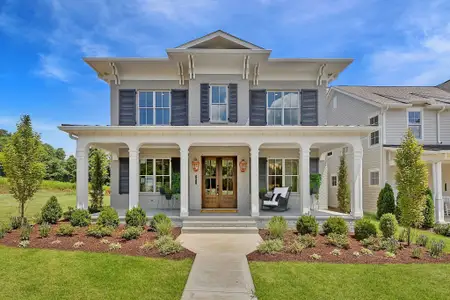
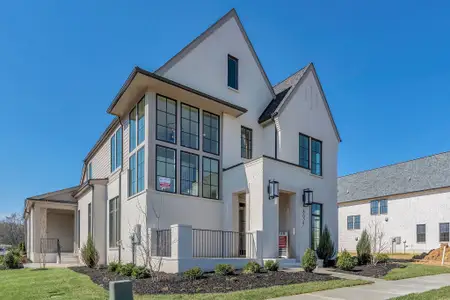

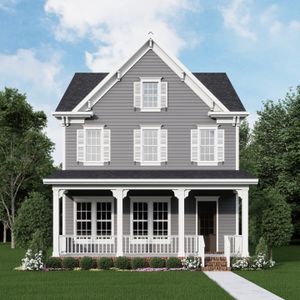
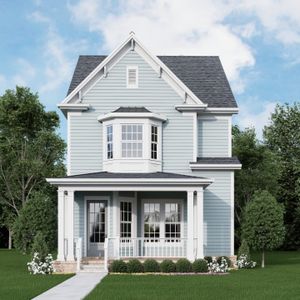
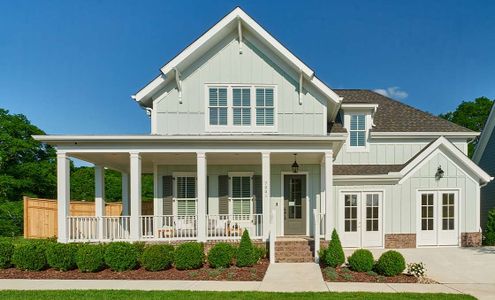
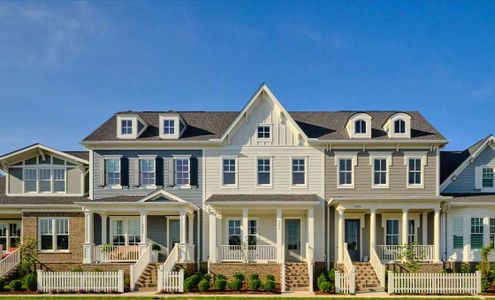
Real estate in Tennessee
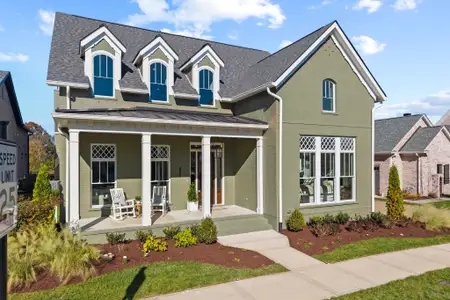
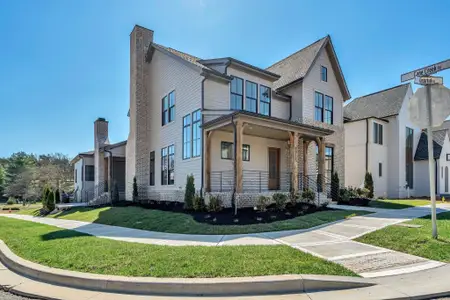
Tennessee’s real estate market in 2026 is defined by a powerful economic driver: the lack of state income tax combined with a vibrant cultural scene. While Nashville remains the glittering hub of the "Volunteer State," the real growth story has spread to the scenic foothills of Knoxville and the tech-forward revitalization of Chattanooga. The statewide median home price sits at an attractive $382,000, offering significantly more square footage for the money compared to coastal markets. This value proposition has fueled a surge in new construction, particularly in the "Middle Tennessee" ring, where builders are delivering modern, spacious communities that cater to remote workers and transplants seeking a slower pace without sacrificing amenities. For first-time buyers looking to plant roots, the Tennessee Housing Development Agency (THDA) offers one of the most accessible assistance programs in the South. The Great Choice Home Loan program is the cornerstone of this effort, providing a 30-year fixed-rate mortgage designed for moderate-income buyers. When paired with the Great Choice Plus option, you can receive up to $6,000 or 6% of the home’s purchase price (whichever is applicable to the specific loan tier) in down payment and closing cost assistance. With inventory levels rising in the suburbs and these robust financial tools available, 2026 is a prime year to secure a home in one of America’s most financially friendly states.
Newly released communities
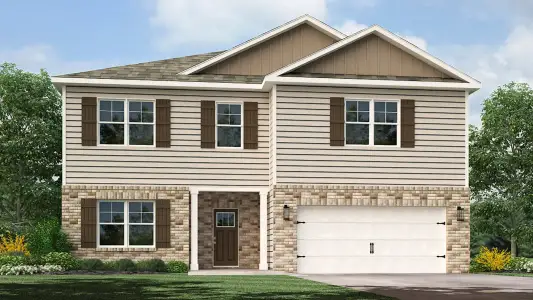
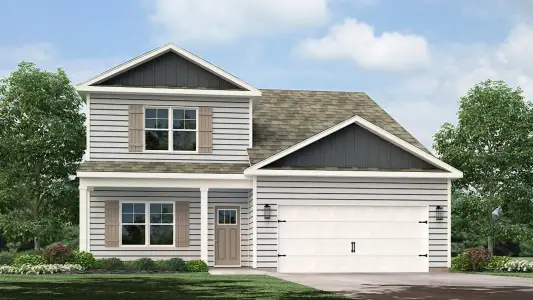
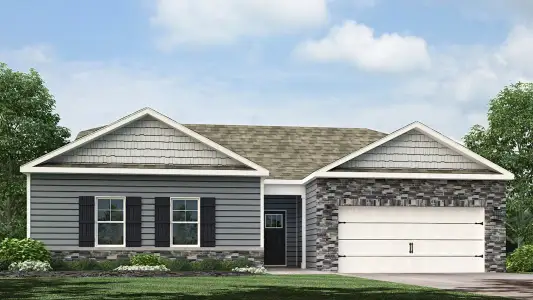
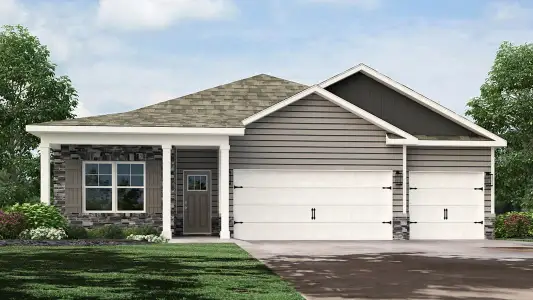
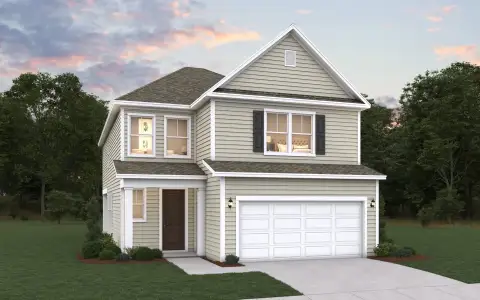
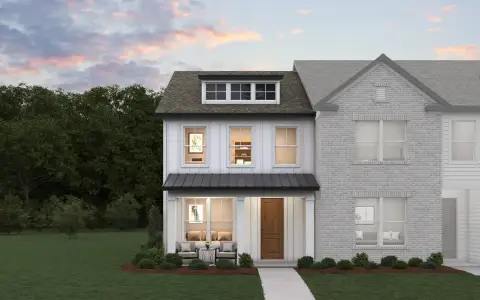
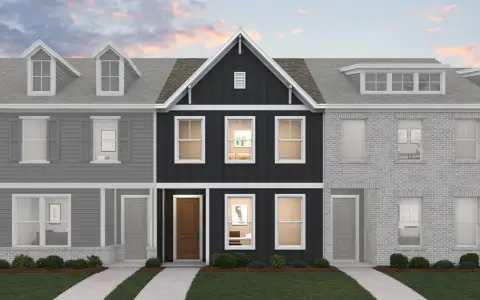
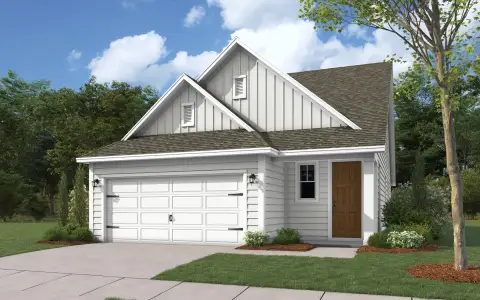
Recently listed homes
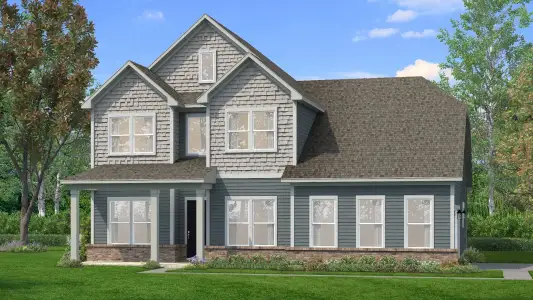
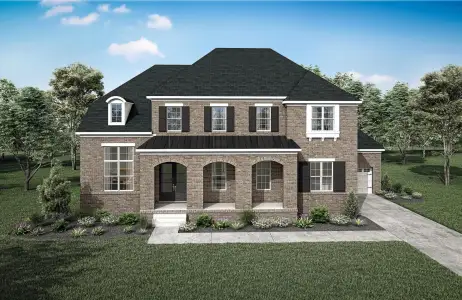
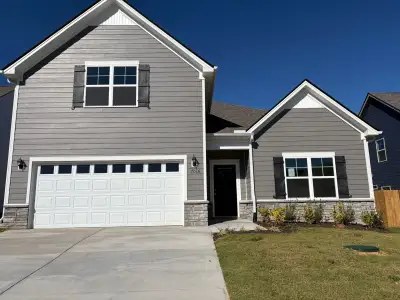
Recently published floor plans
The most popular new construction builders in Tennessee


Want to learn more about new construction?
Frequently asked questions
What is the current median sale price for a property in Tennessee?
February 2026 data indicates that the median sale price of properties in Tennessee, is $375,665. Buyers have a wide choice among 4045 new construction homes from 65 builders, each offering distinct features and designs.
Who are the major developers of new construction homes in Tennessee?
Homebuyers looking for new construction in Tennessee often choose homes built by D.R. Horton, Ole South, Lennar, Meritage Homes and Smith Douglas Homes. These developers are known for delivering quality new homes across various price ranges.
What programs help first-time home buyers in Tennessee?
In 2025, the "smart money" is frequently on builder incentives. Developers are currently using forward commitments—essentially buying blocks of money at a discount—to offer you mortgage rates 1% to 2% lower than the daily market average. This permanent monthly savings usually creates more financial stability than a one-time state grant. To see which developers are currently holding these discounted-rate blocks, search our list of Tennessee homes with Builder Incentives.
How do property taxes work for new construction in Tennessee?
Tennessee’s low property tax rates and zero state income tax give you significantly more purchasing power than in other states. However, new construction buyers need to watch out for the "Greenbelt" transition. Many new subdivisions are built on former farmland that was taxed at ultra-low agricultural rates. Your first tax bill might still reflect that raw land value, looking artificially cheap. Do not budget based on that first bill—the county will eventually reassess the property at its full "improved" residential value, likely causing a jump in year two.
Who pays the closing costs in Tennessee?
In a standard resale transaction, the buyer shoulders most of the burden, including Tennessee’s unique "Indebtedness Tax" (a mortgage recording tax of $0.115 per 100 of debt). However, in the new construction market, you can usually get the builder to pick up this tab. It is standard practice for developers to offer 5,000 to $10,000 in closing cost assistance—covering your title policy, recording taxes, and loan fees—on the strict condition that you use their preferred lender. This strategy effectively keeps your cash in your bank account rather than handing it over to the state at the closing table.
Is it better to buy in Nashville or the suburbs?
Unless you absolutely require a 5-minute commute to Broadway, the suburbs are the clear winner for value in 2025. While Davidson County prices remain steep, the "outer ring" towns—specifically Clarksville, Murfreesboro, and Lebanon—are currently offering roughly 30% more home for the same money. In these areas, you aren't just buying square footage; you are buying into master-planned communities with brand-new schools and modern infrastructure that older city neighborhoods can't match. If you are willing to drive a bit further, you can trade a cramped city lot for a spacious new build.
How long does it take to build a house in Tennessee?
Your timeline comes down to a choice between customization and certainty. If you build from the ground up, expect a 6 to 9-month process; while Tennessee builds are generally efficient, local weather patterns can easily stall foundation pours and framing. The smarter play in this interest rate environment is often the "Spec" or Inventory Home. Builders have ramped up production on these units, meaning you can find homes already at the drywall stage for a 30 to 60-day close. This prevents you from gambling on future interest rates and eliminates the stress of construction delays. To skip the wait and lock your rate today, browse our Quick Move-In Homes Available Now.