
Nashville-Memphis Area new construction market: prices, trends, guides & homes as of October 2026

How much does a new home in Nashville-Memphis Area cost?
How are new home prices changing in Nashville - Memphis, TN?
Home price data reflects current listings in Nashville-Memphis Area, Tennessee, sourced from Jome and updated regularly
*Based on Jome markets

Get free consultation with Nashville-Memphis Area expert
Get a free, no-pressure consultation with our top Nashville-Memphis Area new-construction expert. They know every major builder, the best deals and incentives, and exactly what's happening in the local new-construction market.
Nashville-Memphis Area market overview
- Overall inventory3,441
- Single-family inventory3,150
- Townhouse inventory222
- Condo inventory51
- Multi-family inventory15
- Penthouse inventory0
- 1 bed inventory20
- 2 beds inventory153
- 3 beds inventory1,387
- 4+ beds inventory1,877
- Median home price$459,990
- Median sqft price$213.04
- Median 1 bed price$229,960
- Median 2 beds price$396,695
- Median 3 beds price$389,999
- Median 4+ beds price$523,829
- Min listing price$189,990
- Max listing price$3,999,995
- Min community price$189,990
- Max community price$3,999,995
Nashville-Memphis Area median price change
| Month | Median price | Change |
|---|---|---|
| October 2025 | $459,990 | - |
| November 2025 | $440,920 | -4.15% |
| December 2025 | $439,990 | -0.21% |
| January 2026 | $449,900 | +2.25% |
| February 2026 | $455,775 | +1.31% |
| March 2026 | $454,990 | -0.17% |
What are the most popular buyers' searches?
What it's like to live in Nashville-Memphis Area?
The Nashville-Memphis corridor represents Tennessee's economic core, spanning 200 miles across the state's midsection and encompassing two cities with fundamentally different identities. Nashville has evolved into a healthcare and entertainment powerhouse with a polished, growth-focused energy. Memphis remains grounded in logistics and distribution, with a slower pace and deeper blues heritage. This guide examines both metros as part of a connected market, helping you understand which city aligns with your career path, lifestyle preferences, and financial priorities. The region's zero state income tax on wages makes both cities attractive to relocators, but the similarities largely end there.
Why people choose this market
The financial case starts with Tennessee's tax structure. No state income tax on wages means your paycheck stretches further than in most comparable metros. A household earning $120,000 annually saves roughly $5,000 to $8,000 per year compared to states like Illinois or California. That difference covers property taxes, insurance premiums, or a substantial portion of your mortgage payment.
Nashville's job market centers on healthcare and entertainment. HCA Healthcare, Vanderbilt Health, and Community Health Systems anchor one of the nation's largest medical ecosystems, employing over 100,000 people directly when you count physicians, nurses, administrators, researchers, and support staff. The music industry extends beyond Broadway's honky-tonks into recording studios, publishing houses, talent management, and live entertainment production. Recent tech growth has added companies like Amazon, Oracle, and AllianceBernstein to the employment mix, diversifying an economy once dominated by healthcare and tourism.
Memphis operates on a completely different economic model. FedEx's SuperHub processes millions of packages nightly, creating constant demand for logistics coordinators, warehouse managers, distribution specialists, and supply chain analysts. The city functions as a distribution gateway for the Southeast, with major operations from AutoZone, International Paper, and ServiceMaster adding to the employment base. The cost of living runs significantly lower than Nashville, though job growth and wage appreciation haven't matched Nashville's trajectory over the past decade.
The climate across both cities delivers humid summers, mild winters, and genuine spring and fall seasons. Summers regularly hit the low 90s with high humidity that makes outdoor activities uncomfortable from June through August. Winters rarely see sustained freezing, though occasional ice storms can disrupt infrastructure. The practical implication for homebuyers is that covered outdoor spaces actually get used most of the year, and heating costs remain manageable compared to northern states.
Understanding the Nashville-Memphis market by buyer type
The new construction landscape across this market serves distinct buyer profiles, with builders concentrating inventory in specific submarkets based on employment patterns and demographic trends. Currently, the region supports new communities in various stages of development, split roughly 60-40 between the Nashville and Memphis metros.
For Healthcare Professionals and Medical Sector Workers: Nashville's medical corridor and its surrounding suburbs dominate this segment. Doctors, nurses, medical technicians, and healthcare administrators prioritize proximity to major hospital systems and medical offices. New construction in Williamson County, Rutherford County, and southern Davidson County allows 20 to 35-minute commutes to Vanderbilt, TriStar facilities, and Saint Thomas hospitals while delivering modern floor plans with home offices and quiet spaces that shift workers need.
For Logistics, Distribution, and Manufacturing Workers: Memphis and its eastern suburbs serve this demographic almost exclusively. Workers at FedEx facilities, AutoZone's distribution centers, and manufacturing plants prioritize short commutes and maximum value per dollar. New construction in Shelby County suburbs like Collierville, Germantown, and Bartlett, plus expanding inventory in Fayette County, delivers larger lots and more square footage than comparable Nashville properties at 25% to 35% lower prices. These buyers seek practical layouts with three-car garages, workshop space, and durable finishes rather than luxury amenities.
For Music Industry and Creative Professionals: This segment splits between both cities but concentrates differently. Nashville's music industry workers, from session musicians to publishing executives, cluster in East Nashville, Germantown, and The Nations, with new townhome and condo developments serving this market. Memphis's creative sector remains smaller but centers around Cooper-Young, Midtown, and areas near the Crosstown Concourse development. New construction for this demographic emphasizes walkability, proximity to cultural amenities, and flexible spaces that can serve as studios or creative workshops. Price sensitivity varies widely, from entry-level musicians seeking affordable options to established producers investing in higher-end properties.
For Remote Workers and Corporate Relocators: Nashville attracts the majority of remote workers relocating from higher-cost states, drawn by the tax advantages, growing cultural scene, and improved restaurant and entertainment options. These buyers typically have higher budgets and prioritize modern finishes, strong internet infrastructure, dedicated office spaces, and access to airports for occasional travel. New construction in Franklin, Brentwood, and Spring Hill serves this market, with new homes currently available across the region. Memphis sees fewer remote worker relocations but attracts corporate transferees working for the logistics and distribution companies headquartered there, plus some remote workers specifically seeking lower costs and a slower pace than Nashville offers.
For First-Time Buyers and Young Professionals: Memphis provides significantly better entry points for first-time buyers. New construction townhomes and starter single-family homes in the $220,000 to $320,000 range remain available in several Memphis submarkets, while comparable Nashville inventory starts around $350,000 and climbs quickly. Young professionals working in Memphis's corporate sector can achieve homeownership years earlier than their Nashville counterparts, though they trade some of Nashville's growth trajectory and appreciation potential for immediate affordability. Nashville's first-time buyer market has been pushed to outer suburbs like Smyrna, Murfreesboro, and Mount Juliet, where commutes stretch to 35 to 45 minutes but prices remain accessible.
Cost realities across the Nashville-Memphis market
Your actual monthly housing cost extends well beyond the mortgage payment, and the differences between Nashville and Memphis create significantly different financial pictures.
- Property taxes vary substantially between the two metros. Nashville's Davidson County carries a combined rate around 3.155%, while surrounding Williamson County sits near 2.72% but applies to higher assessed values. Memphis's Shelby County runs approximately 3.39%, though suburban municipalities like Collierville and Germantown maintain lower rates. On a $400,000 home, this translates to annual tax bills ranging from roughly $10,900 in Williamson County to $13,560 in Shelby County. Verify the specific millage rate for any property you're considering, as these figures shift annually based on local budget needs.
- Sales tax across both metros ranges from 9.25% to 9.75%, among the highest in the nation. This is how Tennessee funds services without income tax. Major purchases like vehicles, appliances, and building materials for home improvements carry this premium, so factor it into long-term budget planning.
- Homeowner's insurance premiums differ based on location and specific risk exposure. Nashville properties face occasional tornado risk and severe thunderstorms. Memphis properties deal with their own weather patterns plus slightly higher property crime rates in certain zones, which affects premium calculations. New construction built to current codes earns better insurance rates because modern materials and construction techniques reduce claim likelihood. Expect annual premiums ranging from $1,400 to $2,200 for typical single-family homes, with exact costs varying based on coverage levels and deductibles.
- Utility costs favor newer construction significantly. Tennessee summers require substantial air conditioning from May through September, and older homes with outdated HVAC systems and poor insulation can see summer electric bills exceeding $300 monthly. New construction with modern insulation, efficient HVAC systems, and better window technology typically runs 25% to 35% lower for comparable square footage.
- HOA fees vary dramatically by community type. Nashville's newer master-planned communities often carry monthly fees ranging from $75 to $150 for lawn maintenance and amenity access, while townhome communities can reach $200 to $350 monthly. Memphis's HOA fees generally run lower, with many single-family communities charging $40 to $80 monthly. These fees fund neighborhood amenities, landscaping, and long-term capital reserves, but they represent permanent fixed costs that increase over time.
The new construction advantage in this market
Choosing new construction across the Nashville-Memphis corridor delivers specific benefits beyond what resale properties offer, with some advantages particularly relevant to Tennessee's climate and building practices.
- Financial Perks: Builders maintain construction momentum by moving inventory before starting new phases, creating negotiating opportunities that individual sellers can't match. Nashville's competitive market means incentives appear primarily on spec homes that have sat unsold for 60-plus days, while Memphis builders more regularly offer concessions to maintain sales velocity.
- Modern Living and Features: Current floor plans reflect actual lifestyle needs rather than outdated design conventions. Across the region's different layouts, you'll find dedicated home offices, mudrooms with drop zones, and primary suites on the main level that eliminate future accessibility concerns. Open-concept kitchens with large islands have become standard rather than premium upgrades, and walk-in pantries appear in most floor plans above 2,000 square feet.
- Climate-Specific Construction Advantages: Tennessee's humidity and temperature swings deteriorate older construction faster than in drier climates. New homes incorporate modern moisture barriers, improved HVAC systems sized correctly for the square footage, and insulation standards that older properties lack. This translates directly to lower utility bills and reduced maintenance headaches related to moisture intrusion, a persistent problem in homes built before building code updates in the early 2000s. Nashville's periodic severe weather also makes modern roofing materials and impact-resistant windows more valuable than in milder climates.
- Technology Integration: New construction includes wiring infrastructure for smart home systems, structured cabling for reliable internet throughout the house, and electrical capacity for electric vehicle charging. Retrofitting these capabilities into older homes costs thousands and often requires invasive work. For remote workers and tech-oriented buyers, this infrastructure matters more than cosmetic finishes.
- Warranty Protection: Builder warranties eliminate the immediate repair risk that resale properties carry. Structural warranties typically extend 10 years, major systems receive 2 to 5-year coverage, and workmanship issues get addressed during the first year. You won't face the surprise $7,500 HVAC replacement or $12,000 foundation repair that frequently hits buyers of older homes within the first 24 months of ownership.
Comparing Nashville versus Memphis within the market
Understanding which metro better serves your priorities requires examining specific trade-offs beyond just housing costs.
Nashville offers stronger job growth, higher wage appreciation, and better long-term real estate appreciation. Home values have increased roughly 9% to 12% annually over the past five years in desirable suburbs, significantly outpacing Memphis's 3% to 5% annual appreciation. The cultural scene has expanded dramatically, with improved restaurants, entertainment venues, and recreational options that increasingly rival larger metros. However, you'll pay substantially more for housing, face worse traffic congestion, and deal with a faster pace of change that some buyers find overwhelming. New construction in Nashville's desirable suburbs now starts around $450,000 for basic single-family homes, climbing to $650,000-plus in Williamson County.
Memphis provides better immediate affordability, shorter commutes, and a more relaxed pace of life. New construction starts around $280,000 for townhomes and $320,000 for single-family homes in decent suburbs. The lower cost basis means easier entry to homeownership and smaller monthly payments, freeing up income for other priorities. However, job growth has lagged Nashville significantly, wage increases have been modest, and home appreciation hasn't kept pace with Nashville or national averages. The cultural scene, while authentic and historically significant, offers less variety than Nashville's rapidly expanding options. Crime rates in certain Memphis neighborhoods remain a concern, though the suburbs where new construction concentrates generally maintain safer profiles.
The corridor between the two cities remains largely undeveloped farmland. Despite occasional speculation about growth along I-40, no substantial new construction activity has emerged in the 150-mile stretch between the two metros. You're choosing between distinct cities rather than a truly connected market.
Construction timelines and weather realities
The Nashville-Memphis market experiences distinct seasonal construction patterns that affect your closing timeline and planning.
For inventory homes where framing, mechanicals, and most finishes are complete, closings typically occur within 50 to 80 days. You're waiting primarily for final touches like flooring, appliance installation, and landscaping, plus loan underwriting and final inspections. This timeline works for buyers coordinating lease expirations or needing to relocate quickly for employment. Nashville's competitive market means desirable inventory homes often receive multiple offers, while Memphis inventory homes provide more negotiating room and less pressure.
For pre-construction homes where you're selecting a lot and floor plan before breaking ground, realistic timelines run 8 to 11 months across both metros. Summer thunderstorms can delay exterior work when heavy rain turns job sites into mud pits. Winter months occasionally slow foundation pours when temperatures drop below freezing, though this affects Nashville's northern suburbs more than Memphis. Spring represents the optimal construction season, with moderate temperatures and less precipitation disruption.
Builder backlogs have largely cleared after the extreme delays of 2021-2022, but specific materials can still create timeline extensions. Custom windows, specialized appliances, and certain tile selections carry longer lead times than standard options. Choosing from readily available materials versus special orders can shave 3 to 6 weeks off your construction timeline.
Contracts should specify estimated completion dates with clear extension provisions and remedies if builders exceed deadlines substantially. Tennessee law provides minimal automatic protections for construction delays, so negotiate specific terms including daily penalties after a certain date or the ability to cancel without penalty if delays exceed 60 days beyond the estimated completion. Builders resist these clauses, but they're sometimes negotiable in slower markets or on inventory homes.
The pre-closing walkthrough happens 2 to 4 days before your scheduled closing date. This inspection is your final opportunity to document incomplete work or construction defects before taking ownership. Bring a detailed checklist covering every room, test all appliances and mechanical systems, check all outlets and light switches, examine caulking and paint quality, and don't let the builder's representative rush you through the process. Any issues documented during this walkthrough become the builder's responsibility to address before closing or through a post-closing punch list with defined completion dates.
Financing strategies for this market
New construction financing in the Nashville-Memphis market requires attention to rate management across extended timelines and understanding builder-lender relationships.
Most production builders maintain preferred lender relationships with specific mortgage companies that understand their construction processes and timeline expectations. Using a preferred lender typically unlocks financial incentives including closing cost credits ranging from $3,000 to $8,000, appraisal fee waivers, and occasionally rate concessions of 0.125% to 0.25%. These benefits can total $10,000 to $15,000 in real savings, making preferred lenders worth serious consideration despite the limitation on shopping rates as aggressively.
However, you're legally entitled to use any lender you choose. Comparing at least three lenders, including one or two outside the builder's preferred list, ensures you understand the actual market rate and aren't overpaying for the convenience of the preferred relationship. Request detailed loan estimates showing all fees, points, and the effective APR rather than just headline interest rates. The difference between a 6.5% rate with $8,000 in closing cost credits versus a 6.25% rate with no credits requires actual calculation across your expected ownership period to determine which delivers better value.
Rate locks require sophisticated attention in this market. If you're signing a contract for a home that won't close for 9 months, interest rate fluctuations during construction can destroy your budget. Some builders offer extended lock programs holding your rate through the entire construction period, typically adding 0.25% to 0.375% to your rate as insurance against increases. Other lenders provide float-down options allowing you to capture a lower rate if markets improve during construction, usually for an upfront fee of $500 to $1,000.
The math matters significantly. A 1% rate increase on a $400,000 loan adds approximately $240 to your monthly payment, or $2,880 annually. Over a 30-year mortgage, that's $86,400 in additional interest. Paying 0.25% extra upfront for rate lock protection costs roughly $60 monthly on the same loan, totaling $720 annually. If there's any meaningful chance rates will increase during your construction period, the insurance pays for itself many times over.
Most lenders in this market now use single-close construction loans where your financing automatically converts when the home completes, eliminating the need for separate construction and permanent financing. Verify which structure your lender uses and understand exactly when rate locks expire and how extensions work if construction delays occur.
Working with representation in this market
The Nashville-Memphis market benefits from specialized buyer representation, particularly given the differences between the two metros and the rapid changes in inventory and pricing.
Sales representatives at model homes work directly for builders. Their compensation ties directly to selling their specific inventory at maximum price with minimal concessions. They possess detailed knowledge of their communities and floor plans but have zero obligation to help you compare against competing builders or negotiate terms protecting your interests. In Nashville's competitive market, these representatives often present offer deadlines and pressure tactics because demand remains strong. Memphis representatives generally operate with less pressure but still represent the builder's interests exclusively.
Independent buyer's agents represent your interests throughout the process. These professionals help identify which communities and builders offer the best value relative to your priorities, evaluate lot premiums and HOA structures, compare neighborhoods across both metros, and ensure contract terms protect you during construction and closing. The region supports agents specializing in new construction, with many maintaining expertise specific to either Nashville or Memphis rather than attempting to cover both markets equally.
Agent compensation comes from the builder through co-op commission, typically 3% of the purchase price, meaning representation doesn't cost you additional money. The value appears in better negotiated terms, avoided problematic contract clauses, realistic timeline expectations, and informed decisions affecting your investment for years after closing. In Nashville's hot market, experienced agents know which builders consistently deliver quality versus those with recurring issues. In Memphis's slower market, agents understand which communities have demonstrated price stability versus those struggling with resale values.
The dual-metro nature of this market makes local expertise particularly valuable. An agent focused exclusively on Williamson County may have limited knowledge of Memphis suburbs, while a Memphis specialist might not understand Nashville's rapidly changing neighborhood dynamics. Ensure your representation has genuine expertise in the specific metro where you're focusing your search.
Where can I find new homes?
Browse currently available new construction homes, communities, and floor plans across the Nashville-Memphis Area. All listings are updated daily with the latest inventory from builders. Browse all communities & new homes in Nashville-Memphis Area
Top-rated new construction communities in Nashville-Memphis Area
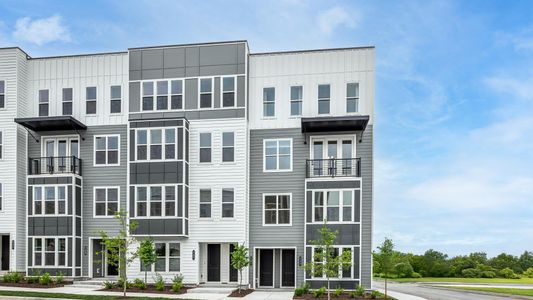
 Images coming soon
Villas at Springhouse
by Harney Homes, Manchester, TN

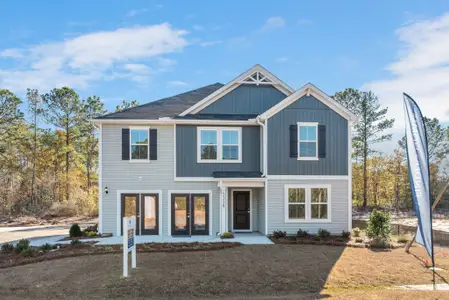
 Images coming soon
Coles Ferry Village
by Century Communities, Lebanon, TN
Master planned communities in Nashville-Memphis Area

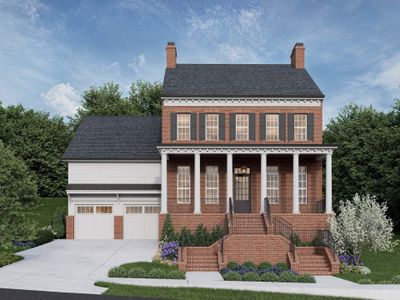
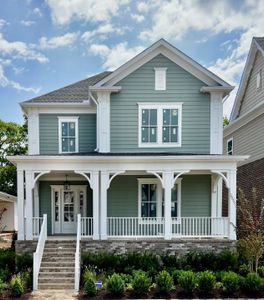
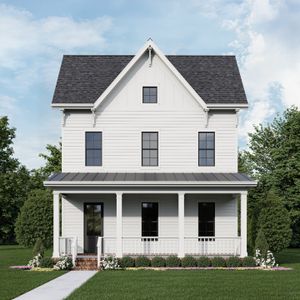
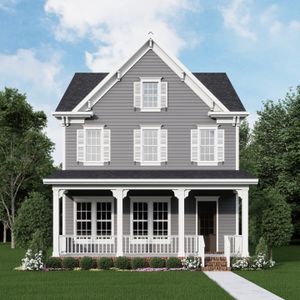
Browse communities & homes in Nashville-Memphis Area cities
Real estate in Nashville-Memphis Area
Tennessee's dynamic real estate market continues its strong performance in 2026, driven by the state's attractive tax climate and robust job growth across both Nashville and Memphis. The median home price for the combined metro areas hovers around $370,000, offering exceptional value and affordability compared to national averages. While Nashville remains a hub for entertainment and tech, Memphis is experiencing a significant resurgence, particularly in its revitalized downtown and surrounding suburban communities. Inventory levels have increased across both regions, leading to a more balanced market where buyers have greater negotiation power. This stabilization, combined with the ongoing availability of down payment assistance programs like the THDA's Great Choice Home Loan, makes 2026 an opportune year for first-time homebuyers and investors looking to capitalize on Tennessee's economic momentum.
Newly released communities
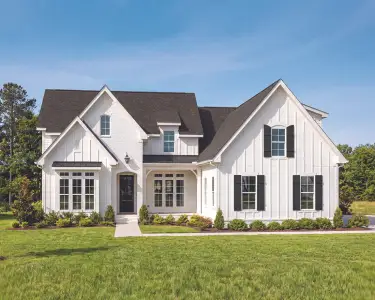
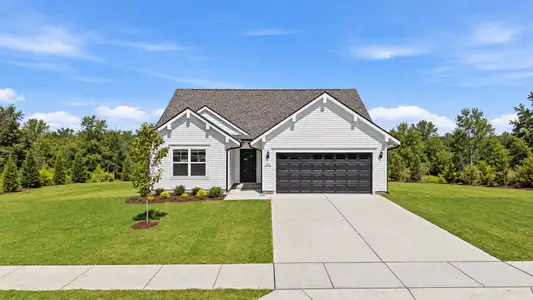
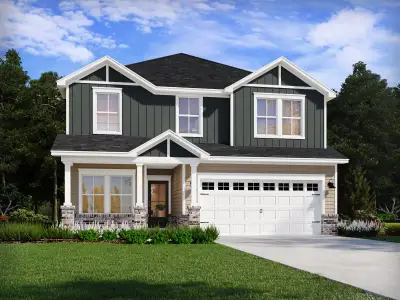
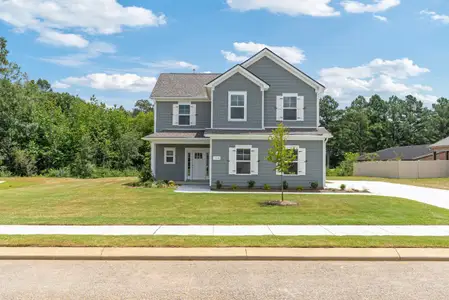
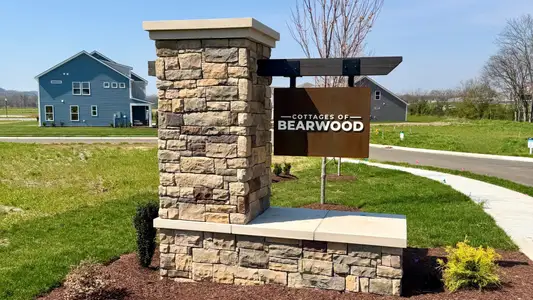
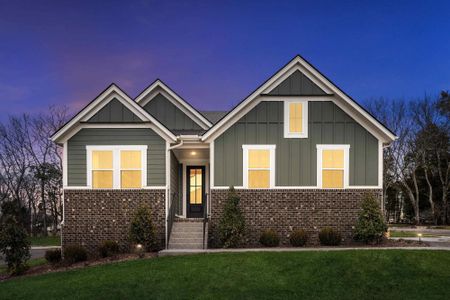
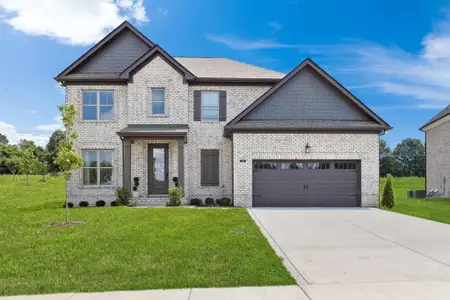
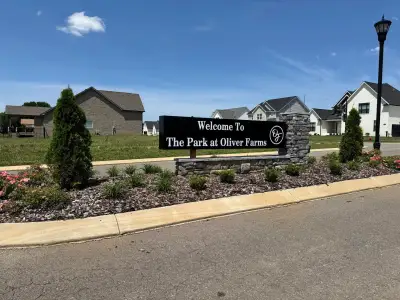
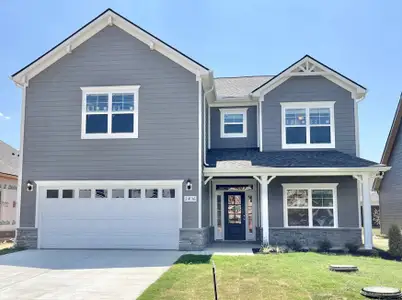
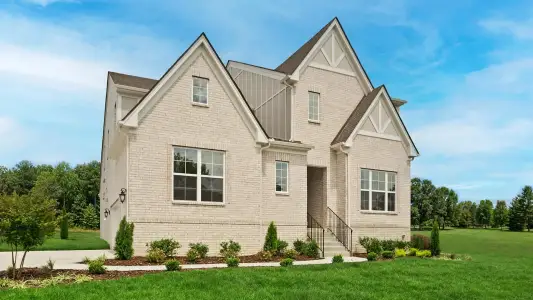
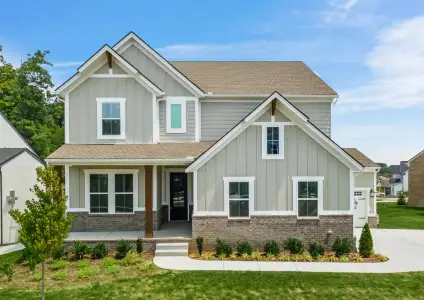
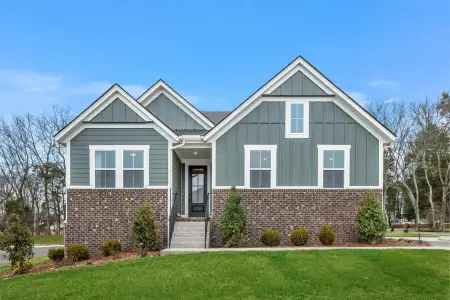
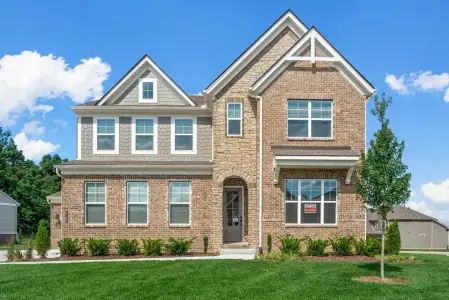
Recently listed homes
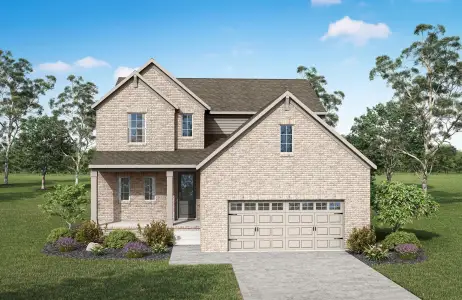
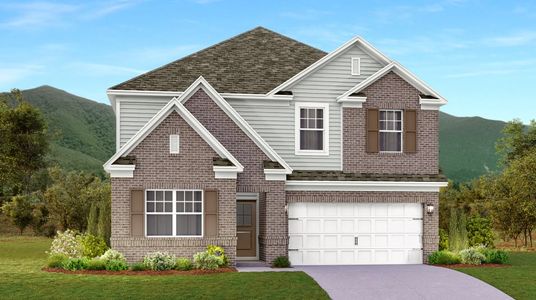
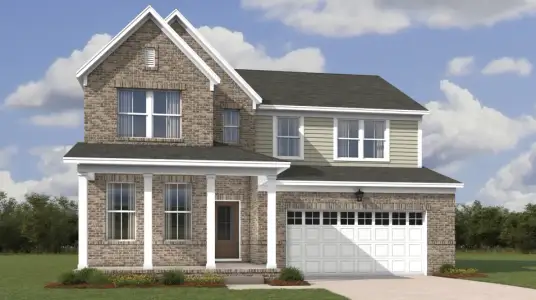
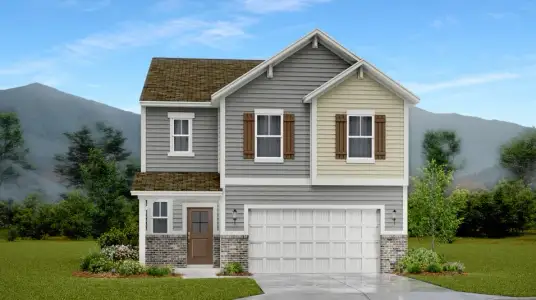
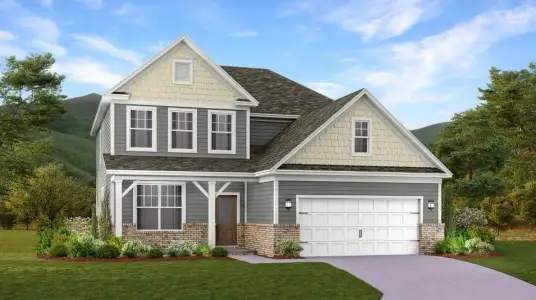
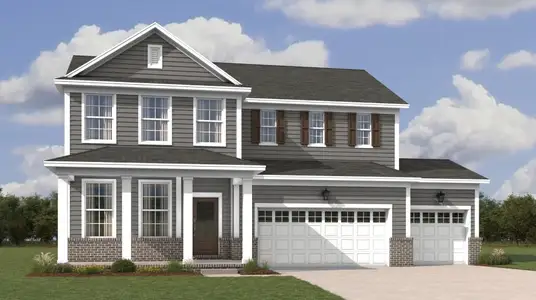
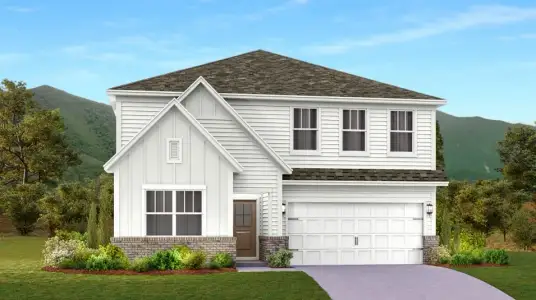
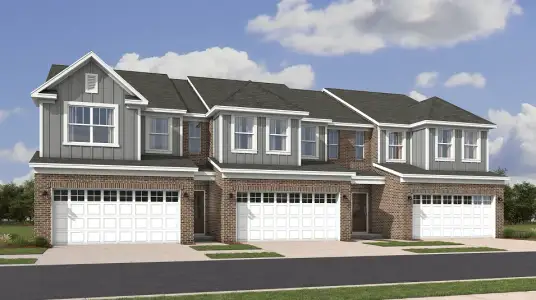
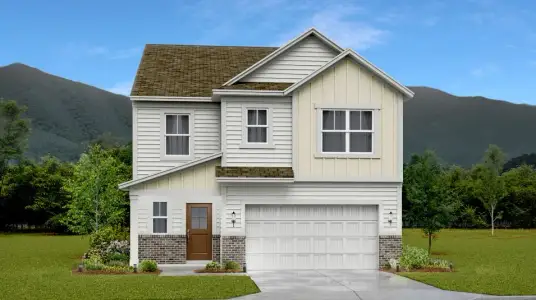
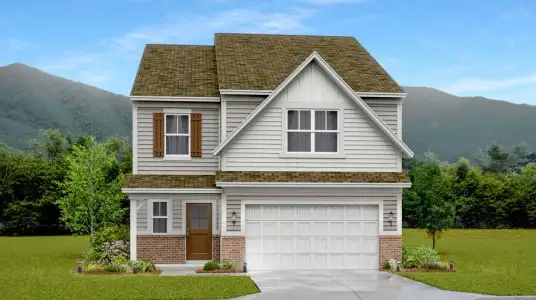
Recently published floor plans
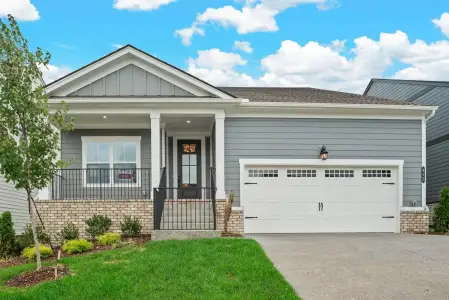
The most popular new construction builders in Nashville-Memphis Area
How does Nashville - Memphis, TN compare to other real estate markets in Tennessee?

Read about new construction on Jome blog

Frequently asked questions
What is the current median sale price for a property in Nashville-Memphis Area?
The Nashville-Memphis Area presents a median sale price of $459,990 for properties, based on the most recent data from August 2026. This figure encompasses 3441 new construction homes, each representing the vision of one of 61 innovative builders in the region.
Who are the major developers of new construction homes in Nashville-Memphis Area?
The major players in the new construction home market in Nashville-Memphis Area, are developers such as D.R. Horton, Ole South, Lennar, Meritage Homes and Grant & Co. Their expertise is evident in the quality and design of homes across various neighborhoods.
Should I buy in Nashville or Memphis?
It depends entirely on your financial goals: "Appreciation" versus "Affordability." Nashville is a high-octane growth market; you pay a premium to be near the music, healthcare jobs, and action, banking on home values continuing to skyrocket. Memphis, conversely, is one of the most affordable metros in the country. You can buy a stately, brick new-construction home in a Memphis suburb for $150,000 less than a starter home in Nashville. If you want lifestyle and equity growth, choose Nashville; if you want maximum square footage and lower mortgage payments, search for Affordable New Homes in Memphis.
Where are the best suburbs to buy near Nashville?
As Nashville prices push outward, the "smart money" is following the interstate. Williamson County (Franklin/Brentwood) remains the gold standard for schools and luxury, but it is priced accordingly. For value, buyers are flocking north to Clarksville (Montgomery County) and south to Murfreesboro (Rutherford County). Clarksville, in particular, is booming because it offers a reasonable commute to Nashville but with home prices that are significantly lower, often under $350k for new builds.
How is "Blue Oval City" changing the market?
Ford’s massive Blue Oval City EV plant in Stanton (located between Memphis and Nashville) is the single biggest real estate catalyst in Tennessee history. It has turned the sleepy I-40 corridor into a boomtown. We are seeing a surge of new construction in towns like Brownsville, Arlington, and Jackson to house the thousands of incoming workers. For buyers, this is a "ground floor" opportunity to buy in areas that are rapidly transforming from rural to suburban. To invest in this emerging corridor before prices peak, check out New Homes near Blue Oval City.
How much do I save with Tennessee’s tax benefits?
The "Tennessee Raise" is real. Because Tennessee has zero state income tax, your purchasing power is instantly higher here than in most other states. This effectively subsidizes your mortgage; the money that used to vanish from your paycheck can now go directly toward a larger home or a shorter loan term. However, keep in mind that it can be offset this with a slightly higher sales tax (around 9.5%). To see how far your tax-free income stretches in the housing market, browse our inventory of New Construction Homes in Tennessee.
Is it safe to buy new construction in Memphis?
Memphis is a street-by-street market, but the new construction zones are overwhelmingly concentrated in the "Safe Ring" suburbs to the east. Areas like Collierville, Germantown, and Arlington are distinct municipalities with their own police forces, top-tier school districts, and low crime rates. These towns offer a completely different lifestyle than the city center, featuring master-planned communities and sprawling lots.