
Chattanooga–Knoxville Area new construction market: prices, trends, guides & homes as of October 2026

How much does a new home in Chattanooga–Knoxville Area cost?
How are new home prices changing in Chattanooga – Knoxville, TN?
Home price data reflects current listings in Chattanooga–Knoxville Area, Tennessee, sourced from Jome and updated regularly
*Based on Jome markets

Get free consultation with Chattanooga–Knoxville Area expert
Get a free, no-pressure consultation with our top Chattanooga–Knoxville Area new-construction expert. They know every major builder, the best deals and incentives, and exactly what's happening in the local new-construction market.
Chattanooga–Knoxville Area market overview
- Overall inventory1,166
- Single-family inventory1,106
- Townhouse inventory46
- Condo inventory0
- Multi-family inventory12
- Penthouse inventory0
- 1 bed inventory1
- 2 beds inventory59
- 3 beds inventory573
- 4+ beds inventory533
- Median home price$333,275
- Median sqft price$184.12
- Median 1 bed price$0
- Median 2 beds price$279,000
- Median 3 beds price$305,642.5
- Median 4+ beds price$360,975
- Min listing price$199,650
- Max listing price$889,000
- Min community price$199,650
- Max community price$889,000
Chattanooga–Knoxville Area median price change
| Month | Median price | Change |
|---|---|---|
| October 2025 | $353,735 | - |
| November 2025 | $353,990 | +0.07% |
| December 2025 | $359,825 | +1.65% |
| January 2026 | $355,110 | -1.31% |
| February 2026 | $354,135 | -0.27% |
| March 2026 | $352,705 | -0.40% |
What are the most popular buyers' searches?
What it's like to live in Chattanooga–Knoxville Area?
East Tennessee's two primary metros operate as distinct markets connected by geography and shared Appalachian character rather than economic integration. Knoxville functions as a college town and regional healthcare hub, anchored by the University of Tennessee and a sprawling medical corridor. Chattanooga has reinvented itself as an outdoor recreation destination with surprisingly robust tech infrastructure, leveraging its revitalized downtown and proximity to climbing, hiking, and water sports. The 110 miles separating them represent genuine mountain terrain rather than suburban sprawl, so you're choosing between two independent cities that happen to share a mountain range. This guide examines both markets for buyers seeking lower costs than Nashville, better outdoor access than Memphis, and the particular lifestyle balance that only mid-sized mountain cities provide.
Why people choose this region
The financial advantage starts with Tennessee's zero state income tax on wages, putting more money in your pocket compared to most states. For a household earning $100,000 annually, that translates to $4,000 to $6,000 in annual savings versus states like North Carolina, Georgia, or Virginia. In markets where median home prices run 30% to 40% below Nashville's comparable properties, that tax savings combined with lower housing costs creates substantial financial breathing room.
Knoxville's economy centers on education, healthcare, and research. The University of Tennessee employs over 11,000 people directly and generates economic activity supporting another 30,000 jobs across the metro. The university's presence creates a more educated workforce, supports a growing startup ecosystem, and provides cultural amenities unusual for a city of 190,000. The medical corridor extending from UT Medical Center through multiple hospital systems employs physicians, nurses, researchers, and administrators in numbers that rival much larger cities. Oak Ridge National Laboratory, 25 miles west, adds another employment dimension with high-paying positions in nuclear research, supercomputing, and advanced manufacturing that draw professionals from across the country.
Chattanooga built its economic revival around three pillars. EPB's municipal fiber network, installed in 2010, made it one of the first US cities with gigabit internet speeds, earning the "Gig City" nickname and attracting tech companies and remote workers who need reliable connectivity. The outdoor industry has grown substantially, with companies like Access Fund, Five Ten, and numerous smaller operations choosing Chattanooga specifically for proximity to climbing and trail access. Traditional manufacturing remains significant, with Volkswagen's North American assembly plant and Amazon's regional fulfillment center providing steady employment for thousands of blue-collar workers.
The mountain setting defines daily life in ways that flat-terrain cities can't replicate. Both metros sit in valleys surrounded by the Cumberland Plateau and the Appalachian Mountains, putting serious hiking, climbing, and mountain biking within 20-minute drives of most neighborhoods. Summers run hot and humid in the valleys, though temperatures drop noticeably at elevation. Winters bring occasional snow and ice that can disrupt infrastructure for a few days at a time, something to consider if you're relocating from southern climates. The mountains create genuine four-season weather with spectacular fall foliage and extended spring blooms that make outdoor spaces genuinely usable from March through November.
Understanding the Chattanooga-Knoxville market by buyer type
The new construction landscape across East Tennessee serves buyer profiles distinctly different from what you'll find in Nashville or Memphis, shaped by outdoor culture, university influence, and specific industry concentrations.
For University-Connected Professionals and Faculty: Knoxville dominates this segment almost exclusively. Professors, administrators, researchers, and graduate students with families seek proximity to UT's campus while wanting more space and better schools than downtown neighborhoods provide. New construction in West Knoxville, Farragut, and parts of Knox County provides 15 to 25-minute commutes to campus while delivering access to strong public schools and established neighborhoods. These buyers prioritize walkability to parks and greenways, access to cultural amenities like theaters and museums, and floor plans with dedicated office space for academic work.
For Outdoor Recreation Enthusiasts and Lifestyle Migrants: Chattanooga captures the majority of buyers relocating specifically for mountain access and outdoor lifestyle. Rock climbers, mountain bikers, trail runners, and paddlers have made Chattanooga a destination market, often taking remote positions or lower-paying local jobs in exchange for daily access to world-class climbing and trail systems. New construction in North Shore, Red Bank, and Soddy-Daisy areas serves this demographic with homes emphasizing garage storage for gear, proximity to trailheads, and communities where neighbors share outdoor interests.
For Manufacturing and Logistics Workers: Both metros serve this demographic but through different industrial bases. Chattanooga's Volkswagen plant and Amazon facility anchor a blue-collar employment sector seeking practical homes with short commutes. New construction in Cleveland, East Ridge, and Hamilton County's outer areas delivers maximum square footage per dollar, typically emphasizing three-car garages, durable finishes, and larger lots where buyers can store recreational vehicles and equipment. Knoxville's manufacturing sector, though smaller, concentrates around the I-40 and I-75 corridors, with buyers seeking similar value propositions in Knox and Blount Counties. These buyers prioritize functional layouts over designer finishes, with price points typically ranging from $280,000 to $420,000 depending on location and lot size.
For Remote Workers and Tech Professionals: Chattanooga's gigabit fiber infrastructure has made it a legitimate draw for remote tech workers and small tech companies. These buyers need reliable, fast internet for video conferencing and large file transfers, something EPB's network delivers better than most markets five times its size. New construction in Chattanooga's urban core and inner suburbs serves this demographic with modern floor plans featuring dedicated office space, strong connectivity, and proximity to downtown's growing restaurant and cultural scene. Knoxville attracts remote workers as well, though its draw centers more on university proximity and lower costs than specific infrastructure advantages.
For Healthcare Professionals and Medical Sector Workers: Knoxville's medical corridor creates substantial demand from physicians, nurses, medical technicians, and healthcare administrators. Multiple hospital systems including UT Medical Center, Covenant Health, and Tennova create employment density that drives housing demand in West Knoxville and Farragut particularly. These buyers prioritize short commutes to hospitals where shift work and on-call schedules make proximity valuable, plus access to good schools for families. New construction serving this market emphasizes quiet neighborhoods removed from student housing areas, modern floor plans with primary suites suitable for shift workers needing to sleep during daytime hours, and price points ranging from $380,000 to $600,000. Chattanooga's smaller healthcare sector creates similar but less concentrated demand, with Erlanger Health System and CHI Memorial serving as primary employers.
For Retirees and Semi-Retired Lifestyle Buyers: Both metros attract retirees from colder climates seeking milder winters, outdoor access, and lower costs than continuing to live in the Northeast or Midwest. These buyers often seek single-story ranch layouts, master-on-main configurations, and communities with lower maintenance requirements than large-lot suburban homes. Tennessee's lack of state income tax becomes particularly attractive for retirees living on fixed incomes with pension and investment distributions. New construction serving this segment emphasizes accessibility features, energy efficiency that controls fixed costs, and proximity to quality healthcare facilities. Knoxville's university presence provides cultural and educational opportunities through UT's Osher Lifelong Learning Institute and access to sporting events and performances. Chattanooga's downtown walkability and riverfront development appeal to active retirees seeking urban amenities with mountain access. Price points typically range from $300,000 to $480,000, with buyers often downsizing from larger properties in previous markets.
Cost considerations across East Tennessee
Your actual monthly housing cost extends beyond the mortgage payment, and East Tennessee's cost structure differs from both Middle and West Tennessee in specific ways.
- Property taxes run lower than Nashville but vary significantly by county and municipality. Knox County carries a combined rate around 2.29%, while Hamilton County sits near 2.78%, though these figures shift annually based on local budget requirements. On a $350,000 home, expect annual tax bills ranging from roughly $8,015 in Knox County to $9,730 in Hamilton County. However, specific cities within these counties add their own millage rates, so verify the exact rate for any property you're considering. Smaller surrounding counties like Blount, Anderson, and Bradley often carry lower rates but with correspondingly fewer services and longer commutes to employment centers.
- Sales tax across both metros ranges from 9.25% to 9.75%, reflecting Tennessee's strategy of funding government without income tax. Major purchases including vehicles, appliances, and building materials carry this premium. The effective cost shows up when you're buying a $45,000 SUV and facing $4,000-plus in sales tax, or adding $2,000 to the cost of appliance and flooring upgrades for your new home.
- Homeowner's insurance requires location-specific attention. Mountain proximity brings specific risks that insurers price into premiums. Properties at higher elevations or backed up to wooded areas face increased wildfire risk that coastal Tennessee doesn't consider. Both metros sit in zones with occasional severe weather including tornadoes and damaging thunderstorms. New construction earns better insurance rates because modern building codes, impact-resistant roofing, and updated electrical systems reduce claim probability. Expect annual premiums ranging from $1,200 to $2,000 for typical single-family homes, with exact costs varying based on coverage levels, deductibles, and specific property location.
- Utility costs favor newer construction substantially, particularly for heating and cooling. East Tennessee's temperature swings require both robust air conditioning and functional heating systems. Older homes with outdated HVAC equipment and poor insulation can see combined monthly utility bills exceeding $280 during summer and winter peaks. New construction with modern insulation standards, efficient HVAC systems sized correctly for the square footage, and better window technology typically runs 30% to 40% lower for comparable square footage. The mountains create microclimates where elevation differences of just 300 feet can affect heating costs noticeably.
- HOA fees remain generally lower than Nashville but vary by community type and included amenities. Most single-family communities charge $40 to $95 monthly for basic lawn maintenance and common area upkeep. Townhome communities typically range from $150 to $275 monthly, with the higher end including exterior maintenance, roof replacement reserves, and access to pools or fitness facilities. Master-planned communities with extensive amenities can reach $200 monthly for single-family homes. These represent permanent fixed costs that typically increase 3% to 5% annually.
The new construction advantage in mountain markets
Choosing new construction in East Tennessee delivers specific benefits shaped by mountain terrain, climate patterns, and the particular building challenges that elevation creates.
- Modern Living and Features: The region's available layouts increasingly reflect remote work realities and outdoor lifestyle priorities. Floor plans now routinely include dedicated offices with French doors that separate work space from living areas, mudrooms with built-in benches and storage for hiking boots and climbing gear, and oversized garages with additional height clearance for kayak storage and bike racks.
- Mountain-Specific Construction Advantages: Building on sloped terrain requires engineering and foundation work that older homes may not have addressed properly. New construction incorporates modern drainage systems, properly engineered retaining walls, and foundation designs that account for hillside settlement patterns. This prevents the moisture intrusion and foundation shifting that plague older mountain homes built before current engineering standards. Modern HVAC systems are sized for the elevation and specific lot orientation, something older homes often got wrong, leading to rooms that never quite reach comfortable temperatures. Energy efficiency matters more when you're heating and cooling through genuine seasonal swings, and new construction's improved insulation and air sealing delivers monthly savings that compound over years of ownership.
- Fiber and Internet Infrastructure: Chattanooga's municipal fiber network reaches most new construction automatically, providing gigabit speeds that remote workers and tech professionals require. Knoxville's private providers have expanded fiber coverage substantially, though some outer suburbs still rely on cable internet. New construction includes structured wiring that older homes lack, making it easier to achieve strong WiFi coverage throughout the house and run hardwired connections to home offices where video conferencing demands stable bandwidth.
- Warranty Protection: Builder warranties eliminate immediate repair risks that mountain properties specifically face. Steep lots can develop drainage issues, retaining walls may settle, and foundation movement can occur as hillsides stabilize. Ten-year structural warranties covering these issues provide protection that resale homes don't offer. Major systems receive 2 to 5-year coverage, and workmanship issues get addressed during the first year. You avoid the surprise $9,000 HVAC replacement or $6,500 retaining wall repair that can hit buyers of older mountain homes within the first few years.
Comparing Chattanooga versus Knoxville
Understanding which metro better serves your priorities requires examining trade-offs that extend beyond housing costs to lifestyle and long-term prospects.
Knoxville offers stronger job diversity, deeper cultural amenities through UT's presence, and better long-term appreciation potential based on sustained growth patterns. Home values have increased roughly 6% to 9% annually over the past five years in desirable suburbs like Farragut and West Knoxville. The university creates intellectual community, supports a vibrant arts scene, and generates economic stability through good times and recessions. Traffic congestion remains manageable compared to Nashville, though growth is beginning to stress infrastructure in certain corridors. New construction in Knoxville's desirable suburbs typically starts around $340,000 for basic single-family homes, climbing to $500,000-plus in premium locations near top-rated schools. The metro feels like a scaled-down version of larger university towns, with similar cultural advantages but at more accessible price points.
Chattanooga provides superior outdoor access, better downtown walkability, and more concentrated cultural energy despite its smaller size. The riverfront development, extensive trail networks, and proximity to world-class climbing create lifestyle advantages that Knoxville can't match. EPB's fiber network delivers infrastructure more advanced than cities ten times Chattanooga's size, making it genuinely functional for remote tech workers and small companies. New construction costs run roughly equivalent to Knoxville, starting around $320,000 for townhomes and $360,000 for single-family homes in decent locations. However, job diversity remains more limited, with fewer employment options if your current position ends. Home appreciation has been solid at 5% to 8% annually, though not quite matching Knoxville's trajectory.
The 110 miles between them includes Sweetwater, Athens, and other small towns, but no substantial suburban development connecting the two metros. You're choosing between distinct cities rather than a connected market. Some buyers work remotely and choose based purely on lifestyle preferences. Others must prioritize employment access, which likely means Knoxville unless you work in manufacturing, logistics, or have position flexibility.
What the building process actually looks like here
Construction timelines in East Tennessee follow seasonal patterns that flat-terrain markets don't experience, affecting your planning and expectations.
For inventory homes where framing and most interior work is complete, closings typically happen within 55 to 85 days. You're waiting for final finishes, landscaping completion, and loan underwriting. Winter inventory homes often sit longer because buyer traffic drops significantly when cold weather and occasional snow keep people from touring, creating negotiating opportunities but also meaning builders are less motivated to offer concessions since they know spring will bring traffic. Summer represents peak buying season, with families timing moves to school schedules and outdoor enthusiasts most active when they can readily access the recreation that drew them here.
For to-be-built homes where you're selecting a lot before construction begins, realistic timelines run 8 to 12 months depending on lot conditions and seasonal weather. Hillside lots require more extensive site preparation than flat terrain, often involving significant excavation, retaining wall construction, and engineered drainage systems before foundation work even begins. This preparation phase can take 6 to 10 weeks on challenging lots versus 2 to 3 weeks on flat sites. Winter weather slows exterior work more than in Middle or West Tennessee, particularly when ice and snow make hillside access dangerous for crews. Foundation pours require temperatures above freezing for proper curing, and steep sites become hazardous when ice-covered. Spring mud season, typically March and early April, can halt work when saturated hillsides make equipment access impossible.
Builders familiar with mountain construction account for these realities in their timelines, but first-time buyers from flat-terrain markets often underestimate the complexity. A hillside lot that appears simple may require $30,000 to $50,000 in additional site work compared to a flat lot, costs that should appear in your contract but sometimes surface later as "unforeseen site conditions." Get detailed site evaluations before signing contracts on sloped lots, and verify what site work is included versus what might trigger additional charges.
Contracts should specify completion dates with weather extension provisions that account for East Tennessee's seasonal realities while still protecting you from indefinite delays. Reasonable contracts might include language allowing 30-day extensions for weather delays beyond historical norms, but requiring builder notification within specific timeframes and capping total extensions at 60 days. You want protection against builders using weather as indefinite excuse for poor project management while recognizing that genuine weather delays do occur more frequently than in flatter regions.
The pre-closing walkthrough happens 3 to 5 days before closing. Pay particular attention to grading and drainage on hillside lots, checking that water flows away from the foundation and that temporary erosion controls are functioning. Test all mechanical systems, examine caulking around windows and doors where mountain weather can drive water intrusion, and verify that retaining walls show no signs of movement or poor construction. Don't rush this process even if the builder's representative suggests everything is fine. Issues documented during walkthrough become the builder's responsibility to address before closing or through a detailed punch list with completion dates.
Financing in markets where dirt work costs matter
New construction financing in East Tennessee requires attention to how lot conditions affect costs and how regional lenders understand mountain construction realities.
Most production builders maintain preferred lender relationships, typically with regional banks and credit unions familiar with East Tennessee construction practices. These lenders understand that hillside lots legitimately cost more to develop and that construction timelines can extend due to weather without indicating builder problems. Using preferred lenders often unlocks incentives including closing cost credits ranging from $4,000 to $10,000, appraisal fee waivers, and occasionally rate concessions of 0.125%. These benefits make preferred lenders worth strong consideration, particularly since regional lenders may provide better ongoing service than large national banks with no local presence.
However, compare at least two or three lenders to understand actual market rates. Request detailed loan estimates showing all fees and the effective APR, not just headline rates. Pay attention to how lenders handle lot premiums and site work costs, as some will question why your $380,000 home includes $40,000 for site development when comparable homes on flat lots don't carry those charges. Lenders familiar with mountain construction understand these costs; those without local experience may create underwriting delays questioning legitimate line items.
Rate locks matter significantly when construction timelines extend 9 to 11 months. Some builders offer extended locks holding your rate through construction, typically adding 0.25% to 0.375% to your rate as insurance. Others provide float-down options letting you capture lower rates if markets improve, usually for upfront fees of $750 to $1,200. The protection is worth the cost if there's meaningful risk of rate increases during your build period. A 1% increase on a $350,000 loan adds roughly $210 monthly, or $2,520 annually. Paying 0.25% extra upfront for lock protection costs about $53 monthly on the same loan, totaling $636 annually. If rates increase even 0.5% during construction, the insurance pays for itself.
Most lenders now use single-close construction loans where your financing converts automatically at completion. Verify the structure your lender uses and understand exactly when rate locks expire and how extensions work if weather delays push closing dates. Some builders offer rate lock extension guarantees if delays result from weather rather than their construction management, protecting you from paying additional lock costs due to circumstances beyond anyone's control.
Working with agents who understand mountain markets
East Tennessee's terrain creates specific considerations that agents without mountain market experience may not fully understand, making specialized representation valuable.
Sales representatives at model homes work for builders and focus on selling their inventory at maximum price with minimal concessions. They know their floor plans and communities thoroughly but provide no assistance comparing against competing builders or protecting your interests during contract negotiations. In this market, they may not fully explain site work costs on hillside lots or help you evaluate whether a lot with views justifies significant premiums over flat alternatives. Their job is selling their community, not providing objective market analysis.
Agent compensation comes from builders through co-op commission, typically 3% of purchase price, meaning representation doesn't cost you additional money. The value appears in avoided expensive mistakes like purchasing a lot with problematic drainage that will cause ongoing issues, negotiated better terms on site work costs, realistic timeline expectations accounting for seasonal weather, and guidance toward builders with strong reputations versus those with recurring quality complaints.
Mountain market expertise specifically matters when evaluating lots. An experienced agent recognizes when a hillside lot requires concerning amounts of retaining wall work that may develop problems years later, identifies lots where afternoon sun exposure will make outdoor spaces unusable during summer, and understands which elevations experience more ice and snow during winter versus valleys that stay warmer. This knowledge prevents expensive mistakes that agents from flat-terrain markets wouldn't recognize as issues.
Where can I find new homes?
Browse currently available new construction homes, communities, and floor plans across the Chattanooga–Knoxville Area. All listings are updated daily with the latest inventory from builders. Browse all communities & new homes in Chattanooga–Knoxville Area
Top-rated new construction communities in Chattanooga–Knoxville Area
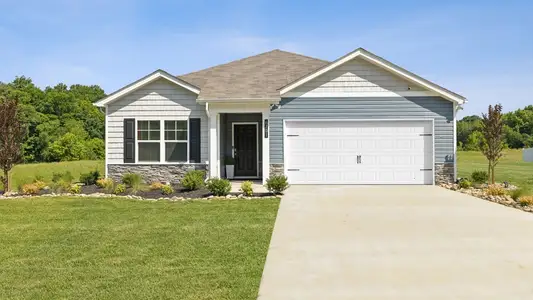
 Images coming soon
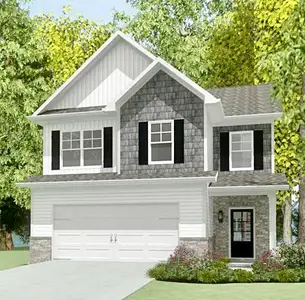
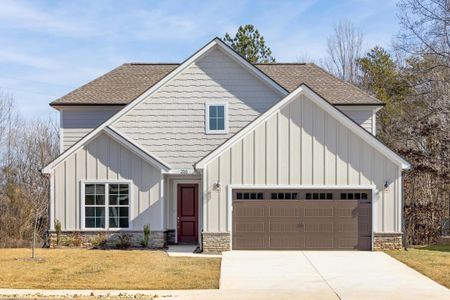
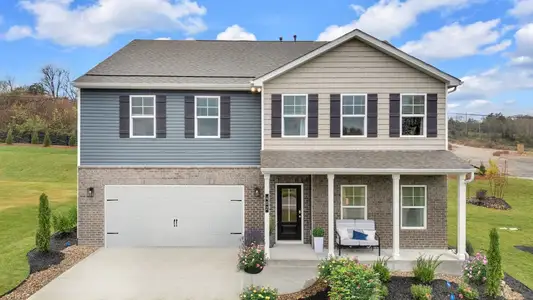
Brow Creek
by Paces Ferry Builders, Signal Mountain, TN

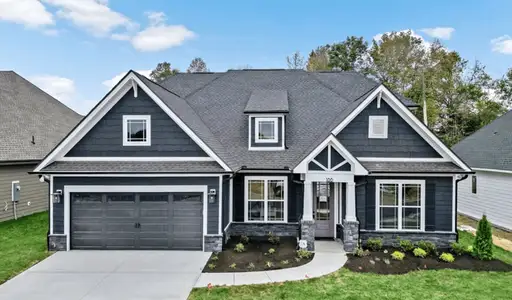
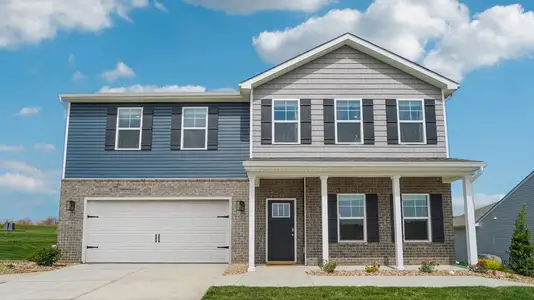
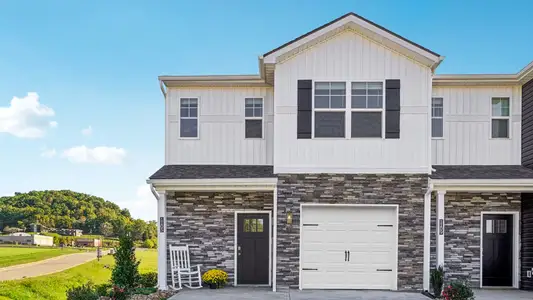
Browse communities & homes in Chattanooga–Knoxville Area cities
Real estate in Chattanooga–Knoxville Area
As of early 2026, the Chattanooga–Knoxville corridor has emerged as a premier destination for buyers seeking a blend of scenic beauty and economic vitality. The median home price has stabilized near $375,000, offering significant value compared to national averages. While Chattanooga continues to attract tech talent and Knoxville draws those seeking the mountain lifestyle, both markets are benefiting from a surge in new construction that has restored balance to the housing supply. For prospective homeowners, this means more leverage and fewer bidding wars. The region’s affordability is further bolstered by the Tennessee Housing Development Agency (THDA), which continues to offer competitive fixed-rate mortgages and down payment assistance. With inventory levels rising in the suburbs and strong state-backed incentives, 2026 presents an ideal window to plant roots in East Tennessee.
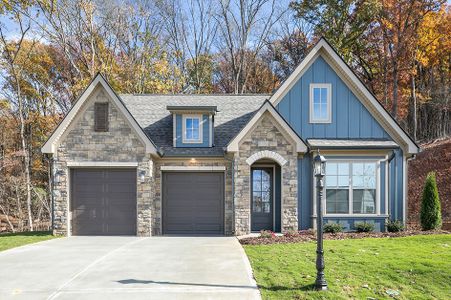
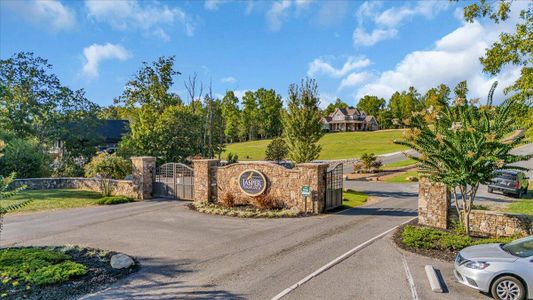
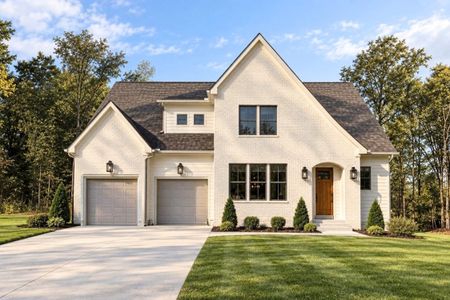
Newly released communities
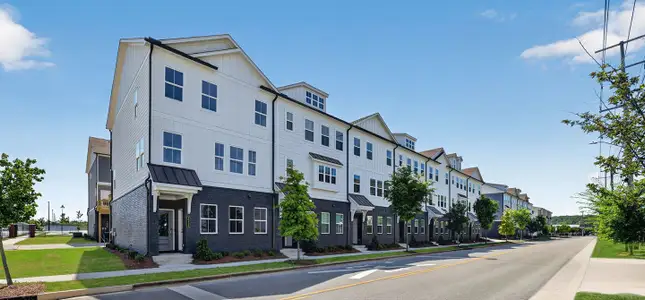
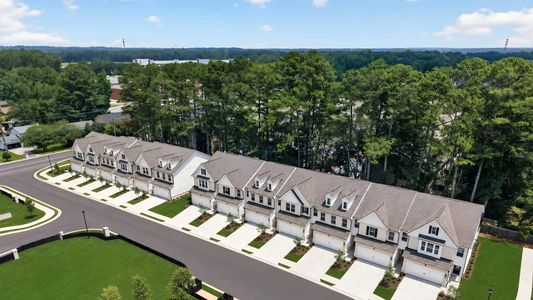
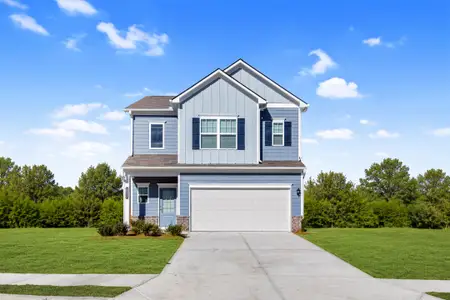
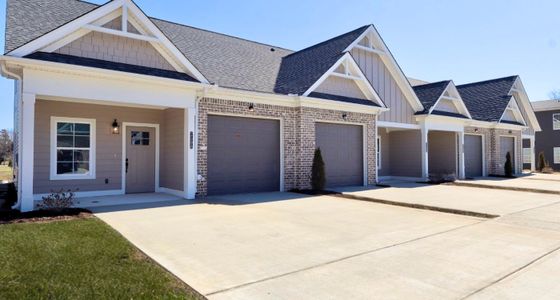
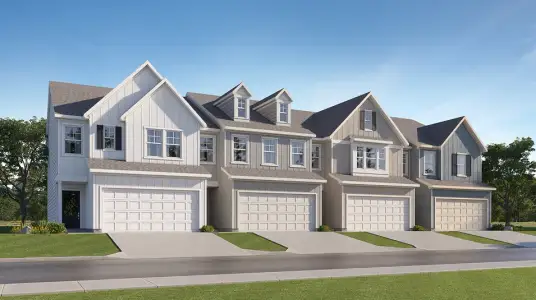
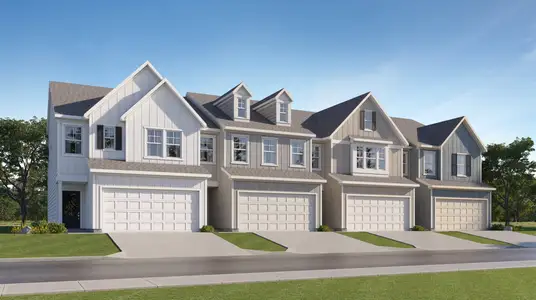
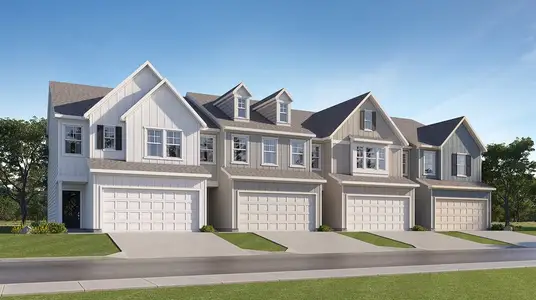
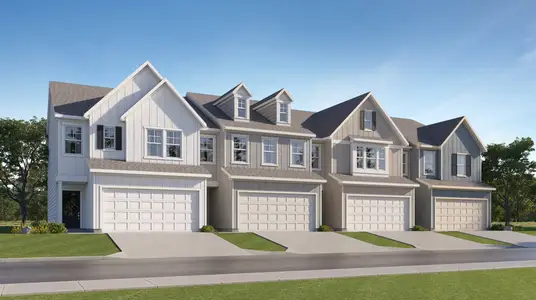
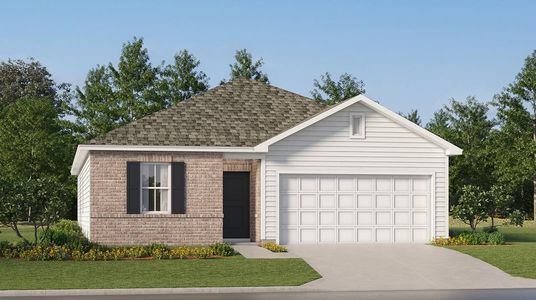
Recently listed homes
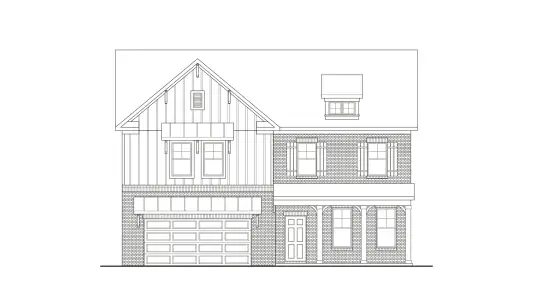
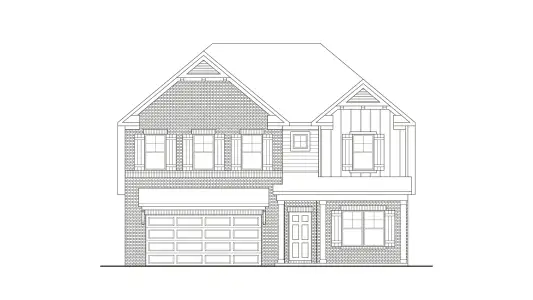
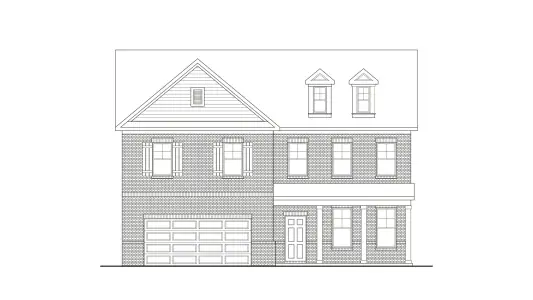
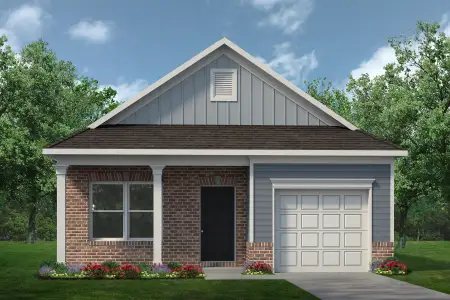
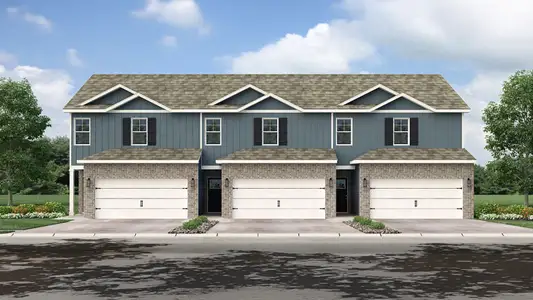
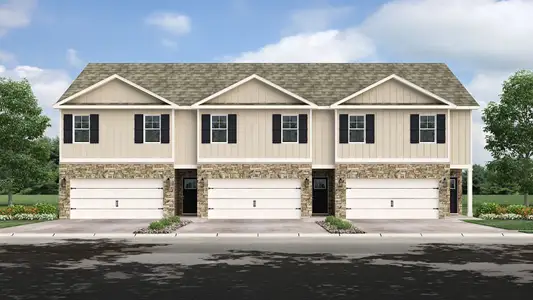
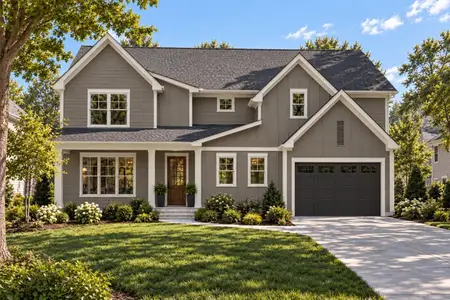
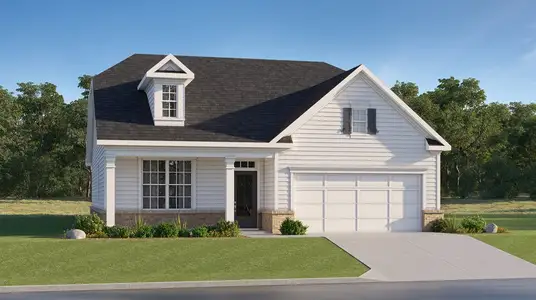
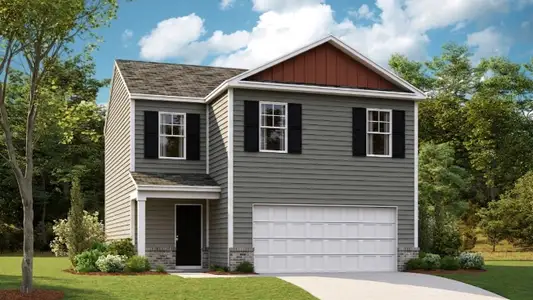
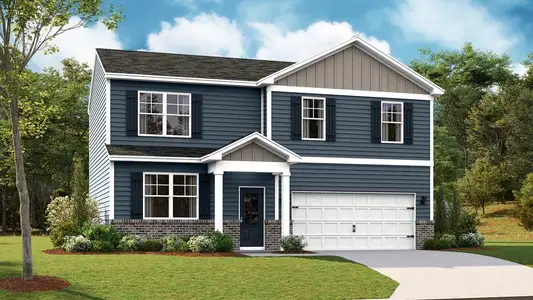
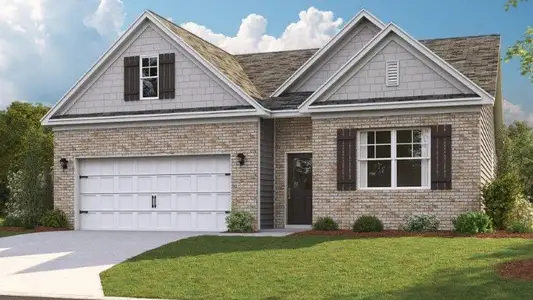
Recently published floor plans
The most popular new construction builders in Chattanooga–Knoxville Area



How does Chattanooga – Knoxville, TN compare to other real estate markets in Tennessee?

Read about new construction on Jome blog

Frequently asked questions
What is the current median sale price for a property in Chattanooga–Knoxville Area?
As of August 2026, property seekers in the Chattanooga–Knoxville Area can expect a median sale price of $333,275. This figure encompasses 1166 newly built residences, each crafted by one of 14 respected builders in the region.
Who are the major developers of new construction homes in Chattanooga–Knoxville Area?
Homebuyers looking for new construction in Chattanooga–Knoxville Area often choose homes built by D.R. Horton, Riverstone Construction, LLC, Smithbilt Homes, Greentech Homes LLC and Smith Douglas Homes. These developers are known for delivering quality new homes across various price ranges.
Is it better to buy in Chattanooga or Knoxville?
While both offer mountain scenery, the economic engines are different. Chattanooga is the "Tech and Start-up" hub, famous for its lightning-fast municipal internet and riverfront lifestyle, making it a magnet for younger remote workers. Knoxville is the "Academic and Science" hub, anchored by the University of Tennessee and Oak Ridge National Lab. It tends to be slightly more traditional and stable, attracting families and retirees who want proximity to the Great Smoky Mountains National Park. To decide between the River City and the Marble City, compare our listings in Chattanooga vs. Knoxville New Homes.
Why is Chattanooga called "Gig City," and does it matter for homebuyers?
This is not just a marketing slogan; it is a utility reality. Chattanooga was the first city in the Western Hemisphere to offer citywide 10-Gigabit internet through its municipal provider, EPB. For remote workers, this makes the city arguably the best home office location in the South. New construction communities here are wired for these speeds from day one, meaning you get enterprise-level connectivity in your living room.
Is the "Volkswagen Effect" still driving Chattanooga housing?
Absolutely. The massive Volkswagen assembly plant (and its shift to EV production) has turned the Ooltewah and Collegedale areas northeast of the city into booming residential corridors. These suburbs offer a quick commute to the plant while providing a quieter, more pastoral lifestyle than downtown. We are seeing a surge of new master-planned communities here designed specifically for the automotive and manufacturing workforce. To live near the region's biggest economic engine, check out New Homes near Volkswagen Chattanooga.
What should I know about building on mountain terrain?
In East Tennessee, "flat" is a luxury item. Because of the ridge-and-valley topography, many new home sites in both Chattanooga and Knoxville are "sloped" or "basement" lots. This is actually a benefit for many buyers, as it allows for a walk-out basement that adds massive, inexpensive square footage to your floor plan. However, you need to be prepared for steeper driveways and terraced backyards rather than a flat football field of grass. To find the right lot for your lifestyle, filter for Homes with Basements.
Where are the best school districts in Knoxville?
The growth in Knoxville is pushing heavily west, following the top-rated schools. The Farragut and Hardin Valley corridors are the current gold standards for education, driving a massive boom in new construction. Families are flocking to these areas because they offer brand-new, large-scale high schools and modern infrastructure that older neighborhoods in the city center lack. Be aware that home prices in these zones reflect the demand, often commanding a premium over North or South Knoxville. To find the best education for your kids, explore New Homes in Hardin Valley & Farragut.