
New construction homes for sale in Gaston County, NC
335 homes
Deal spotlight: real Jome success stories

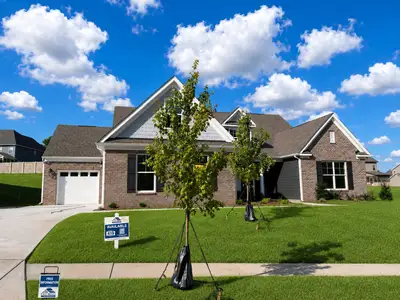
Ana V.
First-time buyer with $500 down
We went from renting a crumbling home to owning a 4-bed with $500 down — Jome made it possible.
Bought with Jome - July 2025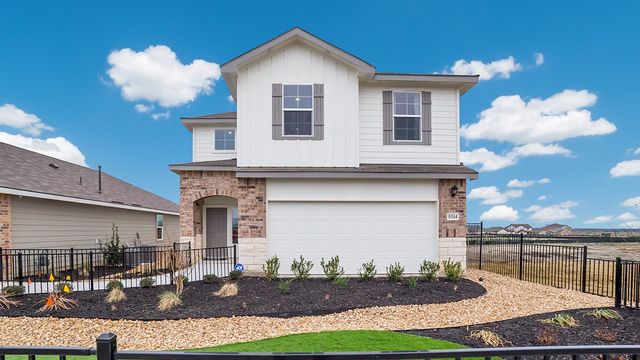
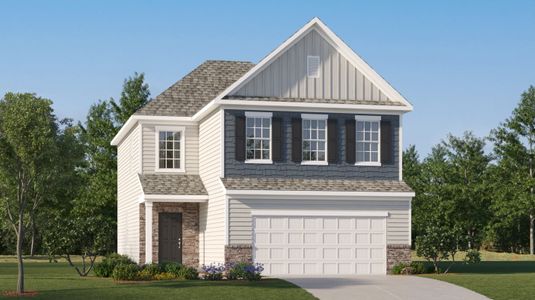
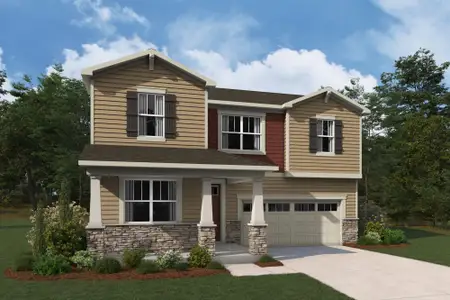
Avenida by D.R. Horton
- 4 bd
- 2 ba
- 2 stories
- 1,891 sqft
Savings breakdown
Monthly payment
$1,679/mo$2,384/moSaved $705/moCash to close
$10,500$18,500Saved $8,000🔥 Deal worth: $16,640
Includes: lowered monthly investment, closing cost reduction
Why this home is a match:
- 4 bedrooms
- Modern finishes
- Open layout
- Family-friendly area
We'll match you to similar homes
Rachel P.
Turned down twice. Now a proud homeowner — with nothing due at closing!
I fixed my credit, worked with Jome, and got my home with $850 down — no closing costs.
Bought with Jome - July 2025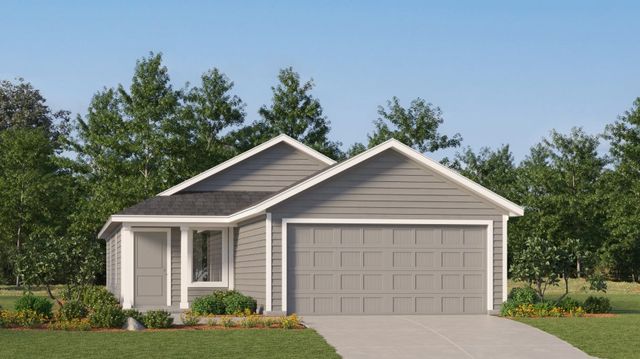
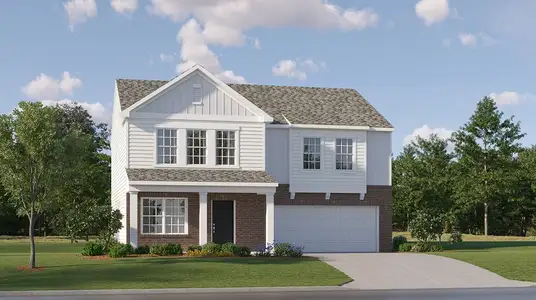
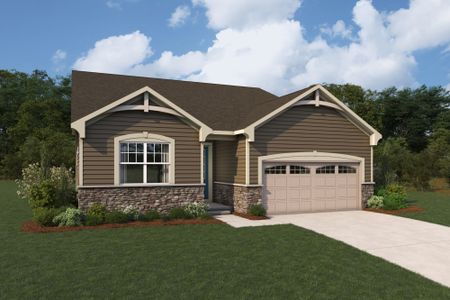
Landon Ridge by Lennar
- 3 bd
- 2 ba
- 1 story
- 1,266 sqft
Savings breakdown
Monthly payment
$1,600/mo$2,047/moSaved $447/moCash to close
$850$12,350Saved $11,500🔥 Deal worth: $20,514
Includes: lowered monthly investment, closing cost reduction
Why this home is a match:
- Affordable
- Manageable payments
- Fresh start
- Smart Layout
We'll match you to similar homes

Ankit S.
Locked in 3.99% — now paying what they did in rent
With Jome's help, we locked in 3.99% and now own a home for the same monthly payment as our rent.
Bought with Jome - July 2025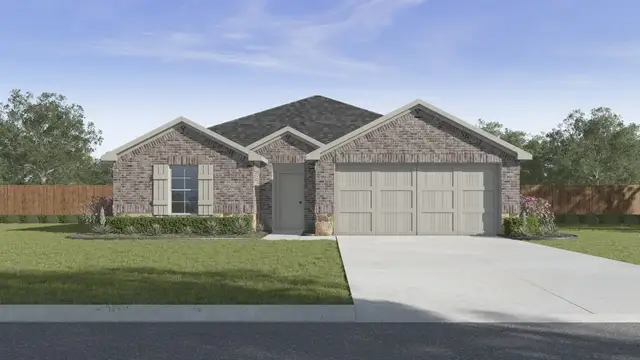
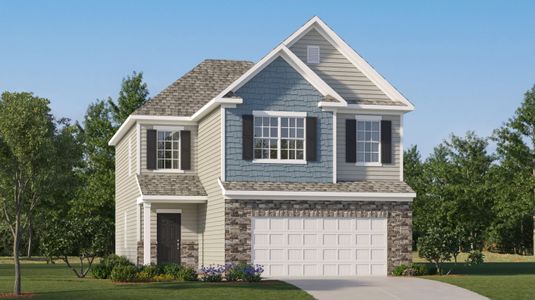
Frontier Pointe by D.R. Horton
- 2 bd
- 2 ba
- 1 story
- 1,123 sqft
Savings breakdown
Monthly payment
$1,553/mo$2,364/moSaved $811/moCash to close
$6,633$18,720Saved $12,087🔥 Deal worth: $21,819
Includes: blinds, refrigerator, gutters, garage door opener
Why this home is a match:
- 3.99% interest
- Modern Kitchen
- Energy Efficient
- Extras included free
We'll match you to similar homes
 How much home can you afford?Get a quick estimate of how much you can afford based on common lender's approval criteria.
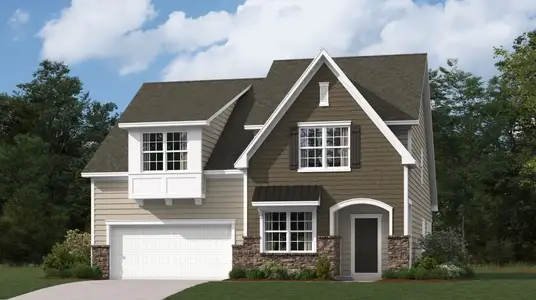
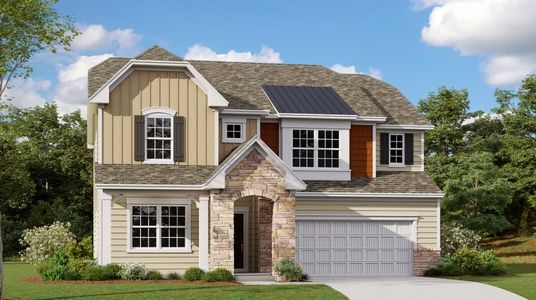
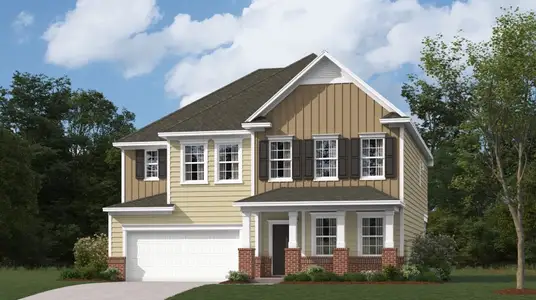
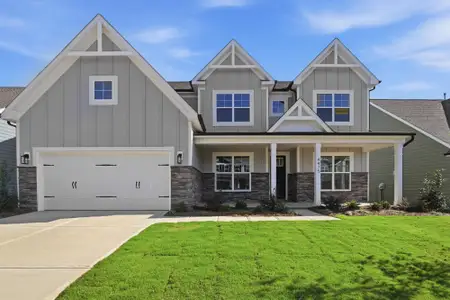
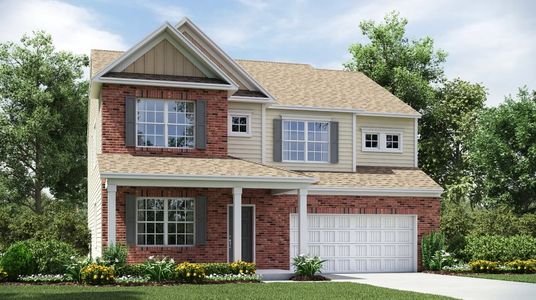
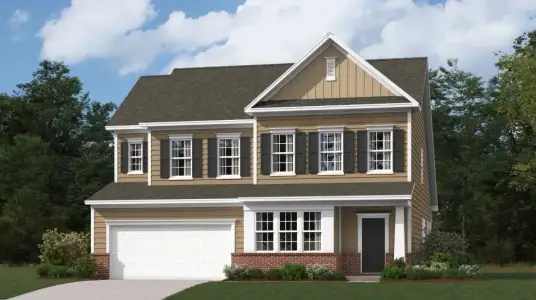
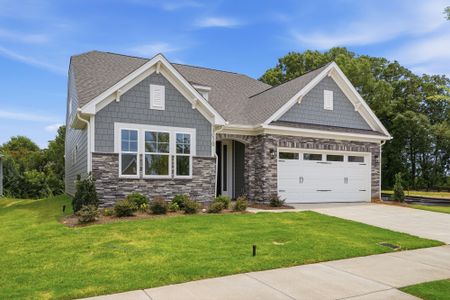
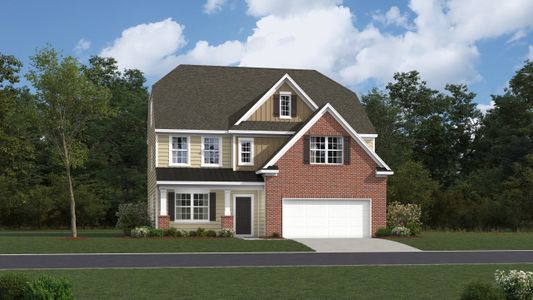
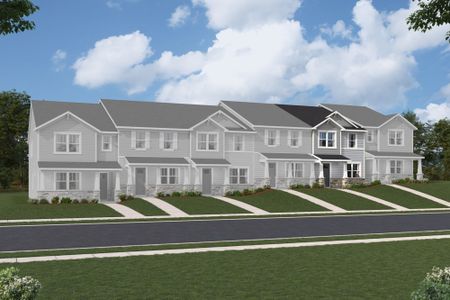
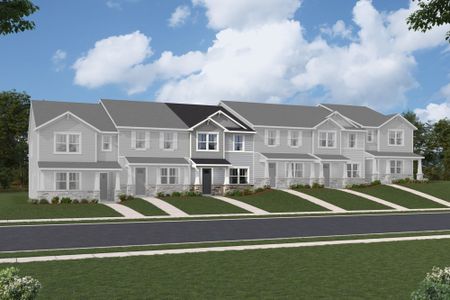
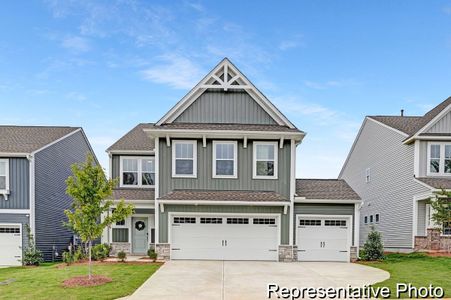
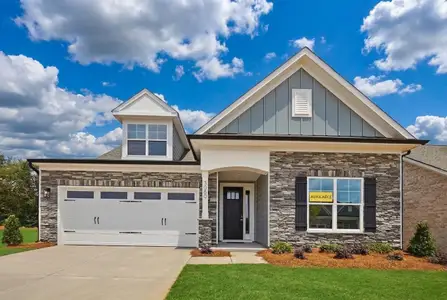
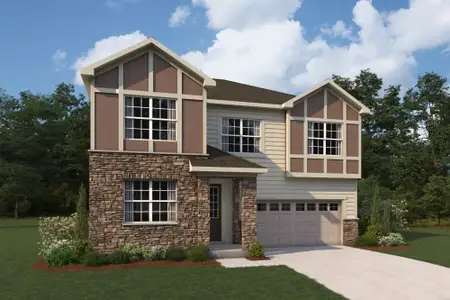
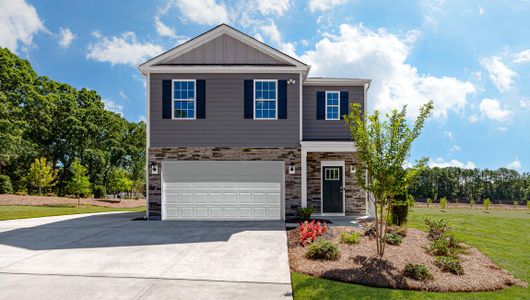
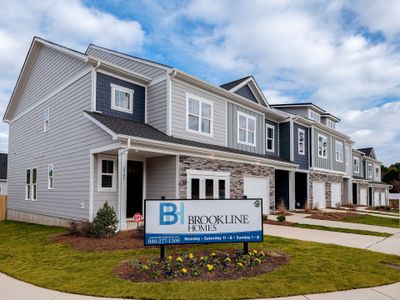
New home communities in Gaston County, NC
35 communities
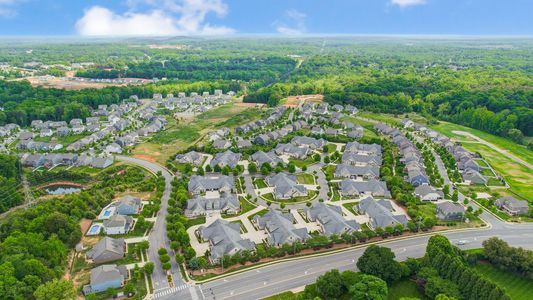


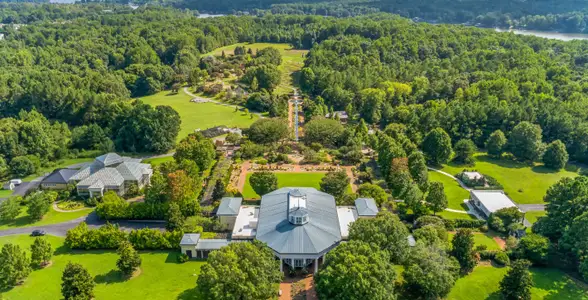


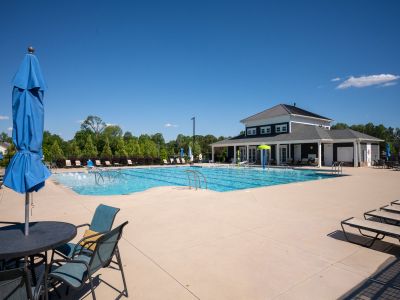


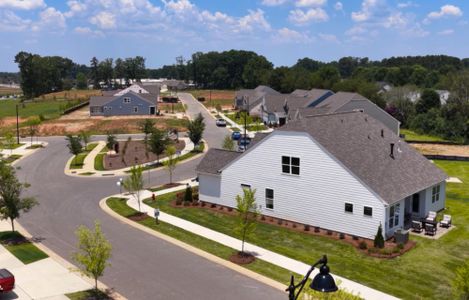


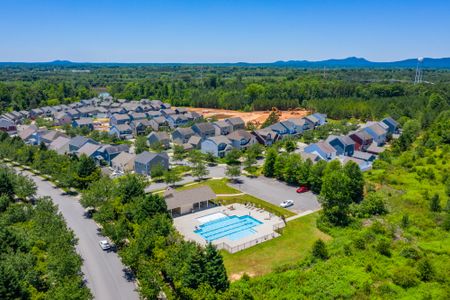


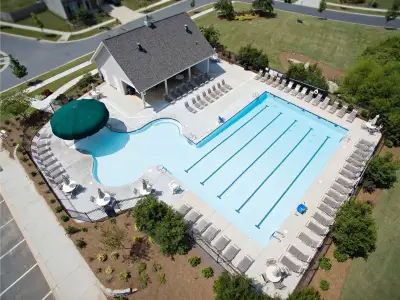


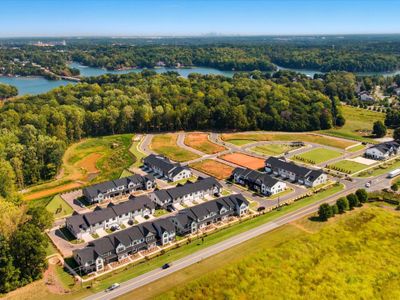


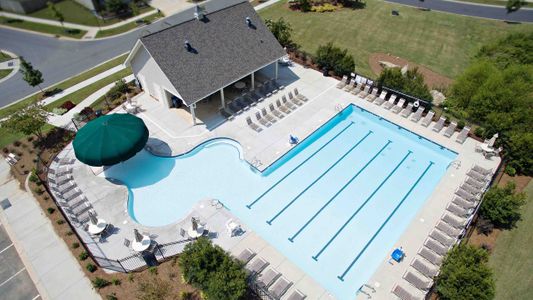


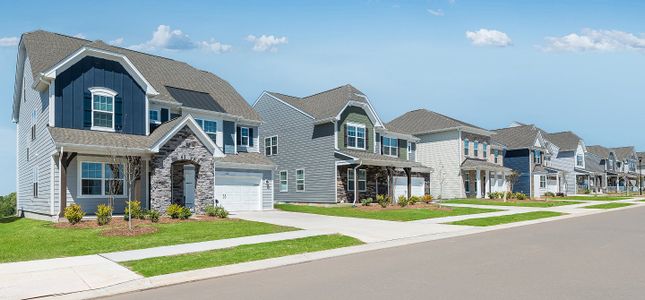





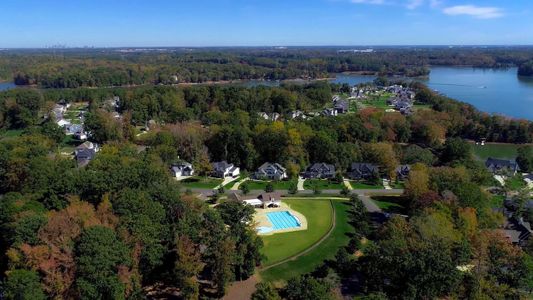
Master Planned Communities in Gaston County, NC
2 master planned communities
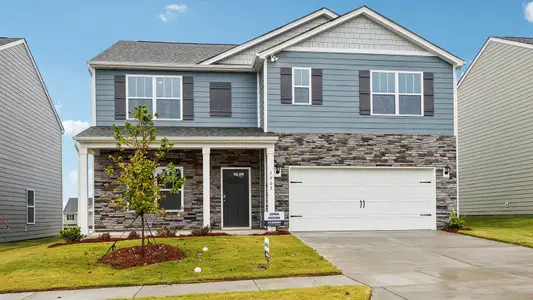
Recently Added Communities in Gaston County, NC
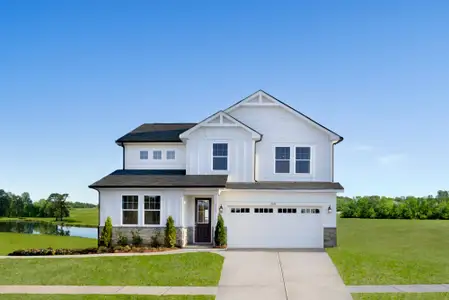




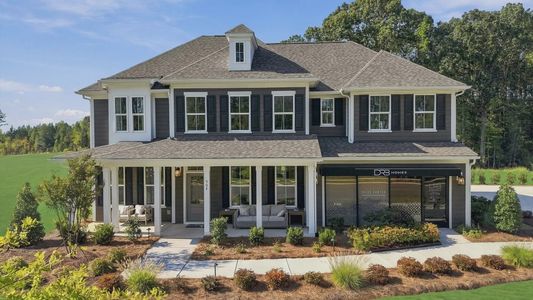


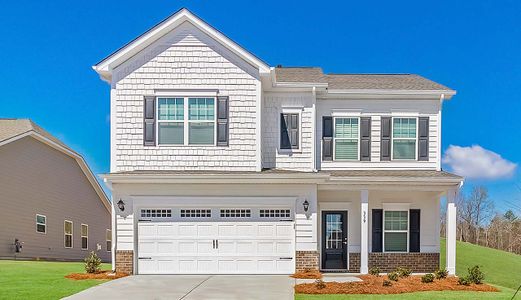
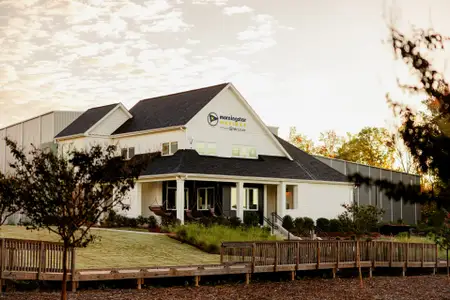


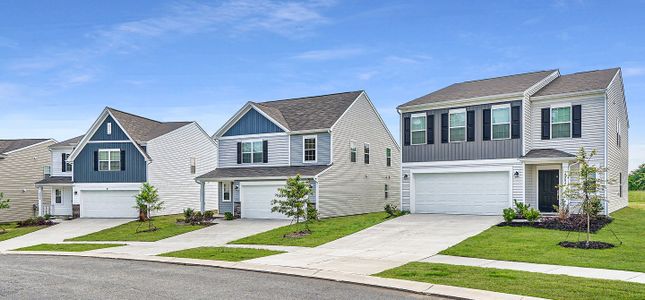
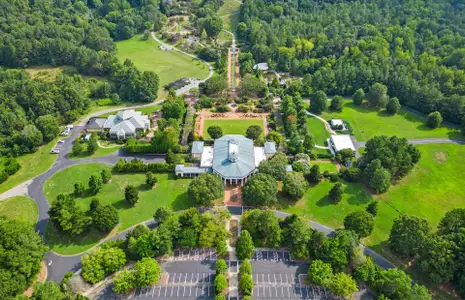





Popular Communities in Gaston County, NC
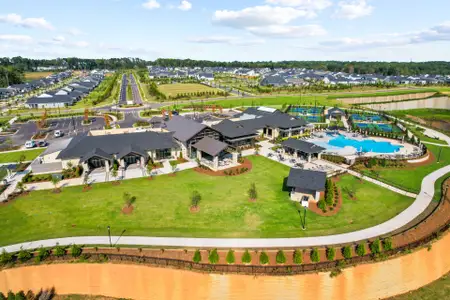






- Jome
- New homes search
- North Carolina
- Gaston County
Housing market in Gaston County, NC
- StateNorth Carolina
- Cities37
- Single family303
- Townhouses23
- Multi family2
- Condominiums0
- Active builders20
- Starting price$259,000
- Median price$404,990
- Price per square foot$180.33
Real estate price trends
Home price data reflects 335 listings in Gaston County, NC, sourced from Jome and updated regularly
*Based on Jome markets
What it's like to live in Gaston County?
Economic & Geographic Profile
Manufacturing, healthcare, and logistics drive the economy in Gaston County, which serves as a vital western extension of the Charlotte metropolitan area. Proximity to Interstate 85 and the Charlotte Douglas International Airport facilitates a robust industrial sector, while the Catawba River and Crowders Mountain State Park provide significant natural assets. This region supports a population of over 225,000 residents who benefit from a diverse employment base ranging from regional medical centers to specialized textile and automotive parts production.
Cities & Community Character
The county offers a distinct contrast between the urban center of Gastonia and the historic charm of riverfront towns like Belmont and Mount Holly. While the eastern corridor provides a suburban feel with direct access to Lake Wylie, the western reaches maintain a more rural, agricultural character. These varied environments allow residents to choose between dense, walkable downtown districts and expansive, quiet acreage.
Market Trends & Development
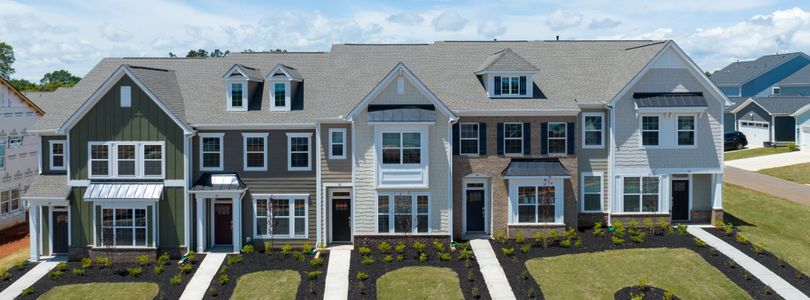
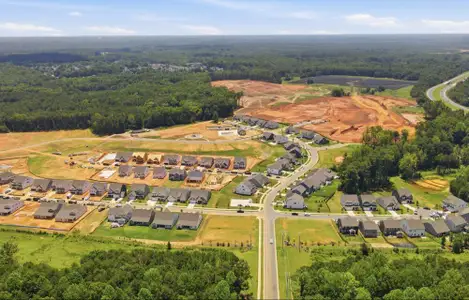
The new construction market in Gaston County is expanding rapidly as buyers seek alternatives to the higher price points of neighboring Mecklenburg County. Much of the current homebuilding activity in Gaston County is concentrated in master-planned developments that utilize available land near major transit arteries. This growth is fueled by regional demand for modern housing and the expansion of local infrastructure to support increasing density.
Regional Value & Lifestyle
Homebuyers often find greater purchasing power here, with lower property taxes compared to the urban core of the metro area. Given the humid subtropical climate, many modern builds prioritize energy-efficient cooling systems and advanced insulation to manage summer utility costs effectively. This combination of financial value and access to outdoor recreation makes the region a primary target for long-term investment.