
New construction homes for sale in Raleigh, NC
620 homes
Deal spotlight: real Jome success stories

Ana V.
First-time buyer with $500 down
We went from renting a crumbling home to owning a 4-bed with $500 down — Jome made it possible.
Bought with Jome - July 2025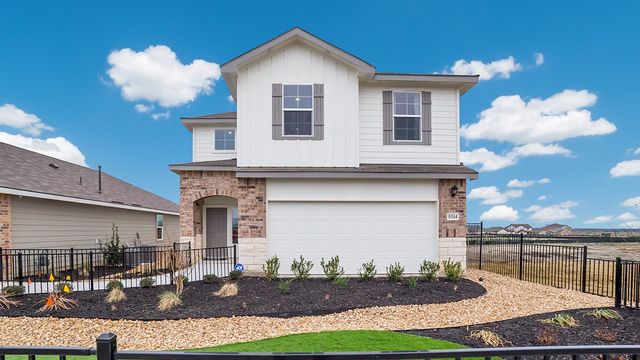
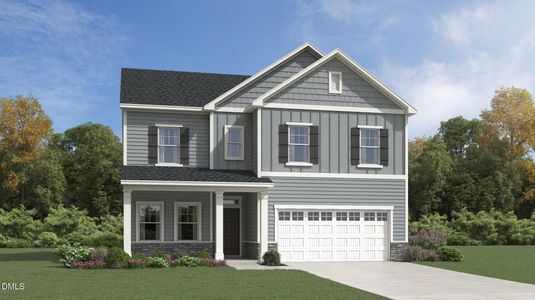
Avenida by D.R. Horton
- 4 bd
- 2 ba
- 2 stories
- 1,891 sqft
Savings breakdown
Monthly payment
$1,679/mo$2,384/moSaved $705/moCash to close
$10,500$18,500Saved $8,000🔥 Deal worth: $16,640
Includes: lowered monthly investment, closing cost reduction
Why this home is a match:
- 4 bedrooms
- Modern finishes
- Open layout
- Family-friendly area
We'll match you to similar homes
Rachel P.
Turned down twice. Now a proud homeowner — with nothing due at closing!
I fixed my credit, worked with Jome, and got my home with $850 down — no closing costs.
Bought with Jome - July 2025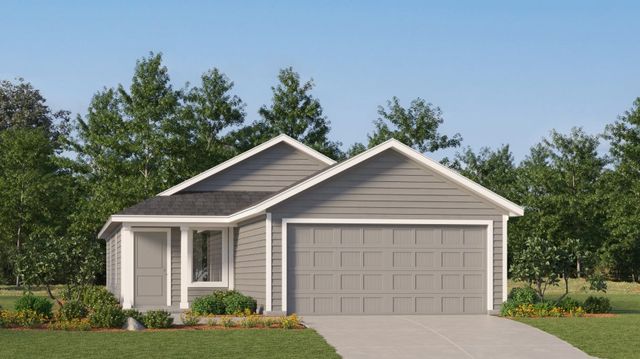
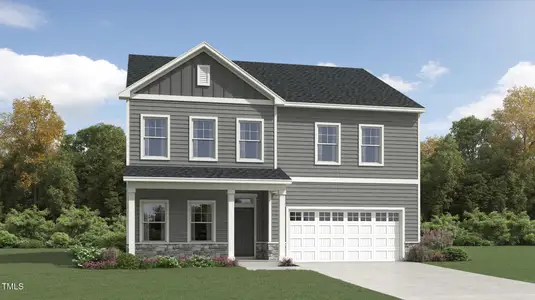
Landon Ridge by Lennar
- 3 bd
- 2 ba
- 1 story
- 1,266 sqft
Savings breakdown
Monthly payment
$1,600/mo$2,047/moSaved $447/moCash to close
$850$12,350Saved $11,500🔥 Deal worth: $20,514
Includes: lowered monthly investment, closing cost reduction
Why this home is a match:
- Affordable
- Manageable payments
- Fresh start
- Smart Layout
We'll match you to similar homes

Ankit S.
Locked in 3.99% — now paying what they did in rent
With Jome's help, we locked in 3.99% and now own a home for the same monthly payment as our rent.
Bought with Jome - July 2025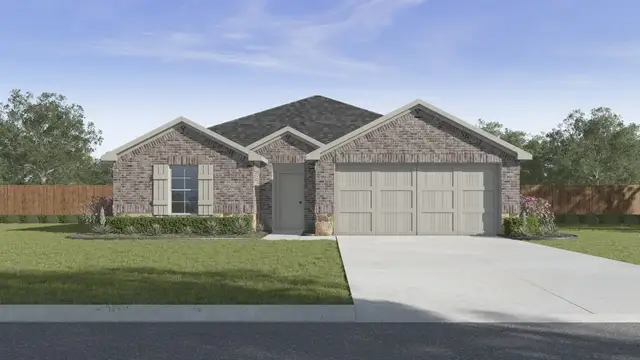
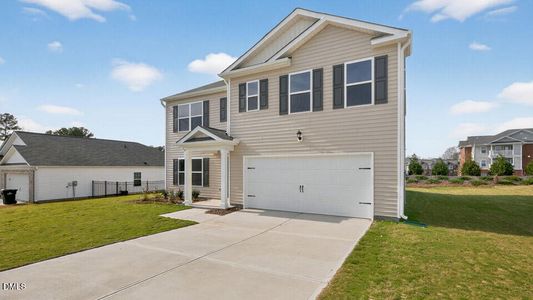
Frontier Pointe by D.R. Horton
- 2 bd
- 2 ba
- 1 story
- 1,123 sqft
Savings breakdown
Monthly payment
$1,553/mo$2,364/moSaved $811/moCash to close
$6,633$18,720Saved $12,087🔥 Deal worth: $21,819
Includes: blinds, refrigerator, gutters, garage door opener
Why this home is a match:
- 3.99% interest
- Modern Kitchen
- Energy Efficient
- Extras included free
We'll match you to similar homes
 How much home can you afford?Get a quick estimate of how much you can afford based on common lender's approval criteria.

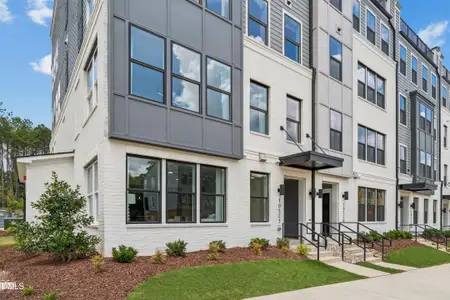
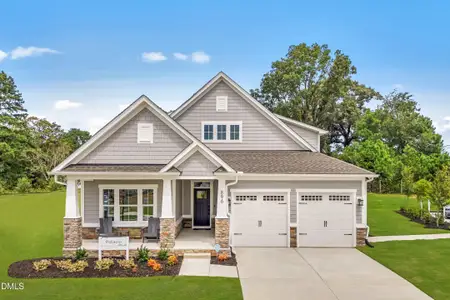
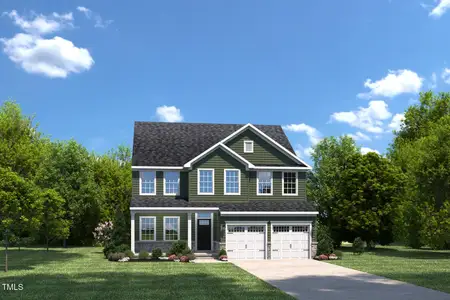
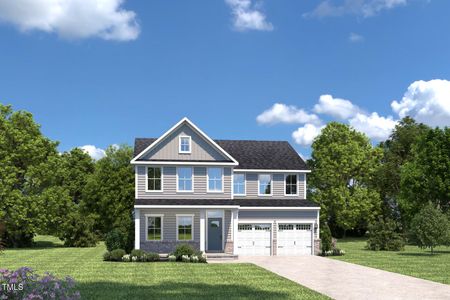
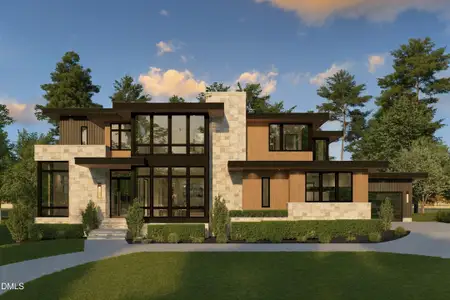
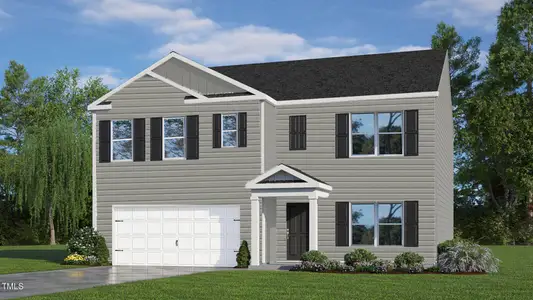
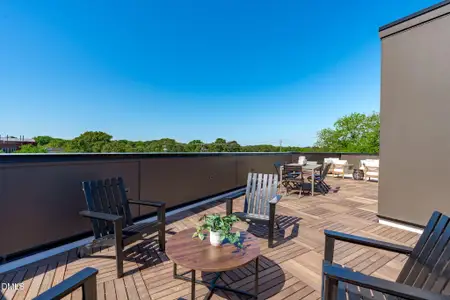
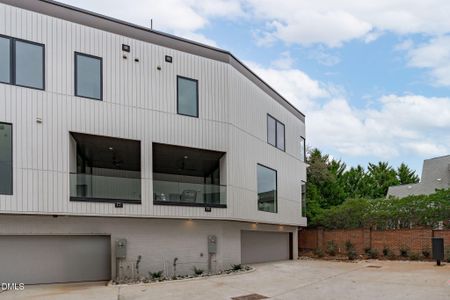
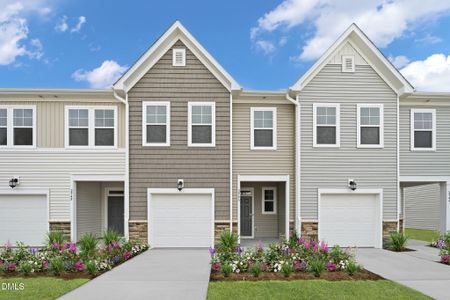
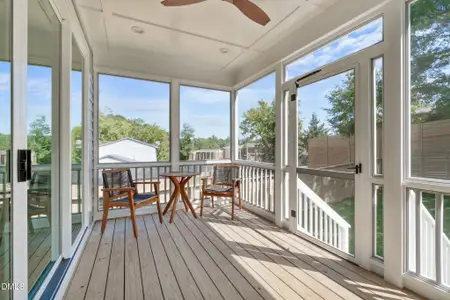
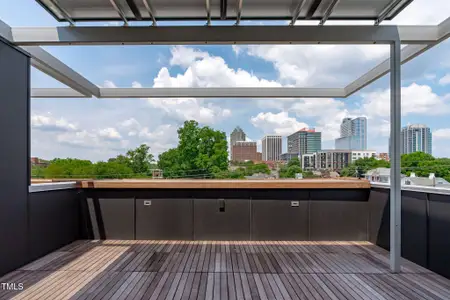
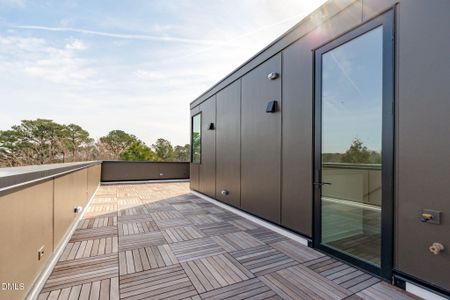
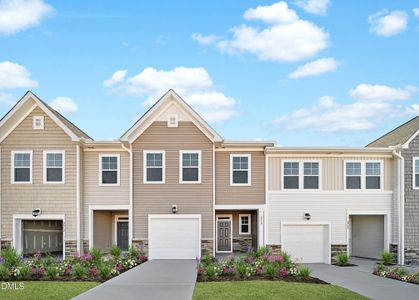
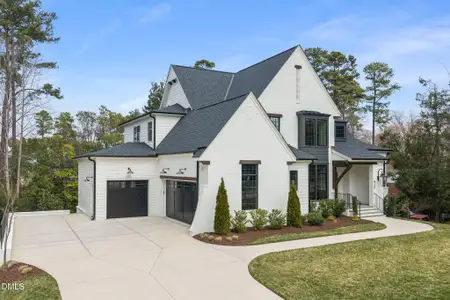
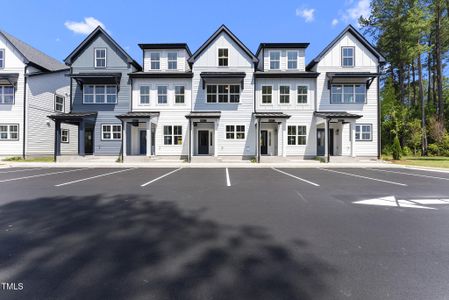
New home communities in Raleigh, NC
56 communities




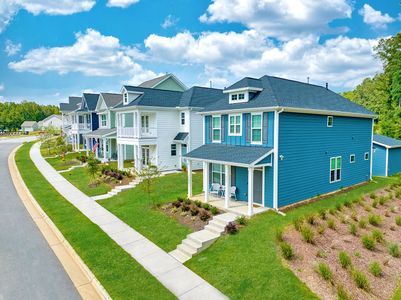

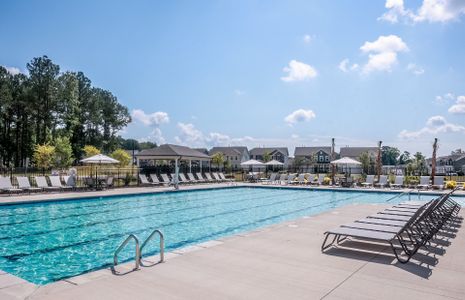


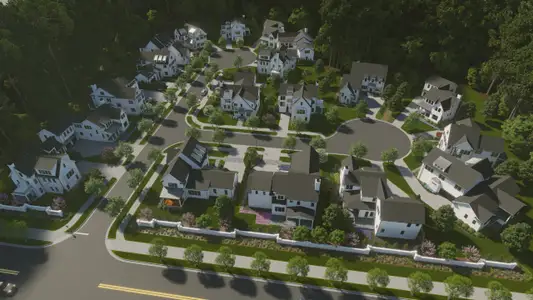


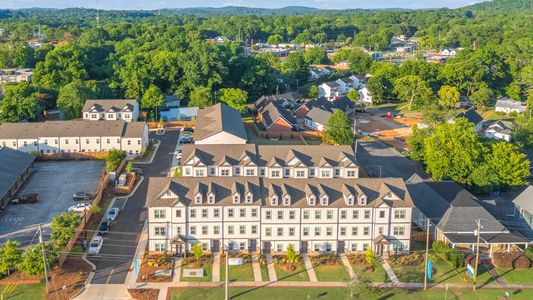


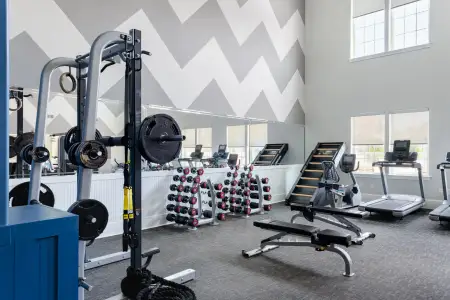

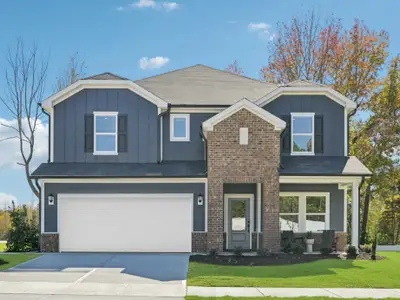


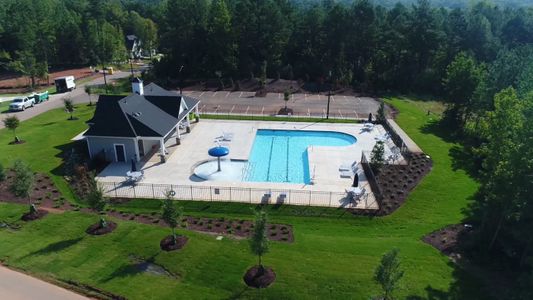


Recently Added Communities in Raleigh, NC
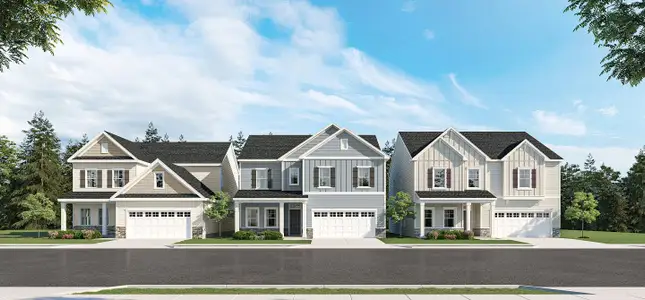


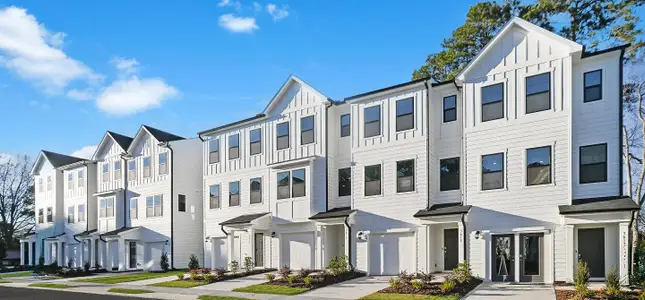
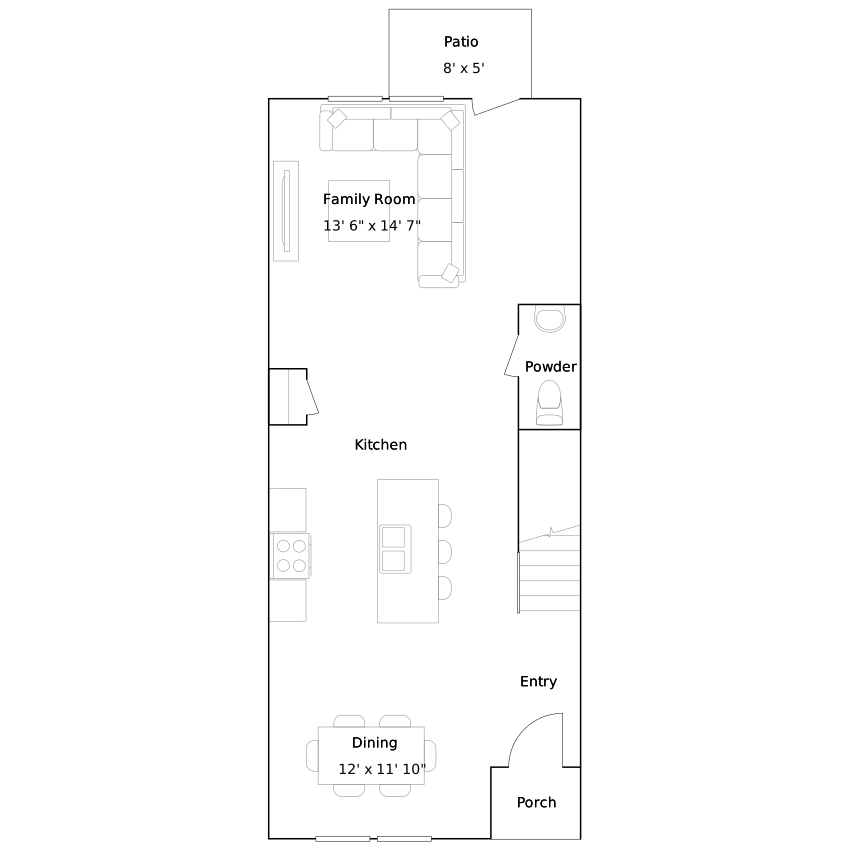


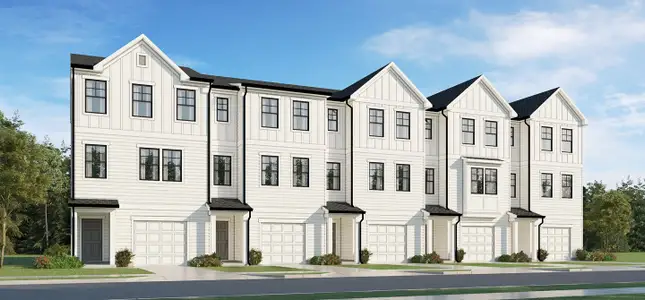

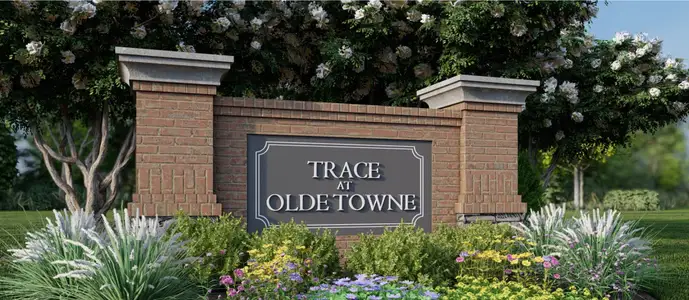


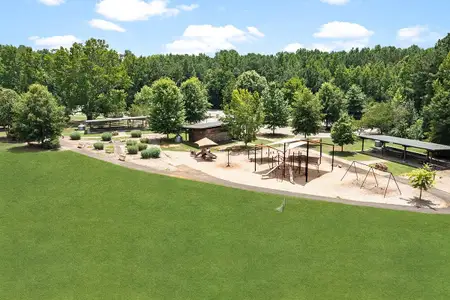


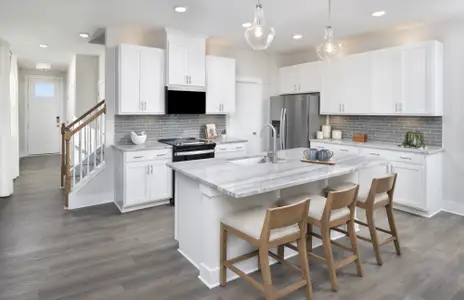


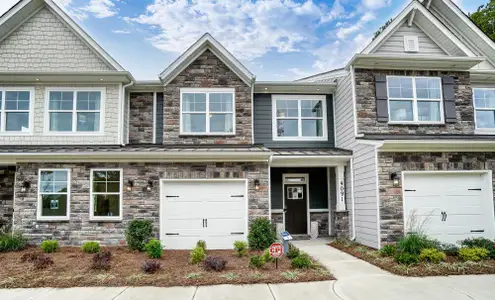


Popular Communities in Raleigh, NC
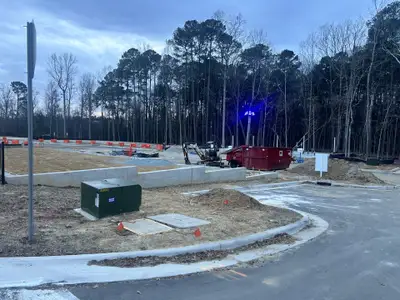
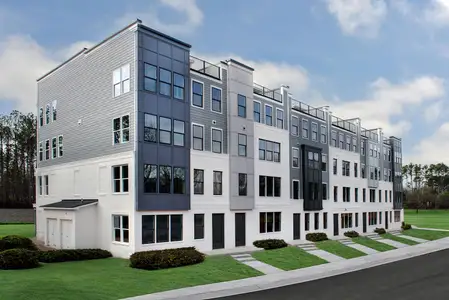


Housing market in Raleigh, NC
- StateNorth Carolina
- MarketRaleigh-Durham Area
- Neighborhoods18
- Communities53
- Single family328
- Townhouses190
- Multi family11
- Condominiums61
- Active builders48
- Starting price$271,545
- Median price$680,000
- Price per square foot$302
Real estate price trends
Home price data reflects 620 listings in Raleigh, NC, sourced from Jome and updated regularly
*Based on Jome markets
What it's like to live in Raleigh?
The Local Vibe (Location & Identity)
Raleigh serves as the capital of North Carolina and the primary employment hub for Wake County. With a population approaching 480,000, the city maintains a professional atmosphere driven by state government and a massive tech presence. Its demographic profile leans toward young professionals and established families, many of whom commute daily to the nearby Research Triangle Park.
Living Here: Amenities & Lifestyle
Residents often spend weekends exploring the expansive trails at William B. Umstead State Park or visiting the North Carolina Museum of Art’s outdoor gallery. For shopping and dining, North Hills provides a dense urban experience, while Glenwood South caters to those seeking evening entertainment. Families frequently gather at Pullen Park for its historic carousel and train rides. Navigating the city is streamlined by the I-440 Beltline, though peak-hour traffic toward Durham or Cary is a standard consideration for locals. Finding new home communities in Raleigh allows buyers to settle near these established hubs while avoiding the maintenance of the city's older mid-century housing stock.
Schools & Family Appeal
The Wake County Public School System serves the area, offering a diverse range of magnet and charter programs that draw families to the region. Highly-regarded campuses like Enloe Magnet High School and various specialized elementary schools provide robust educational pathways. This focus on academic variety remains a primary driver for the city's consistent residential growth.
Why New Construction Makes Sense Here
Much of the existing inventory in central Raleigh dates back to the 1960s and 70s, often requiring significant capital for HVAC and insulation upgrades to handle the humid subtropical climate. Investing in new construction homes in Raleigh can lead to estimated utility savings of $150-250 per month compared to a 1990s-era home of similar square footage, per regional energy efficiency standards. Many builders also offer interest rate buy-downs that can lower monthly mortgage payments more effectively than negotiating on an older resale property. For those on a tight timeline, quick move-in homes in Raleigh provide these modern efficiencies without the wait of a traditional build cycle. These financial advantages, combined with the lack of immediate roof or plumbing repairs, offer a predictable cost of ownership that older homes in the area rarely match.
Frequently Asked Questions (FAQs)
What is the current median sale price for a property in Raleigh, NC?
The Raleigh, NC boasts a median sale price of $509,990 for properties, according to data from February 2026. This price point reflects the current market of 634 new construction homes, brought to you by 47 reputable developers.
Who are the major developers of new construction homes in Raleigh, NC?
Raleigh, NC's real estate market offers many new construction options, with Lennar, Stanley Martin Homes, Pulte Homes, KB Home and D.R. Horton as the main developers. These builders create communities suited to modern living.
Where are the most active areas for new construction homes in Raleigh?
Because central Raleigh is largely built out, the highest volume of new construction is located in the outer corridors. Southeast Raleigh offers significant inventory and generally more attainable price points for single-family homes. In the Northwest near Brier Creek, buyers will find a mix of luxury townhomes and master-planned communities. Inside the I-440 Beltline, new home inventory is primarily limited to high-density townhomes or custom infill projects replacing older structures.
How are property taxes calculated for new homes in Raleigh?
Property taxes in this area depend on your exact jurisdiction. If your new home is located within the City of Raleigh limits, you will pay both city and Wake County property taxes, which fund municipal services like trash collection and police. However, some new subdivisions with a Raleigh postal address are actually located in unincorporated Wake County, meaning they only pay the county tax rate and a local fire district fee. You should always verify the specific tax jurisdiction with the builder to accurately estimate your monthly payments.
How does living in Raleigh impact commuting to major tech employers?
Raleigh is a primary residential hub for professionals working in the Research Triangle Park (RTP) and downtown corporate offices. Commuting relies heavily on the I-440 Beltline and the I-540 Outer Loop. Residents in North and Northwest Raleigh enjoy the shortest drives to RTP, often under 25 minutes. For those working in downtown Raleigh, neighborhoods in the southern and eastern sectors provide direct access via I-40 and local arteries. Buyers should test their specific route during rush hour, as traffic volume is consistently heavy.